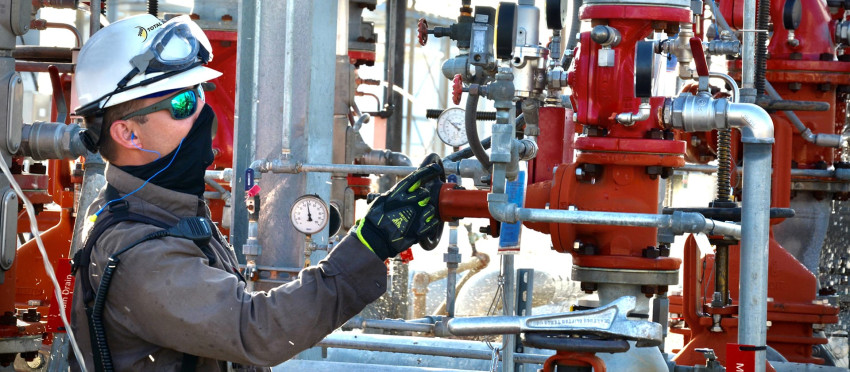
Protection of homes, businesses, and common areas from the effects of fire is paramount in today’s world which makes safety measures and precautions important. There may be serious property loss and injuries and sometimes lives may even be lost through fire incidents. To avoid such risks, the following are very important also; having the best fire protection system in place. But, such systems are only as good as the installation, which can only be done by certified personnel. Now let’s why expert fire system installation is essential for your safety.
Regulations and standards governing the identification of diseases and the provision of patient treatment:
Fire codes and building laws are rigid and in-existent which is also the case with most other states. These guidelines are set to contain optimum risks and serve as dynamic that are reviewed from time to time to reflect change in technologies and practices. Professional installers of fire system are conversant with these legal requirements for fire protection and guarantee that every part of a fire system meets the law in the local, state and country. Legal consequences include fines if the requirements of a plan are not met, problems with insurance policies in the event of a fire, and higher risk in the case of a fire.
Comprehensive Risk Assessment
In actual installations, professional installers first assess the risks in the premises being protected in order to install a fire system. They analyze parameters of the particular building, including occupancy class, structural configuration, combustibility factors, and infrastructure value. This integrated methodology guarantees that the fire protection system has been properly designed to counter the particular characteristics of the environment and hence gives more protection.
They say that having appropriate tools and putting them at the right place is not a small matter either:
Fire protection: system dependability and reliability, including choice of the elements, as well as the fire alarms, sprinkler heads, smoke detectors, and extinguishers’ proper placement. Professional technicians understand the type of equipment suited for installation as well as areas that may require most functionality from these systems. Misplacement and installation of low quality equipment cause inefficient protection leading to risk of fires and therefore safety of property and human life is compromised.
Interoperability / Interface with Other Safety Systems
In the contemporary construction structures there are tendencies to bring in the coordination in the fire protection system with other aspects like security system, emergency lighting, HVAC control. For proper connection, expert installers make sure that all the equipment is well integrated, hence improving the safety and operation of a system. For example, on detection of fire, doors can be unlocked thus allowing people to exit, while ventilation can be closed to prevent the fire spread and people can be directed to the safest place.
System Reliability and Maintenance
Finally, it must be said that a fire protection system is effective only inasmuch as the maintenance schedule is punctilious. There are professional installers who guide on the maintenance processes of the equipment and the level of support offered to guarantee the correct functioning of the equipment. Segment monitoring, verification, and maintenance areimportant to ascertain and prevent any challenges that may hinder the system working. The major advantage of this type of prevention is that it minimises chances of system failure during the actual fire disaster.
Minimizing False Alarms
Sometimes people will hear the fire alarm sound at a false signal and hence he or she will be forced to evacuate from the building and this will cause him or her not to have trust in the fire system again. Technically proper installation eliminates the chance of false alarms sincedetectors and alarms are properly calibrated and sited. This accuracy minimizes the presence of unwanted or false alarms, guaranteeing that the system functions solely as a fire alerting system.
Enhanced Safety for Occupants
First amongst these objectives is the preservation of the lives that are contained in a specific building. It is due to constant training that expert installers are equipped to predict different types of fires and create a configuration of systems that will offer the ideal response. This includes; early identification, efficient control and proper labeling of escape routes which are very vital to reduce and eliminate losses such as injuries or death.
Insurance and Liability Benefits
Insurance companies often require proof of professionally installed and maintained fire protection systems before issuing or renewing policies. Proper installation by experts can also lead to lower insurance premiums, as it demonstrates a commitment to safety and reduces the risk of severe fire damage. Additionally, in the event of a fire, having a certified system can protect property owners from liability issues related to negligence.