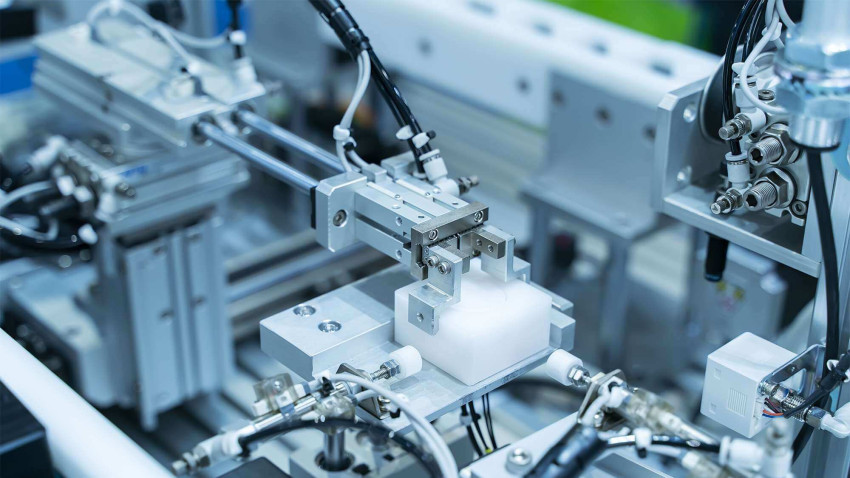
Electromechanical refurbishment plays a pivotal role in extending the lifespan of machinery, reducing waste, and promoting sustainable operations across industries. In this article, we will explore the significance of electromechanical refurbishment and its various aspects, including benefits, processes, and environmental impact.
The Importance of Electromechanical Refurbishment
1. Extending the Lifespan
Electromechanical refurbishment breathes new life into aging machinery, allowing companies to maximize their investments by extending the lifespan of critical equipment.
2. Cost-Effective Alternative
Refurbishing machinery is often more cost-effective than purchasing new equipment, making it an attractive option for businesses aiming to control operational expenses.
3. Reducing Environmental Footprint
By refurbishing and reusing machinery, companies reduce the demand for new manufacturing processes and the associated environmental impact, contributing to sustainability goals.
The Electromechanical Refurbishment Process
1. Assessment and Evaluation
The process begins with a comprehensive assessment of the machinery's current condition. Engineers and technicians identify areas requiring refurbishment or replacement.
2. Disassembly and Cleaning
The machinery is carefully disassembled, and components are thoroughly cleaned to remove accumulated dirt, grease, and contaminants.
3. Component Refurbishment
Worn or damaged components are refurbished or replaced with high-quality, precision-engineered parts to ensure optimal performance.
4. Reassembly and Testing
After refurbishment, the machinery is reassembled and subjected to rigorous testing to ensure it meets or exceeds original performance specifications.
Environmental Benefits
1. Resource Conservation
Electromechanical refurbishment conserves valuable resources by reducing the need for manufacturing new machinery, thus lowering the demand for raw materials.
2. Waste Reduction
By refurbishing machinery, businesses minimize the generation of electronic waste (e-waste) and reduce the environmental burden of disposal.
3. Energy Efficiency
Refurbished machinery is often more energy-efficient, helping companies reduce energy consumption and lower their carbon footprint.
Case Studies in Electromechanical Refurbishment
1. The Printing Industry
Explore how a printing company extended the life of its printing presses through electromechanical refurbishment, saving both costs and environmental resources.
2. Manufacturing Robotics
Discover how a manufacturer revamped its robotic production line, improving efficiency and reducing the need for new equipment.
Embracing Sustainable Operations
1. Corporate Responsibility
Sustainability initiatives, including electromechanical refurbishment, align with corporate social responsibility goals, demonstrating a commitment to environmental stewardship.
2. Long-Term Sustainability
By incorporating refurbishment into their operations, companies contribute to long-term sustainability by minimizing their ecological impact and supporting a circular economy.
Conclusion
Electromechanical refurbishment stands as a sustainable solution to extend the life of machinery, reduce waste, and support environmentally responsible operations. Its multifaceted benefits, including cost-effectiveness, resource conservation, and energy efficiency, make it an integral part of sustainability strategies for industries worldwide. By preserving assets through refurbishment, companies not only reduce their environmental footprint but also position themselves as responsible and forward-thinking contributors to a more sustainable future.