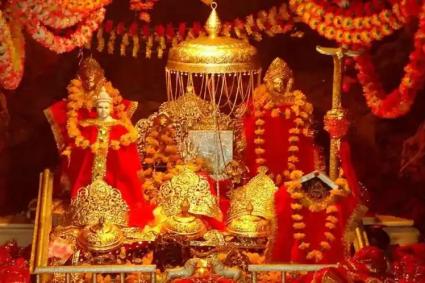
Nestled in the pristine Himalayan region of Uttarakhand, the Kedarnath trek is a pilgrimage and adventure seekers' paradise. This trek takes you to the sacred Kedarnath Temple, one of the Char Dhams (four sacred abodes) of Hinduism, dedicated to Lord Shiva. The journey offers not only spiritual solace but also a chance to immerse yourself in the breathtaking natural beauty of the Garhwal region. In this comprehensive guide, we will delve into the details of the Kedarnath trek, providing you with all the information you need to embark on this unforgettable journey.
Preparing for the Trek
A. Best Time to Visit:
The best time to undertake the Kedarnath trek is from May to June and September to October. During these months, the weather is relatively pleasant, with clear skies and moderate temperatures. The monsoon season (July and August) should be avoided due to heavy rainfall and the risk of landslides.
B. Permits and Documentation:
You will need permits to enter the Kedarnath Wildlife Sanctuary, which can be obtained at the Forest Department check post in Gaurikund. Ensure you have all necessary identification and travel documents.
C. Physical Fitness and Training:
This trek involves moderate to strenuous levels of physical exertion, so it's essential to prepare yourself physically. Cardiovascular exercises, strength training, and endurance workouts will help you build the necessary fitness.
D. Packing Essentials:
Pack warm clothing, a raincoat, trekking shoes, a backpack, and essential toiletries. Don't forget to carry a valid ID proof, a map, and a power bank for your devices.
E. Hiring a Guide and Porter:
Hiring a local guide is highly recommended, as they are well-versed with the terrain and can assist in emergencies. Porters can help carry your luggage, making the trek less challenging.
Route and Itinerary
A. Starting Point: Gaurikund
The trek starts from Gaurikund, which is accessible by road from Rishikesh and Haridwar. You can also reach Gaurikund by taking a train to Dehradun and then a shared taxi or bus.
B. Day-wise Trek Plan:
Day 1: Gaurikund to Kedarnath (approximately 16-18 km)
Day 2: Explore Kedarnath Temple and acclimatize
Day 3: Return trek to Gaurikund
C. Enroute Attractions:
Rambara: A picturesque hamlet known for its hot water springs.
Gandhi Sarovar: A pristine glacial lake en route to Kedarnath.
Bhairavnath Temple: A shrine dedicated to Lord Bhairav.
D. Acclimatization Stops:
Take a day to acclimatize at Kedarnath to prevent altitude sickness. Visit the Kedarnath Temple and spend time in meditation or prayer.
E. Kedarnath Temple:
The Kedarnath Temple is the ultimate destination of the trek, perched at an elevation of 3,583 meters. It is one of the holiest Hindu shrines and an architectural marvel.
Accommodation Options
A. Budget Tents and Guesthouses:
Basic accommodation options are available in Gaurikund and Kedarnath at affordable rates. These include simple tents and guesthouses with shared facilities.
B. Mid-range Hotels and Lodges:
There are mid-range hotels and lodges in Gaurikund and nearby towns like Rudraprayag and Guptkashi, offering more comfortable stays.
C. Luxury Stays:
For those seeking luxury, there are a few upscale hotels and resorts in the region. These offer modern amenities and stunning views of the surrounding mountains.
D. Camping Options:
Camping enthusiasts can set up their tents at designated camping sites, providing a unique experience amidst nature.
E. Booking in Advance:
During peak pilgrimage seasons, it's advisable to book accommodation in advance to ensure availability.
Food and Water
A. Local Cuisine:
Try local Garhwali dishes like Aloo Ke Gutke, Phaanu, and Gahat Ki Dal at small eateries on the trek. Carry energy bars, nuts, and snacks for the journey.
B. Hydration Tips:
Stay well-hydrated throughout the trek. Carry a reusable water bottle and purification tablets or a filter to purify water from streams.
C. Food Options on the Trek:
There are limited food options on the trek, so plan your meals accordingly. The options may vary depending on the season.
D. Dietary Restrictions:
If you have dietary restrictions or allergies, inform your guide and carry suitable food items with you.
Safety and Health
A. Altitude Sickness Awareness:
Be aware of the symptoms of altitude sickness, such as headache, nausea, and dizziness. Acclimatize properly, stay hydrated, and descend if symptoms worsen.
B. First Aid Kit:
Carry a basic first aid kit, including bandages, antiseptic, pain relievers, and any personal medications.
C. Emergency Contacts:
Save emergency contact numbers of local authorities, medical facilities, and your trekking group. Carry a fully charged phone with a power bank.
D. Travel Insurance:
Purchase travel insurance that covers trekking-related accidents and emergencies.
E. Responsible Trekking:
Follow the Leave No Trace principles, respect local customs, and avoid littering. Dispose of waste responsibly and carry back all non-biodegradable items.
Cultural and Natural Insights
A. Local Customs and Traditions:
Engage with the local communities and learn about their customs and traditions. Respect the sanctity of the Kedarnath Temple.
B. Flora and Fauna:
The trek passes through diverse ecosystems with unique flora and fauna. Keep an eye out for Himalayan wildlife such as musk deer, snow leopards, and various bird species.
C. Geographical Highlights:
Marvel at the breathtaking landscapes, including glaciers, meadows, and pristine rivers, as you ascend towards Kedarnath.
D. Importance of Kedarnath in Hinduism:
Kedarnath Temple is believed to be the place where Lord Shiva absolved himself of the guilt of the Kurukshetra War. It holds immense religious significance for Hindus.
Challenges and Tips
A. Weather Conditions:
Be prepared for sudden weather changes in the mountains. Carry warm clothing, rain gear, and layers to adapt to varying temperatures.
B. Trekking Challenges:
The trek includes steep ascents and descents, rocky paths, and river crossings. Wear appropriate trekking shoes and use trekking poles for stability.
C. Tips for a Successful Trek:
Pace yourself, stay hydrated, and listen to your body. Start early in the day to avoid trekking during the hottest hours. Take regular breaks to rest and enjoy the scenery.
D. Mental Preparedness:
Trekking to Kedarnath can be physically demanding. Mentally prepare yourself for the challenges and focus on the spiritual and natural rewards of the journey.
Conclusion
The Kedarnath trek is a spiritual journey that offers a unique blend of adventure and devotion. It takes you through some of the most awe-inspiring landscapes while connecting you with the divine. Whether you seek spiritual enlightenment or simply wish to explore the Himalayas, this trek promises an unforgettable experience. Plan your trip, prepare well, and embark on a pilgrimage that will leave an indelible mark on your soul. Kedarnath awaits, inviting you to its sacred embrace.
In closing, the Kedarnath trek is a testament to the harmony between nature and spirituality, and it beckons all who are willing to embark on this extraordinary pilgrimage.