

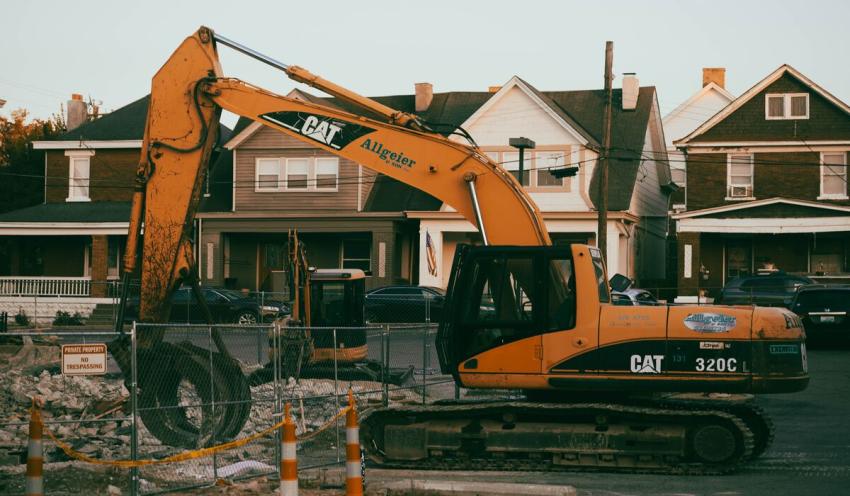
While it might sound like demolishing the old building and erecting the house of your dreams is going to be very exciting indeed, you soon discover that there is going to be a lot more to it than just arriving at the site and starting to smash things up. In case you are planning to demolish an old weatherboard or brick building in the eastern section of Melbourne, your first move should be securing a professional demolition contractor in Dandenong. This isn’t simply about removing the soil from your property; it requires compliance with local laws and regulations and removal of toxic waste before even a single block of concrete can be laid down.
Check their License, Registration, and Insurance
Don't shell out a single penny until they've proven themselves through rigorous credential checks:
- VBA Registration: Any demolition contractors in Victoria must have their registration with the Victorian Building Authority (VBA). Not having the registration means no job done.
- Public Liability: You need to check that the liability cover is at least up to $10 million in case an excavator bucket crashes into the fence or garage of your neighbour.
- WorkCover Insurance: Any accidents are always possible; current worker insurance will keep you from being responsible in case an employee is hurt while working for you.
- Reputation in the Locality: Ask them to provide the addresses of sites where they have done demolition recently.
Checking the Necessary Documents of Greater Dandenong Council
Never accept the contractor’s assurance that “council is sorted.” Always insist on seeing the documents:
- Section 29A Consent: Under Victorian building law, your private building surveyor can't give you the green light on a demolition permit until the City of Greater Dandenong grants a Section 29A Report and Consent.
- Asset Protection Permits: The council always takes into account what happens out there on the road. Hence, you will have to submit an asset protection application and put in a refundable cash bond. This is because it helps ascertain liability in case any damage is caused to footpaths, concrete crossovers, or roadside kerbs due to the delivery floats.
- Overlays and Heritage: Verify whether landscape overlays or municipal tree protection overlays apply to your land parcel.
Deadlines, Dust Removal Methods, and Abolishment
Everyone wants to know: how long it takes to demolish a house?
Well, the heavy machinery part is lightning fast. Once a 20-tonne excavator tracks onto the dirt, the walls usually come down in three to five working days flat. But the real waiting game happens weeks earlier:
- Permanent Abolishment: You can't just call your energy retailer for a final meter read. You have to lodge formal requests with the network distributors to permanently yank the gas (MIRN) and electricity (NMI) connections back from the street mains. Give this step at least 20 business days so you aren't left twiddling your thumbs.
- Keep the Tap Running: While power and gas must be dead, your mains water must stay fully turned on. Crews need constant, high-pressure water hoses spraying down the site to keep dust clouds from blanketing the neighbourhood.
- Temporary Fencing: Victorian work safety rules insist on rigid 1.8-metre chain-link fencing around the entire boundary to keep curious kids and opportunistic trespassers out.
Don’t Compromise on Their Asbestos Removal Methods
Considering the number of houses built before 1990 in Dandenong, the likelihood is high that your house contains asbestos. The material will be found in eaves, beneath bathroom tiles, behind kitchen splashboards and within old vinyl linoleum.
- Testing the Material: Guessing the presence of asbestos through visual inspections is worthless. A pre-demolition hazardous audit by a certified testing laboratory is mandatory.
- Certified Asbestos Removal: Removal of anything larger than 0.3 m2 of non-friable fibro in Victoria has to be done only by licensed asbestos removalists. They are supposed to inform WorkSafe Victoria prior to removal, keep the boards wet to contain any asbestos fibres, encapsulate everything in an airtight, heavy-duty 200-micron-thick plastic bag and transport it to an EPA approved landfill site.
- The Clearance Certificate: After removal of the asbestos sheets, an independent hygienist must inspect the entire floor area and give you a clearance certificate before structural demolition commences.
Salvaging Whatever You Can before the Wrecking Ball Hits
Prior to the arrival of the wrecking ball, try to salvage some of the good materials from the structure. It is not only environmentally responsible to deconstruct and save such materials as hardwood beams, good roofing metal, or brick; it also reduces weight at the dump and reduces your dump fees. Just be sure that there is something on paper to confirm that nothing was dumped in an alley somewhere.
Final Thought:
Ultimately, settling for the cheapest bid often proves to be an age-old mistake, and it will normally result in variations for asbestos removal or approval from council. Choosing professional and experienced demolition services in Dandenong ensures that everything is done correctly on the first attempt, and you are left with a clean space for construction work.