

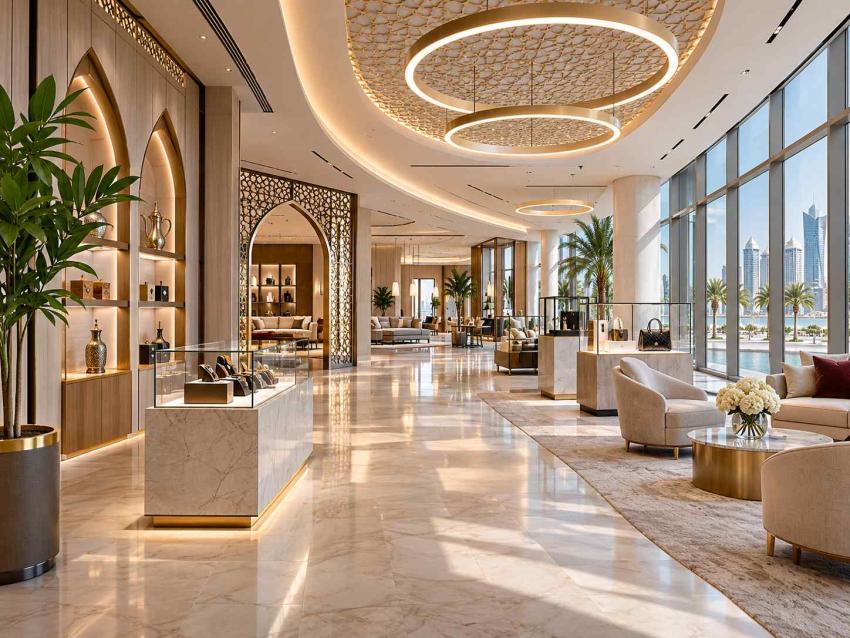
Businesses designing a showroom in Qatar should start with the products they sell, the customers they serve and the way purchases are made. Layout, lighting, display fixtures, durable finishes, brand identity and technical infrastructure all need to support those priorities. Local approvals, landlord conditions, the fit-out budget and future changes also deserve attention before construction begins. A showroom may look impressive in a visualisation but disappoint in practice if customers cannot compare products comfortably or staff struggle to replenish displays. The following considerations help businesses develop a space that works commercially as well as visually.
Define What the Showroom Needs to Achieve
Start by identifying whether visitors typically browse independently, attend appointments or need demonstrations before buying. An automotive showroom needs space around vehicles, clear sightlines and comfortable consultation areas. A jewellery boutique may prioritise secure display cases and close-up viewing, while an electronics retailer needs working demonstration units with accessible power and connectivity.
Prepare a brief covering product dimensions, expected visitor numbers, staff requirements and brand positioning. This helps designers allocate floor space according to actual business needs rather than simply filling the available area with merchandise.
Plan Customer Circulation and Display Zones
Consider how someone moves from the entrance to the main displays, consultation desks and checkout. Keep routes intuitive and accessible, allowing customers to pause without obstructing others. Locate service counters where staff can assist visitors while maintaining clear circulation. Plan stockroom access so deliveries and replenishment interfere as little as possible with customer activity.
For example, imagine a furniture retailer opening a showroom in Doha. Grouping furniture into room settings can help visitors judge scale and combinations, while a dedicated consultation desk accommodates discussions about finishes and delivery. Reserving space for new collections avoids the need to rebuild fixed displays whenever the range changes.
Make Products Easy to See and Compare
Visual merchandising is the arrangement of products to support browsing, understanding and comparison. Place priority collections where visitors can see them clearly, and use display heights suited to the merchandise. A fashion showroom may benefit from adjustable rails and shelving, whereas an appliance showroom may require sturdy platforms and connections for demonstrations.
Custom joinery should accommodate product weight, cable access and routine cleaning. Where collections change regularly, adjustable shelving or replaceable display panels offer greater flexibility than permanently built units. Review fixture drawings against actual product dimensions before fabrication. Check that staff can reach shelves safely when restocking.
Choose Lighting Around the Merchandise
Combine ambient lighting for general visibility, accent lighting to highlight selected products and task lighting for consultation or demonstration areas. Evaluate colour rendering, which describes how faithfully a light source reveals colours. Fabric swatches, upholstery and paint samples should appear reasonably consistent under the proposed lighting.
Reflective vehicle finishes, jewellery cases and television screens require particular attention to glare. In Qatar, strong daylight through glazed shopfronts can also affect visibility and cooling demand. Coordinate shading, window treatments and adjustable lighting with the façade design, and test representative products under sample fittings before approving the scheme.
Select Materials for Daily Use in Qatar
Choose finishes according to traffic, maintenance needs and exposure rather than appearance alone. Entrance flooring should tolerate tracked-in dust and regular cleaning, while display counters need surfaces appropriate for repeated product handling. Commercial-grade porcelain tiles, suitable laminates and durable upholstery are options worth assessing against the intended use.
Sunlight near large windows may cause some finishes to fade or deteriorate. Check manufacturers’ suitability and maintenance guidance, and review slip resistance where relevant. Consider access to replacement materials as well. A finish that is inexpensive initially may prove costly if damaged sections are difficult to repair without closing part of the showroom.
Translate Brand Identity Into the Interior
A showroom should communicate the brand through its signage, colour palette, furniture, finishes and presentation style. A premium furniture gallery might favour uncluttered displays and quieter consultation areas, while a value-focused retailer may prioritise clear product categories and visible pricing.
Use brand colours selectively so they do not compete with the merchandise. Plan digital screens and signage around viewing angles, electrical connections and maintenance access. Consistency across these elements matters more than adding decorative features that contribute little to the customer's experience.
Check Technical and Local Approval Requirements
Before finalising the layout, assess existing electrical capacity, air-conditioning, ventilation and data connections. Display lighting and working appliances can introduce additional electrical and cooling loads. Coordinate mechanical, electrical and plumbing (MEP) services with ceiling details and joinery so maintenance points remain accessible.
Qatar’s Single Window licensing guidance identifies site readiness and activity-specific requirements as considerations in commercial permitting. Qatar Civil Defence also reviews safety measures and engineering drawings. Confirm the applicable approvals with the relevant authorities, landlord and appointed consultants before work begins. Requirements depend on the premises, business activity and alterations proposed. Keep emergency routes unobstructed and coordinate changes to fire protection systems with qualified specialists.
Set a Realistic Budget and Programme
Request an itemised estimate covering design, finishes, display fabrication, technical installations and site works. Separate essential operational requirements from optional decorative upgrades. Allow a contingency for unforeseen site conditions and agree how changes will be priced before approving additional work.
Set procurement milestones for custom fixtures and imported materials, and coordinate installation with testing and inspections. In shopping malls, confirm permitted working hours, delivery arrangements and tenant fit-out rules. These restrictions can affect the programme even when design decisions are complete. Include future display changes and maintenance costs in the investment assessment.
Involve Fit-Out Specialists Before Construction
Consult an interior fit out company in Qatar while the layout is still being developed, so site conditions, fixture drawings, technical services and construction sequencing can be reviewed together. Artisans Interiors provides commercial interior design, fit-out and joinery services that can support this coordination.
Before handover, arrange a walkthrough to check finishes, display operation, lighting and outstanding defects. Obtain relevant maintenance instructions, warranties and updated technical drawings as agreed in the contract.
Design for Opening Day and Beyond
The strongest showroom design decisions begin with a clear understanding of how customers and staff will use the space. Prioritise comfortable circulation, appropriate lighting, durable finishes and product displays that can evolve with the business. Resolve technical requirements and applicable approvals before committing to fabrication, and establish a realistic budget that accounts for future maintenance. With these decisions documented early, businesses in Qatar can approach their showroom fit-out with a clearer brief and fewer avoidable compromises.