

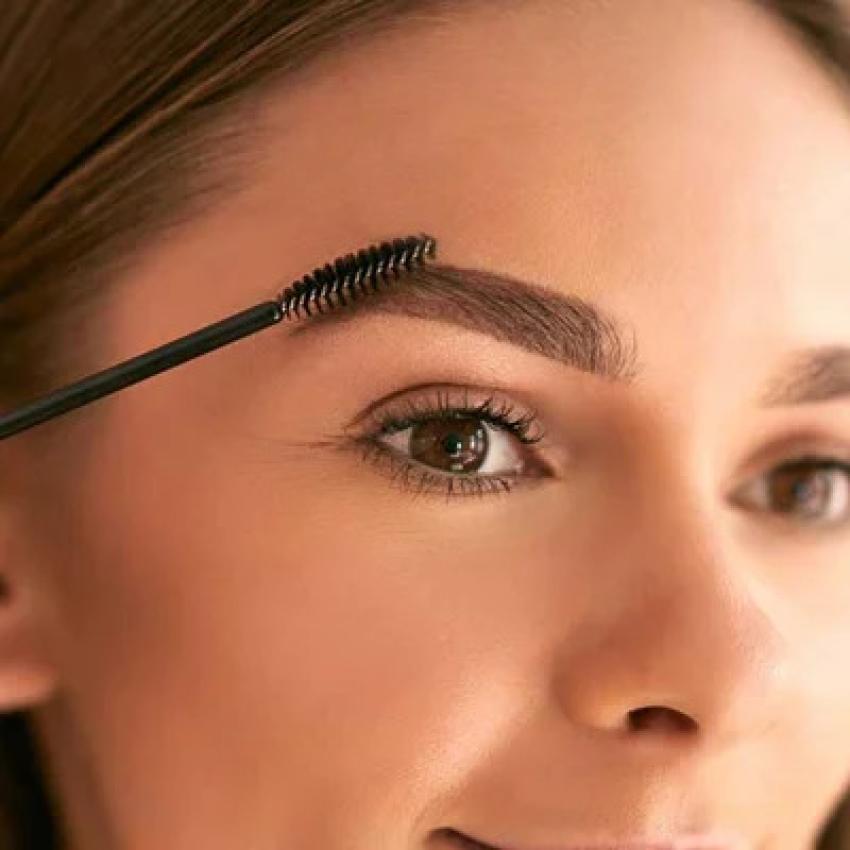
Eyebrows are an important facial feature that contributes to facial balance, expression, and overall appearance. Their thickness, shape, colour, and natural growth patterns vary significantly from person to person. While grooming habits and environmental factors can influence eyebrow appearance, genetics plays a major role in determining how eyebrows naturally develop.
Some individuals naturally have thick, dense eyebrows, while others have finer or thinner hair with a different arch and growth pattern. These differences are often inherited from parents and other family members. Understanding the relationship between genetics and eyebrow characteristics can help explain why people have different eyebrow appearances and why some experience natural eyebrow thinning.
For individuals interested in improving eyebrow density or restoring lost hair, understanding these genetic influences can also help establish realistic expectations about available treatment options.
1. Genetics Determines Natural Eyebrow Thickness
One of the most noticeable characteristics influenced by genetics is eyebrow thickness. Hair follicle development, hair density, and individual hair characteristics are influenced by multiple inherited genetic factors.
Some people naturally develop thick eyebrows because their follicles produce relatively dense and prominent hair. Others may inherit characteristics associated with finer hair and naturally sparse eyebrows.
These differences are normal and do not necessarily indicate a medical problem.
Genetics can also influence how many hair follicles develop within the eyebrow region. Although grooming and other external factors may change the appearance of eyebrows, they cannot always overcome naturally determined differences in follicle distribution.
2. Inherited Traits Influence Eyebrow Shape
Eyebrow shape is another characteristic influenced by inherited features. Some individuals naturally have straight eyebrows, while others develop rounded, curved, or more pronounced arches.
These variations are associated with several factors, including facial anatomy, brow bone structure, and inherited hair growth patterns.
Family resemblance can sometimes be noticeable in eyebrow appearance. Children may share similar eyebrow thickness, arch positioning, or overall shape with their parents.
However, eyebrow shape is not controlled by a single gene. Multiple genetic influences interact with facial development to produce individual characteristics.
3. Genetics Influences Hair Growth Patterns
The direction and distribution of eyebrow hair can also vary between individuals.
Some people have eyebrows with upward-growing hair near the inner corners, while others have more noticeable outward or downward growth patterns. The arrangement of hair follicles contributes to these differences.
Genetic factors influence follicle characteristics and hair development, helping determine the natural growth pattern of the eyebrows.
These characteristics are particularly important when considering eyebrow restoration. Specialists need to understand existing growth patterns to ensure that any transplanted follicles follow an appropriate direction and blend with surrounding hair.
4. Hair Texture and Thickness Can Be Inherited
Hair texture is another inherited characteristic that affects how eyebrows look.
Some individuals naturally have coarse, thick eyebrow hairs, while others have finer and softer strands. These differences influence the overall appearance and visual density of the eyebrows.
Hair shaft thickness, follicle characteristics, and the natural growth cycle contribute to these variations.
Genetics can also influence eyebrow colour and pigmentation, which affects how prominent the eyebrows appear against the surrounding skin.
When planning eyebrow restoration, specialists consider donor hair characteristics because the texture of transplanted hair can influence the final appearance.
5. Family History Can Reveal Natural Eyebrow Characteristics
Observing eyebrow characteristics among family members can provide useful information about inherited patterns.
For example, individuals whose parents have naturally thin eyebrows may also develop similar characteristics. Likewise, certain eyebrow shapes and hair textures may appear across multiple generations.
However, family history does not guarantee that someone will have exactly the same eyebrow appearance as their relatives.
Genetic inheritance involves combinations of traits from both parents, and individual differences can occur even within the same family.
Family history can also help identify patterns of hereditary hair loss, although a professional assessment is necessary to determine the underlying cause of eyebrow thinning.
6. Genetics Can Influence Age-Related Eyebrow Changes
Although ageing affects everyone differently, genetics can influence how hair characteristics change over time.
Some individuals maintain relatively consistent eyebrow density as they grow older, while others experience gradual thinning or changes in hair texture.
The hair growth cycle may also change with age. Individual follicles can produce finer or shorter hairs, contributing to reduced eyebrow coverage.
Inherited factors may influence susceptibility to these changes, but hormonal variations, medical conditions, nutritional factors, and other environmental influences can also contribute.
Therefore, not every case of eyebrow thinning should automatically be attributed to genetics.
7. Genetics and Hormones Work Together
Hormones play an important role in regulating hair growth and follicle activity. Genetic factors can influence how individual follicles respond to hormonal signals.
Changes in thyroid hormone levels, for example, may contribute to eyebrow thinning in some individuals. Other hormonal changes can also affect hair growth patterns.
In certain cases, hereditary characteristics may influence susceptibility to particular types of hair loss.
Understanding this relationship is important because eyebrow thinning may sometimes indicate an underlying health concern rather than simply being an inherited cosmetic characteristic.
Individuals experiencing sudden, unexplained, or progressive eyebrow hair loss should consider seeking medical evaluation before exploring cosmetic restoration.
8. Can Genetics Affect Eyebrow Restoration Results?
Genetics can influence the characteristics of existing eyebrow hair and the quality of donor hair available for transplantation.
For example, an individual with naturally fine hair may require a different restoration approach from someone with thicker donor hair.
Specialists also evaluate the natural eyebrow shape, follicle distribution, skin condition, and facial proportions before recommending treatment.
Although transplantation can introduce healthy hair follicles into areas with insufficient growth, it cannot completely change every genetically determined characteristic.
The objective is to achieve a suitable appearance that complements the individual's natural features rather than creating an entirely different eyebrow structure.
9. How Can Eyebrow Restoration Address Genetically Thin Brows?
Individuals who have naturally sparse eyebrows due to inherited characteristics may consider different cosmetic approaches depending on their goals.
Temporary options include eyebrow pencils, powders, gels, and tinting. These treatments can improve definition without introducing new hair growth.
For individuals seeking actual hair restoration, an eyebrow transplant may be an option if they have suitable donor hair and meet the necessary medical criteria.
The procedure generally involves extracting healthy hair follicles, usually from the scalp, and implanting them into areas where eyebrow density is insufficient.
Careful placement is important because transplanted follicles need to follow the natural direction and angle of eyebrow hair.
Transplanted scalp hair may also grow longer than natural eyebrow hair, meaning regular trimming and grooming can be necessary.
10. Why Is Personalised Assessment Important?
Since genetics, facial anatomy, and hair characteristics differ between individuals, eyebrow restoration should be approached through personalised treatment planning.
A specialist evaluates existing eyebrow density, hair texture, donor hair availability, and the individual's preferred shape before recommending an appropriate approach.
At AATRAS AE, individual aesthetic considerations are important when exploring cosmetic treatments. A professional assessment can help determine whether eyebrow thinning is related to inherited characteristics or another underlying factor.
It also helps establish realistic expectations regarding potential treatment outcomes, recovery, and long-term maintenance.
Conclusion
Genetics plays a significant role in determining eyebrow thickness, shape, hair texture, density, and natural growth patterns. These inherited characteristics explain why some individuals naturally have fuller eyebrows while others experience thinner or differently shaped brows. Although genetic traits cannot always be changed, suitable cosmetic and hair restoration treatments may help improve eyebrow appearance. Individuals considering an Eyebrow Transplant in Dubai can consult AATRAS AE to explore personalised restoration options, understand their suitability, and learn how treatment can complement their natural facial features.