

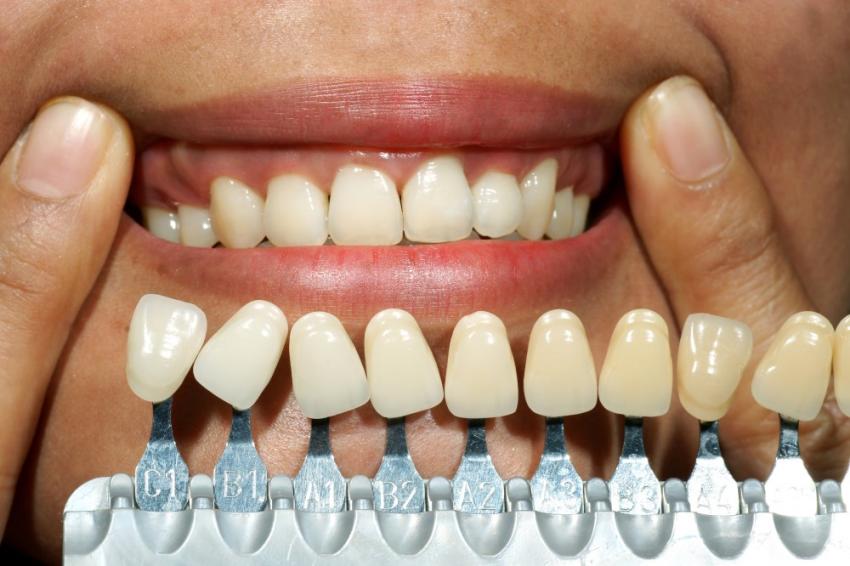
Tooth discolouration is a common cosmetic dental concern that can affect the appearance of a person's smile. Teeth may become stained or darker over time due to ageing, dietary habits, tobacco use, certain medications, or changes within the tooth structure. While professional teeth whitening can improve many types of staining, some discolouration may not respond effectively to bleaching treatments.
Composite bonding is another cosmetic dental option that can help improve the appearance of discoloured teeth. It involves applying tooth-coloured resin to selected tooth surfaces to conceal stains and create a more consistent smile appearance. Understanding how composite bonding works, which types of discolouration it can address, and its advantages can help individuals make informed decisions about cosmetic dental treatment.
What Is Composite Bonding?
Composite bonding is a cosmetic dental procedure that uses tooth-coloured resin material to improve the shape, appearance, and colour of natural teeth. The dentist applies the resin directly to the affected tooth, carefully shapes it, and hardens it using a specialised curing light.
The material is available in different shades, allowing the dentist to select a colour that closely matches the surrounding teeth or the desired smile appearance.
Composite bonding is commonly used to repair chipped teeth, close small gaps, improve uneven edges, and conceal selected areas of discolouration. It is generally considered a minimally invasive procedure because significant enamel removal is often unnecessary.
How Does Composite Bonding Correct Tooth Discolouration?
Composite bonding improves the appearance of discoloured teeth by covering the affected areas with a layer of tooth-coloured resin.
Instead of chemically changing the natural tooth colour, as whitening treatments do, bonding creates a new visible surface that conceals stains and colour irregularities.
The dentist carefully selects the composite shade according to the surrounding teeth and the patient's aesthetic goals. The material is then applied over the affected area and shaped to create a natural-looking appearance.
Once hardened and polished, the resin helps the treated tooth blend with the rest of the smile. This approach can be particularly useful when discolouration is localised or resistant to conventional whitening methods.
What Types of Tooth Discolouration Can Composite Bonding Improve?
Composite bonding may be suitable for different types of stains and colour changes, depending on their cause and severity.
1. Persistent Surface Stains
Surface stains can develop from frequent consumption of coffee, tea, red wine, dark-coloured foods, and tobacco.
Professional cleaning and teeth whitening may help reduce many external stains. However, some stubborn discolouration may remain.
Composite bonding can conceal selected stained areas by covering the visible tooth surface with resin material. The dentist determines whether bonding is appropriate after evaluating the type and extent of staining.
2. Intrinsic Tooth Discolouration
Intrinsic stains develop within the internal structure of a tooth rather than only on its surface. They may result from certain medications, dental trauma, developmental conditions, or changes in the tooth's internal tissues.
These stains can be more difficult to improve with conventional whitening treatments.
Composite bonding may help conceal intrinsic discolouration by creating a tooth-coloured layer over the affected area. The amount of coverage required depends on the severity of the colour change.
3. Discolouration After Dental Trauma
A tooth that has experienced an injury may gradually become darker than neighbouring teeth. This can occur when the internal tissues of the tooth are affected.
Before considering cosmetic bonding, the dentist must examine the tooth to determine whether there is an underlying problem requiring treatment.
If the tooth is healthy and the remaining discolouration is primarily cosmetic, composite bonding may be considered to improve its appearance.
4. Uneven Colour Between Teeth
Some individuals have naturally different shades across their teeth or experience colour variations following previous dental treatments.
Composite bonding can be applied selectively to affected teeth to improve colour consistency. The dentist carefully matches the resin to the surrounding enamel to create a more harmonious appearance.
What Is the Composite Bonding Procedure for Discoloured Teeth?
The treatment involves several steps designed to improve the appearance of the tooth while maintaining a natural-looking result.
Step 1: Dental Examination
The dentist examines the discoloured teeth to identify the cause of staining and assess the condition of the enamel.
This is important because tooth discolouration may sometimes indicate an underlying dental problem rather than simply a cosmetic concern.
The dentist also discusses the patient's expectations and determines whether composite bonding, whitening, or another treatment may be more appropriate.
Step 2: Shade Selection
Choosing the correct composite shade is essential for achieving natural-looking results.
The dentist compares different resin shades with the surrounding teeth and considers the patient's desired appearance. Proper shade selection helps the treated area blend with the natural smile.
Step 3: Tooth Preparation
The affected tooth is cleaned and prepared to support proper bonding.
A conditioning solution may be applied to the enamel, followed by a bonding agent that helps the composite resin adhere to the tooth surface.
In many cases, extensive tooth preparation is unnecessary.
Step 4: Composite Resin Application
The dentist applies the tooth-coloured composite resin to the selected surface.
The material is carefully shaped to conceal discolouration while maintaining the natural contours and proportions of the tooth.
This stage requires attention to detail because excessive resin can make the tooth appear bulky.
Step 5: Curing and Polishing
A specialised curing light hardens the composite material.
The dentist then makes final adjustments to its shape and surface texture before polishing it to achieve a smooth finish.
The completed restoration is designed to blend naturally with the surrounding teeth.
What Are the Benefits of Composite Bonding for Discoloured Teeth?
Composite bonding offers several advantages for individuals concerned about tooth colour.
Conceals Stubborn Stains: It can cover selected areas of discolouration that may not respond adequately to whitening.
Natural-Looking Appearance: Tooth-coloured resin can be matched to surrounding teeth, helping create a consistent smile.
Minimally Invasive Treatment: The procedure generally requires little or no removal of natural enamel.
Relatively Quick Procedure: Many bonding treatments can be completed during a single appointment, depending on the number of teeth involved.
Customised Results: The dentist can adjust the resin shade, thickness, and shape according to the patient's cosmetic needs.
Versatile Cosmetic Treatment: Bonding can address discolouration while also correcting minor chips, uneven edges, and small gaps.
Composite Bonding vs Teeth Whitening
Composite bonding and teeth whitening improve tooth appearance through different methods.
Teeth whitening uses bleaching agents to lighten the natural tooth colour. It is generally suitable for individuals with widespread staining who want to brighten their smile without covering the tooth surfaces.
Composite bonding, on the other hand, conceals discolouration by applying resin to selected areas. It may be more appropriate for localised stains, certain intrinsic discolouration, or teeth with additional cosmetic imperfections.
Whitening does not change the shape of teeth, whereas bonding can improve both colour appearance and tooth contours.
The most suitable treatment depends on the cause of discolouration, the condition of the teeth, and the patient's expectations.
How Long Does Composite Bonding Last?
Composite bonding commonly lasts around five to ten years, although its lifespan varies depending on oral hygiene, eating habits, bite pressure, and the location of the restoration.
The resin may gradually stain through exposure to coffee, tea, tobacco, and other coloured substances. It can also experience wear or minor damage over time.
Regular dental examinations help monitor the condition of the bonded material and identify when polishing, repair, or replacement may be required.
How Can You Maintain Composite Bonding?
Maintaining bonded teeth requires consistent oral hygiene and preventive care.
Brush twice daily using fluoride toothpaste and a soft-bristled toothbrush.
Floss regularly to remove plaque between teeth.
Limit frequent consumption of staining beverages.
Avoid biting hard objects such as ice and pens.
Do not use your teeth to open packages.
Attend regular dental check-ups and professional cleanings.
Avoid smoking and tobacco products.
Discuss a night guard with your dentist if you grind your teeth.
These habits can help preserve the appearance of the composite resin and support the health of the surrounding natural teeth.
Is Composite Bonding Suitable for Everyone?
Composite bonding may be appropriate for individuals with healthy teeth who want to conceal selected areas of discolouration.
However, patients with untreated cavities, gum disease, extensive tooth damage, or severe staining may require alternative treatment.
A dental examination is essential to determine whether bonding can provide suitable results. In some situations, professional whitening, porcelain veneers, crowns, or treatment of an underlying dental condition may be more appropriate.
Conclusion
Composite bonding can help correct tooth discolouration by covering stained or unevenly coloured tooth surfaces with tooth-coloured resin. It offers a conservative cosmetic solution for selected stains that may not respond effectively to whitening, while also allowing dentists to improve minor imperfections in tooth shape. The treatment can create a more consistent smile appearance when carefully planned and professionally performed. Individuals considering Composite Bonding in Dubai can consult Atlantis GEO to understand their cosmetic dental options and determine whether composite bonding is suitable for their individual needs.