

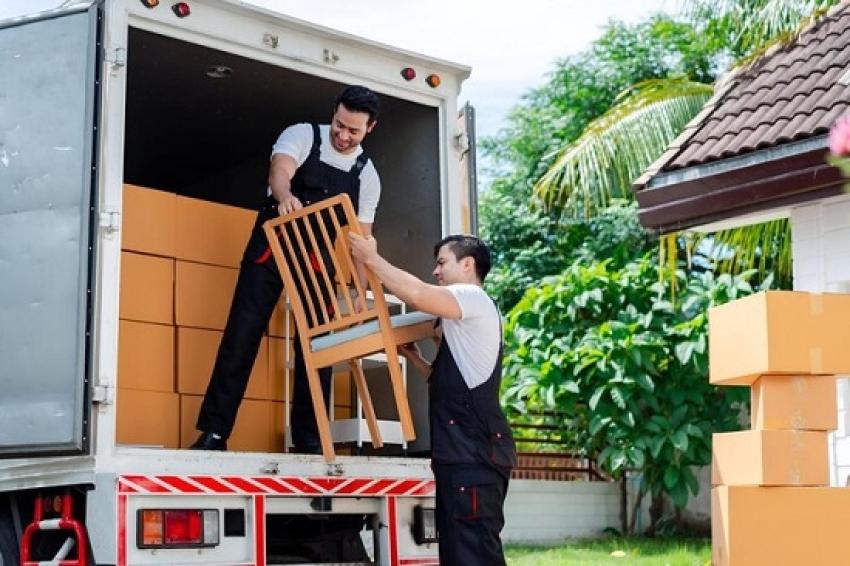
Old furniture often becomes a problem when replacing household items or preparing to move. Sofas, beds, and wardrobes occupy considerable space and can be difficult to transport. Their size, weight, and materials also affect disposal options.
Professional Furniture Removal in Dublin services can help manage bulky items that cannot fit regular waste collections. However, disposal is not always the only option. Understanding reuse, donation, recycling, and collection methods helps homeowners make informed decisions.
Why Is Old Furniture Difficult to Remove?
Furniture often combines materials that require different handling methods. Sofas contain upholstery, timber, foam, and sometimes metal components. Beds and wardrobes may include heavy frames, glass panels, or large wooden sections.
Moving these items through narrow doorways can also create difficulties. Apartment staircases and restricted entrances make furniture removal in Dublin particularly challenging. Planning ahead helps prevent property damage and unnecessary lifting risks.
What Are Your Options for Unwanted Furniture?
The best option depends on the furniture's condition and materials. Some items remain suitable for reuse, while others require recycling or disposal. Assess each piece before deciding how to remove it.
Donate Furniture That Remains Usable
Donation can extend the lifespan of furniture in good condition. Clean tables, sturdy wardrobes, and undamaged chairs may be suitable. However, acceptance depends on the receiving organisation's requirements.
Check furniture condition before arranging collection or delivery. Upholstered items may need appropriate fire safety labels. Avoid donating furniture with structural damage, significant stains, or pest problems.
Sell or Give Away Unwanted Items
Usable furniture may interest someone furnishing a home on a budget. Online listings and community groups can help connect owners with potential recipients. Accurate descriptions make these arrangements easier.
Include measurements, photographs, and details about existing damage. Explain whether collection requires dismantling or carrying items downstairs. Never assume another person can safely transport oversized furniture.
Arrange Furniture Recycling
Recycling may be appropriate when furniture cannot be reused. Metal bed frames and certain wooden components may have recoverable materials. Mixed furniture often requires additional sorting before processing.
Furniture removal services may handle collection and transport to suitable facilities. However, recycling possibilities depend on materials and local acceptance requirements. Ask how different furniture types will be managed.
How to Remove Old Sofas Safely
Sofas are difficult to move because of their width and uneven weight. Reclining mechanisms and metal frames can make lifting more complicated. Measure doorways and corridors before attempting removal.
Remove detachable cushions and loose components first. Check whether the sofa separates into smaller sections. Avoid forcing furniture through narrow openings.
Professional furniture removal can be useful for heavy or oversized sofas. Collection arrangements should account for stairs, parking, and building access. Mention unusual dimensions when requesting an estimate.
What Should You Do With Old Beds and Mattresses?
Beds often require dismantling before they can leave a property. Remove bedding, disconnect detachable sections, and organise smaller components. Keep screws and fittings together if the frame remains reusable.
Mattresses require separate consideration because of their bulky construction. Their condition affects whether reuse is appropriate. Damaged or heavily soiled mattresses generally need suitable waste collection.
Furniture removal arrangements should clearly identify mattresses and bed frames. Confirm whether both items are accepted together. Never leave mattresses beside public bins without an authorised collection arrangement.
How to Dispose of Unwanted Wardrobes
Wardrobes can be difficult to transport without dismantling. Large panels, mirrors, and sliding doors increase handling risks. Empty every compartment before attempting movement.
Remove loose shelves and drawers where practical. Secure glass components and protect sharp edges. Dismantle furniture only when its construction allows safe disassembly.
Furniture removal services can help with large wardrobes requiring careful handling. However, dismantling may not always be included. Confirm this before booking collection.
What Affects Furniture Removal Costs in Dublin?
Several factors influence the cost of collecting unwanted furniture. Item quantity, dimensions, weight, and property access are important considerations. Disposal requirements can also affect the final estimate.
Ground-floor collections may involve less handling than upper-floor removals. Limited parking and narrow staircases can increase labour requirements. Dismantling large furniture may require additional time.
When arranging Furniture Removal Dublin, provide accurate information about every item. Include photographs and mention access restrictions. This helps establish a clearer collection estimate.
Preparing Furniture for Collection
Good preparation makes furniture removal more manageable. Clear pathways between the furniture and the property entrance. Remove personal belongings from drawers, cabinets, and storage compartments.
Keep children and pets away from moving areas. Identify damaged furniture with exposed nails or broken glass. Inform collection teams about unusually heavy items.
Frequently Asked Questions
Can damaged furniture be recycled?
Some damaged furniture contains recyclable materials. Acceptance depends on construction and contamination. Check available processing options before disposal.
Should furniture be dismantled before collection?
Dismantling can make large items easier to transport. However, some furniture may become unstable during disassembly. Confirm collection requirements before taking anything apart.
Can multiple furniture items be collected together?
Multiple items can often be included in one furniture removal arrangement. Provide a complete inventory when requesting collection. This helps determine transport and handling requirements.
Final Thoughts
Unwanted furniture removal does not always need immediate disposal. Reuse, donation, and recycling may offer practical alternatives. When collection becomes necessary, accurate preparation helps avoid complications. Understanding furniture materials, access requirements, and options for furniture removal in Dublin makes the process easier. A planned approach also supports safer handling and responsible waste management.