

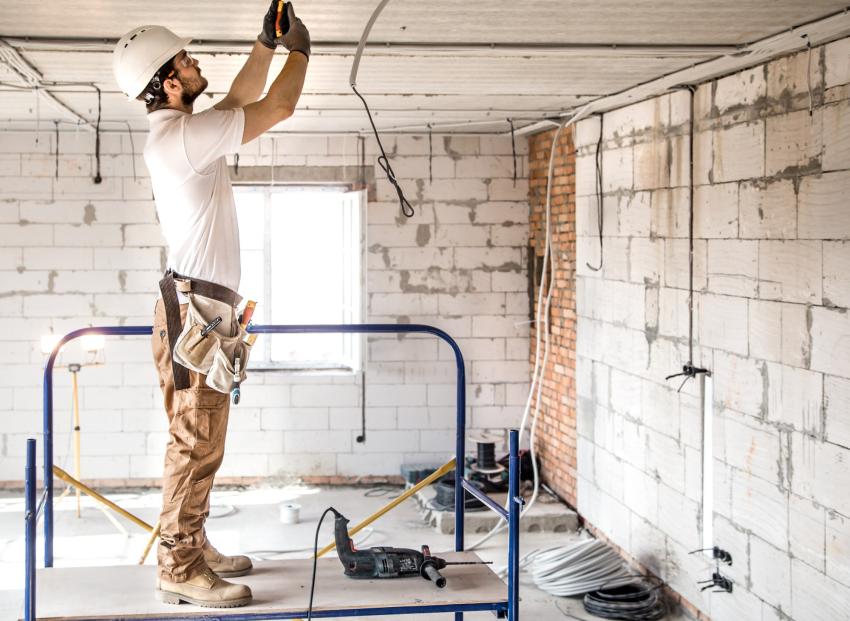
A major home renovation can quickly become stressful when decisions are made without a clear plan. From unexpected construction expenses to poorly coordinated contractors, small oversights can create delays, disrupt daily routines, and affect the final appearance of your home. The challenge is not simply deciding what to change but understanding how every renovation decision affects the rest of the property.
A successful Full House Remodeling project requires careful preparation, realistic budgeting, and coordination between different stages of construction. Understanding the mistakes homeowners commonly make can help you avoid unnecessary complications, protect your investment, and create a home that works better for your lifestyle.
1. Starting Construction Without a Detailed Plan
One of the most common renovation mistakes is beginning demolition or construction before establishing exactly what the project involves. Homeowners may have a general idea of how they want their home to look but lack specific decisions about room layouts, materials, lighting, storage, and structural changes.
Without a detailed plan, important decisions are often postponed until construction is underway. This can lead to changes that require previously completed work to be removed or adjusted.
Before starting, establish:
- Which rooms need complete renovations and which require minor improvements.
- Whether walls, doorways, or room layouts need to change.
- What materials, finishes, and fixtures will be used.
- Which improvements should receive priority.
- How the finished home should accommodate your household's daily activities.
A clear project scope gives homeowners and contractors a shared understanding of expectations.
2. Underestimating the Total Remodeling Budget
Many homeowners calculate renovation costs based primarily on visible improvements, such as new flooring, kitchen cabinets, bathroom fixtures, and fresh paint. However, a whole-home renovation often involves less visible expenses that can significantly affect the overall budget.
Electrical updates, plumbing repairs, drywall replacement, insulation improvements, and structural adjustments may become necessary once existing surfaces are removed.
Forgetting About Unexpected Expenses
Older properties can contain hidden problems that are difficult to identify during an initial walkthrough. Water damage behind walls, outdated wiring, deteriorating pipes, and damaged subflooring are examples of issues that may appear during construction.
To reduce financial surprises, homeowners should:
- Request detailed estimates covering labor and materials.
- Identify which repairs are included in the proposed scope.
- Set aside a contingency allowance for unexpected work.
- Compare material options without compromising essential quality.
- Keep track of payments and approved project changes.
An organized budget makes it easier to manage decisions without constantly adjusting financial expectations.
3. Choosing Materials Based Only on Appearance
Beautiful materials can make a renovated home look impressive, but appearance should not be the only consideration. Flooring, countertops, cabinetry, paint, and bathroom finishes must also suit the way a household uses each space.
For example, delicate flooring may not be practical in a busy entryway where dirt and moisture are regularly tracked inside. Similarly, certain countertop materials require more maintenance than homeowners initially expect.
Think about durability, cleaning requirements, moisture resistance, and long-term maintenance before making selections.
It is also helpful to view material samples under your home's actual lighting conditions. A paint color or flooring finish that looks attractive in a showroom may appear noticeably different under natural sunlight or existing interior lighting.
4. Ignoring the Connection Between Different Rooms
A full home renovation should create a cohesive living environment rather than a collection of individually attractive spaces.
One common mistake is remodeling each room independently without considering how its design relates to neighboring areas. A modern kitchen, traditional living room, and dramatically different hallway finishes can make the overall property feel disconnected.
This does not mean every room needs identical colors or materials. Instead, establish a consistent design direction through complementary flooring, coordinated finishes, suitable lighting, and a balanced color palette.
Pay particular attention to transitional spaces such as hallways, staircases, and entryways. These areas connect the home's major rooms and influence how the entire interior feels.
5. Overlooking Electrical, Plumbing, and Structural Needs
Cosmetic improvements often receive the most attention because they are immediately visible. However, concentrating entirely on appearance can leave important functional problems unresolved.
For instance, installing new kitchen cabinets without evaluating plumbing connections or electrical requirements may create complications later. Likewise, changing a bathroom layout without properly assessing drainage and ventilation can affect its long-term usability.
Before finalizing the design, consider whether the property needs:
- Electrical system updates or additional outlets.
- Plumbing repairs or fixture relocation.
- Improved bathroom and kitchen ventilation.
- Structural assessments before removing or modifying walls.
- Better insulation or other energy-efficiency improvements.
Qualified professionals should assess work involving structural modifications and regulated building systems. Addressing these requirements early can prevent avoidable rework and help ensure that the renovated home functions as well as it looks.
6. Making Too Many Changes During Construction
It is natural to reconsider certain design decisions after seeing renovation work take shape. However, repeatedly changing the original plan can create serious scheduling and budgeting difficulties.
A decision to replace selected kitchen cabinets, for example, might affect countertop measurements, backsplash installation, plumbing connections, and electrical positioning. Even a seemingly small adjustment can influence several connected tasks.
Some changes are unavoidable, especially when hidden damage is discovered. Others can be prevented through better preparation.
Create a decision-making deadline for major selections, including flooring, fixtures, cabinetry, and paint colors. If a change becomes necessary, ask the contractor to explain its effect on cost, materials, and completion time before approving it.
7. Hiring Contractors Without Checking Their Credentials and Work Process
Selecting a contractor based entirely on the lowest estimate can expose homeowners to problems that become expensive to correct.
Two proposals may appear similar but include very different materials, labor arrangements, project responsibilities, and levels of detail. A low initial price does not necessarily represent the best overall value.
Before hiring a remodeling contractor, take time to:
- Review relevant licenses and insurance requirements.
- Examine examples of comparable renovation projects.
- Request references from previous clients.
- Understand who will supervise the work.
- Confirm how project changes and unexpected repairs are handled.
- Review payment schedules and written contract terms.
Communication matters just as much as construction skills. Homeowners should understand how often updates will be provided, who answers questions, and how concerns will be addressed throughout the renovation.
8. Forgetting About Daily Life During the Renovation
A whole-house renovation can temporarily affect nearly every part of a family's routine. Kitchens may become unavailable, bathrooms may be under construction, and furniture or personal belongings may need to be moved.
Homeowners sometimes underestimate how disruptive these changes can become, particularly when several rooms are renovated simultaneously.
Think about practical arrangements before construction begins. Depending on the project, you may need temporary cooking facilities, alternative bathroom access, off-site storage, or temporary accommodation.
It is also worth discussing construction access, working hours, dust containment, and material storage with your contractor. A realistic plan for living through the renovation can make the experience considerably more manageable.
9. Rushing the Final Inspection
Seeing the major construction work completed can create excitement, but the project should not be considered finished simply because the rooms look clean and attractive.
A final walkthrough gives homeowners an opportunity to identify unfinished details and confirm that agreed work has been completed.
Check items such as:
- Doors and windows opening and closing properly.
- Cabinets and drawers operating smoothly.
- Faucets, drains, and fixtures functioning correctly.
- Electrical outlets, switches, and lighting working as intended.
- Flooring, paint, and trim having an acceptable finish.
- Any agreed repairs or outstanding tasks being addressed.
Document concerns and discuss them with the contractor before final acceptance. Keep copies of relevant warranties, product information, permits, and project documentation for future reference.
When Professional Remodeling Guidance Makes a Difference
Some renovation decisions are relatively straightforward, but coordinating an entire property requires a broader understanding of construction, design, scheduling, and building requirements.
Professional remodeling guidance can help homeowners evaluate their priorities, identify potential complications, and organize work in a logical sequence. It can also make communication between different trades more manageable, particularly when kitchen, bathroom, flooring, electrical, and interior improvements are part of the same project.
For homeowners planning significant property improvements, NuHorizon Remodeling Contractors is a resource worth exploring. The company provides an opportunity to discuss remodeling needs and consider how different improvements can contribute to a more functional, comfortable home. Visit NuHorizon Remodeling Contractors to learn more about its remodeling services and explore options for your renovation project.
Build a Better Remodeling Experience Through Smarter Decisions
Avoiding common renovation mistakes starts long before construction begins. A realistic budget, carefully selected materials, a clear project scope, and reliable professional coordination can make a substantial difference in how smoothly a renovation progresses.
The goal of Full House Remodeling should extend beyond creating attractive interiors. It should improve how your home functions, support your household's needs, and provide lasting value through thoughtful improvements.
If you are considering updating several areas of your property, take time to plan your priorities and understand the work involved before getting started. Contact NuHorizon Remodeling Contractors to discuss your remodeling goals and explore practical ways to turn your existing house into a more comfortable and thoughtfully designed home.