Your vehicle's wheels experience constant contact with road surfaces. Potholes, curbs, road debris, and everyday driving create repeated stress. Over time, these conditions can damage wheels and affect their appearance. Some problems also influence handling, tyre performance, and driving safety.
Recognising wheel damage early helps prevent further complications. Professional Wheel and rim repair in Bedford, MA addresses several common problems. Understanding these issues helps determine when professional inspection becomes necessary.
1. Bent Wheels From Pothole Impacts
Potholes can create sudden impacts against wheel surfaces. The force may bend the rim's edge or inner barrel. Even small bends can affect wheel rotation. Severe damage may also create tyre pressure problems.
Drivers sometimes notice steering vibrations after an impact. Air pressure may also decrease without obvious punctures. These symptoms can indicate wheel deformation. A proper inspection helps identify the underlying problem.
Technicians assess the affected area before recommending repairs. Certain bends may be suitable for professional straightening. However, severe structural damage may require replacement. Safety should determine the final repair decision.
2. Scratched and Scuffed Rims
Curb contact commonly causes visible rim damage. Parking too close to raised edges can scrape exterior surfaces. These marks may expose underlying metal or affect protective finishes. Scratches can also reduce the wheel's overall appearance.
Minor cosmetic damage may require surface refinishing. Technicians clean the affected area before preparing it. They may restore damaged finishes using suitable materials. The final appearance depends on damage depth and wheel construction.
Not every scratch requires extensive restoration. However, deeper marks deserve closer inspection. Exposed metal may require appropriate treatment. Early attention helps prevent further surface deterioration.
3. Cracked Wheels and Structural Damage
Cracks can develop after significant road impacts. They may appear around the wheel spokes or barrel. Some cracks remain difficult to identify visually. Continued driving can increase the associated risks.
A cracked wheel requires immediate professional assessment. Technicians examine its location, depth, and extent. Certain structural damage cannot be repaired reliably. Replacement may provide the safer solution.
Never assume that every crack qualifies for repair. Wheel material and damage position influence repair suitability. Ask technicians to explain their findings. Avoid driving on wheels considered unsafe.
4. Corrosion and Damaged Wheel Finishes
Moisture, road contaminants, and cleaning chemicals affect wheel finishes. Protective coatings can deteriorate through repeated exposure. Corrosion may develop where the finish becomes compromised. This can gradually affect the wheel's appearance.
Technicians inspect affected areas for corrosion and coating failure. Surface preparation may remove certain contaminants. Suitable refinishing can restore the wheel's appearance. Severe material deterioration may require replacement.
Regular cleaning helps reduce contaminant buildup. Avoid harsh cleaning products that damage protective finishes. Inspect wheels periodically for peeling or discolouration. Early treatment can limit additional deterioration.
5. Wheel Vibration and Alignment Concerns
Not every vibration originates from damaged rims. Unbalanced wheels, tyre defects, and alignment problems can produce similar symptoms. However, wheel deformation remains an important possibility. Identifying the correct cause prevents unnecessary repairs.
Pay attention to when vibrations occur. Steering wheel movement may indicate front-wheel concerns. Seat or floor vibrations can suggest different problems. A professional inspection helps narrow down possible causes.
Wheel repair should not replace necessary balancing procedures. Technicians may recommend additional checks after correcting damage. Proper balancing supports smoother wheel rotation. Alignment checks may also become necessary.
6. When Does Your Vehicle Need Wheel and Rim Repair?
Certain warning signs deserve immediate attention. These include visible bends, cracks, repeated pressure loss, and unusual vibrations. Scraping noises can also indicate wheel-related problems. Ignoring these symptoms may create additional complications.
If you notice damage after hitting a pothole, arrange an inspection. Do not rely entirely on visual appearance. Some deformation affects areas hidden from ordinary viewing. A thorough assessment provides better information.
When considering Wheel and rim repair in Bedford, MA, ask about inspection procedures. Find out whether technicians assess structural integrity. Discuss repair limitations and replacement recommendations. Clear explanations help you make informed decisions.
7. Understanding the Wheel Repair Process
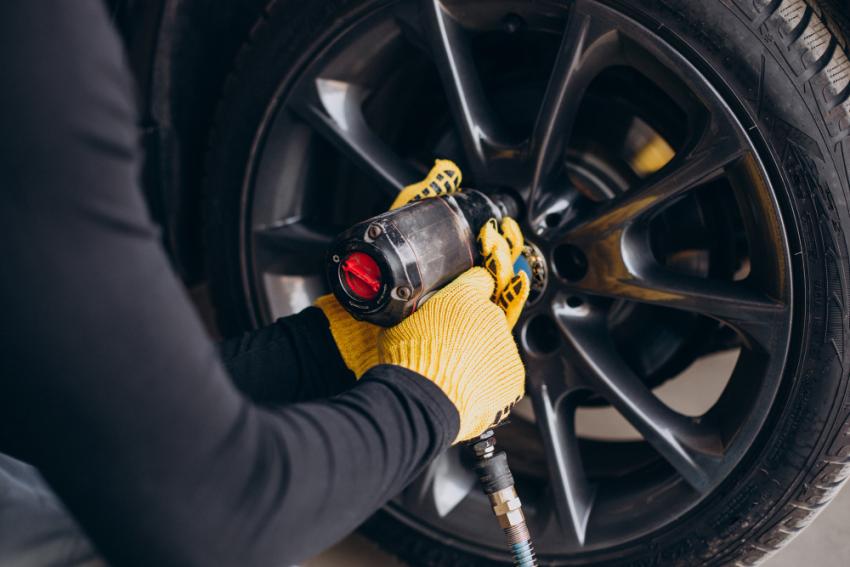
The process begins with removing and inspecting the affected wheel. Technicians identify cosmetic and structural damage. They determine whether restoration is appropriate. This assessment establishes the necessary repair procedures.
For suitable bends, specialised equipment may restore wheel shape. Cosmetic damage may require sanding and refinishing. Corroded areas need appropriate surface treatment. Each method depends on wheel construction and damage severity.
After repairs, technicians inspect the finished wheel. They may recommend balancing and additional checks. The repaired component should meet applicable safety requirements. Ask for an explanation of completed work.
8. How to Prevent Future Wheel Damage
Avoid driving aggressively over potholes and damaged road surfaces. Reduce speed when approaching unavoidable road hazards. Maintain correct tyre pressure according to vehicle specifications. Proper inflation supports better impact absorption.
Use caution when parking near raised curbs. Allow enough clearance between wheels and obstacles. Clean wheels regularly using suitable products. Inspect them whenever you notice unusual handling.
Choosing the Right Wheel Repair Service
Selecting Wheel and rim repair near Bedford, MA requires attention to repair capabilities. Ask about equipment, technician experience, and inspection methods. Understand when repairs are possible and replacements become necessary. Transparent recommendations should prioritise wheel safety.
Prompt inspection helps identify damage before it worsens. However, not every damaged wheel should undergo restoration. The appropriate decision depends on its actual condition. Professional assessment helps protect driving performance and vehicle reliability.