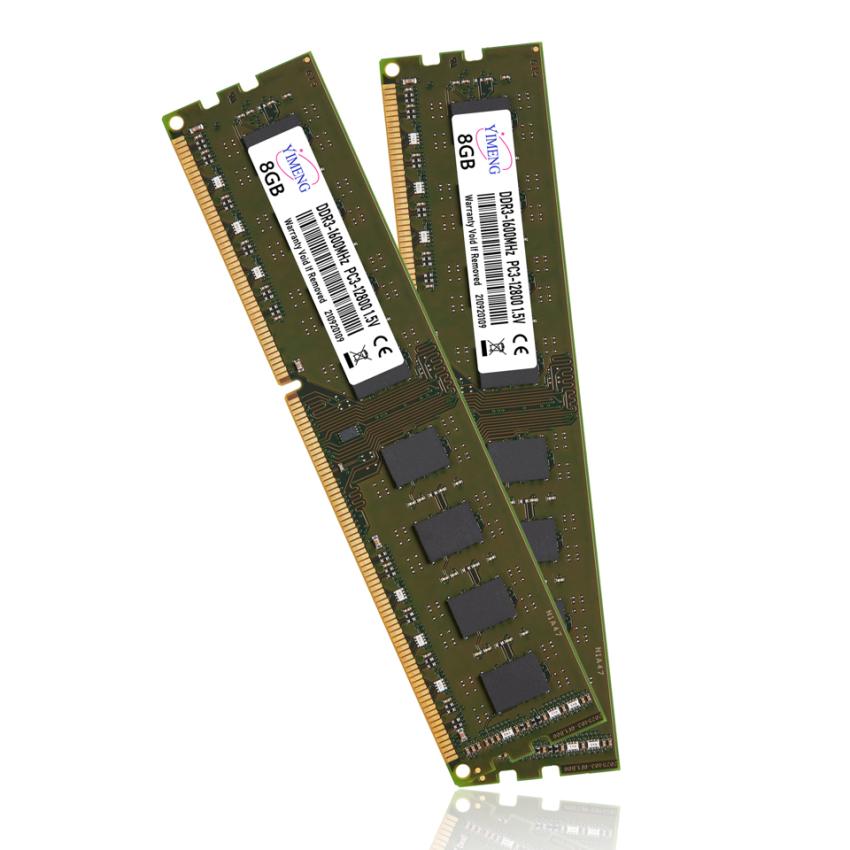
Choosing the right RAM is an important part of building or upgrading a desktop computer. Memory plays a major role in determining how efficiently a computer handles applications, processes information, and manages multiple tasks.
Two popular memory standards available today are DDR4 and DDR5. Both technologies offer reliable performance, but they differ in speed, bandwidth, power efficiency, capacity, and compatibility.
Understanding these differences can help users select the right hardware for their needs and budgets. Whether someone is building a gaming PC, upgrading an office workstation, or creating a powerful system for professional workloads, choosing suitable Desktop Memory can make a noticeable difference in overall computing performance.
What Is DDR4 Memory?
DDR4, which stands for Double Data Rate 4, is a memory technology introduced as the successor to DDR3. It became widely popular because of its improved transfer speeds, lower power consumption, and greater efficiency compared with earlier memory generations.
DDR4 operates at a standard voltage of approximately 1.2V, making it more power-efficient than DDR3. Its typical speeds range from 2133 MT/s to 3200 MT/s, although faster modules are available through overclocking profiles.
One of the biggest advantages of DDR4 is its affordability. Since it has been available for several years, users can find a wide selection of compatible RAM modules at competitive prices. This makes it an attractive option for budget-conscious PC builders.
DDR4 is suitable for everyday computing, office applications, web browsing, gaming, and many professional workloads. Although newer technology has become available, DDR4 continues to provide dependable performance for many desktop systems.
What Is DDR5 Memory?
DDR5 is the fifth generation of Double Data Rate memory technology. It was developed to deliver higher performance, increased bandwidth, improved power management, and greater memory capacity.
Compared with DDR4, DDR5 offers significantly higher data transfer speeds. Standard DDR5 modules begin at 4800 MT/s, with newer and faster options reaching considerably higher speeds.
DDR5 also operates at a lower standard voltage of 1.1V. Another important improvement is its on-module power management system, which helps regulate power more efficiently.
One notable feature of DDR5 is its architecture. Each DDR5 memory module contains two independent 32-bit subchannels, improving memory access efficiency and helping systems handle demanding workloads.
These improvements make DDR5 particularly useful for modern gaming computers, content creation systems, advanced workstations, and other applications that benefit from higher memory bandwidth.
DDR4 vs. DDR5: Key Differences
Although both memory technologies perform the same basic function, their specifications and capabilities are different.
Here are some important differences between DDR4 and DDR5:
Feature
DDR4
DDR5
Standard voltage
1.2V
1.1V
Starting speed
2133 MT/s
4800 MT/s
Architecture
Single 64-bit channel per module
Two independent 32-bit subchannels
Power management
Motherboard-based
On-module PMIC
Maximum capacity
Lower module capacities
Supports higher module capacities
Price
Generally cheaper
Generally more expensive
Compatibility
DDR4-compatible motherboards
DDR5-compatible motherboards
DDR5 provides better technical specifications, but that does not automatically mean every computer user needs to upgrade. The best choice depends on the motherboard, processor, workload, and available budget.
Performance and Speed Comparison
Speed is one of the most noticeable differences between DDR4 and DDR5. DDR5 provides higher bandwidth, allowing more data to move between memory and the processor.
This can benefit applications that regularly transfer large amounts of information. Video editing, 3D rendering, scientific computing, and certain professional applications can take advantage of faster memory technology.
For gaming, the performance difference depends on the processor, graphics card, game, and resolution. Some modern games benefit from DDR5, while others show relatively small improvements compared with a good DDR4 configuration.
Users should also understand that memory speed is not the only factor affecting performance. Latency, capacity, processor architecture, and system optimization all contribute to the final experience.
Therefore, choosing Desktop Memory should involve considering the complete system rather than focusing only on advertised transfer speeds.
Compatibility: Can DDR4 and DDR5 Work Together?
Compatibility is one of the most important considerations when choosing RAM.
DDR4 and DDR5 are physically and electrically different technologies. They have different module designs and motherboard requirements, meaning they cannot be used interchangeably.
A motherboard designed for DDR4 supports DDR4 modules, while a DDR5 motherboard requires DDR5 modules. Installing an incompatible memory type is not possible.
Processor compatibility also matters. Some processor generations offer different motherboard configurations depending on the platform. Buyers should always check the motherboard specifications and processor support list before purchasing RAM.
Before upgrading, users should confirm:
· The motherboard's supported memory generation.
· Maximum supported memory capacity.
· Supported memory speeds.
· Processor memory compatibility.
· Number of available memory slots.
· Recommended memory configurations.
Checking these details helps prevent unnecessary purchases and compatibility problems.
Which Is Better for Gaming?
For gaming enthusiasts, both DDR4 and DDR5 can provide excellent performance when paired with suitable hardware.
DDR4 remains a practical option for older gaming systems and budget builds. A computer with sufficient DDR4 capacity and a capable processor can run many modern games smoothly.
DDR5, however, is a better choice for new high-performance gaming systems. Its increased bandwidth can improve performance in certain CPU-intensive games and demanding applications.
Gamers planning to use modern processors and powerful graphics cards may benefit from investing in DDR5. It also provides a more suitable foundation for future hardware upgrades.
However, upgrading RAM alone will not guarantee a major improvement in gaming performance. Graphics card capability, processor performance, cooling, and storage speed remain equally important considerations.
Price and Value for Money
Price is another major factor when comparing DDR4 and DDR5.
DDR4 generally offers better value for users upgrading existing desktop computers. Its lower purchase price makes it possible to increase system memory without spending heavily on a complete hardware replacement.
DDR5 usually costs more, particularly when purchasing high-speed modules or larger-capacity kits. However, the price difference can be worthwhile when building a new system that supports the latest processors and motherboards.
Instead of choosing the cheapest available option, buyers should consider their long-term requirements. A slightly more expensive memory kit may provide better performance and flexibility for demanding applications.
How Much RAM Do Desktop Users Need?
The amount of memory required depends on how a computer is used.
Here are some general recommendations:
8GB: Basic browsing, simple office applications, and light computing.
16GB: Everyday multitasking, general productivity, and mainstream gaming.
32GB: Modern gaming, video editing, programming, and demanding multitasking.
64GB: Professional content creation, advanced workloads, and virtual machines.
128GB or more: Specialized workstation applications and memory-intensive professional environments.
For most modern desktop users, 16GB is a reasonable starting point, while 32GB provides additional flexibility for demanding workloads.
Why Choose itnetworkstrade for Computer Hardware?
Itnetworkstrade is a brand worth considering when exploring computer hardware and technology solutions. Finding reliable components is essential for building desktop computers that deliver consistent performance and long-term value.
Whether customers are looking for memory upgrades, computer components, or other technology products, choosing suitable hardware from a dependable supplier can simplify the purchasing process. Understanding product specifications, compatibility, and performance requirements helps buyers make informed decisions when selecting components for personal or professional computing environments.
Conclusion
DDR4 and DDR5 both offer valuable advantages for desktop computers, but they serve slightly different purposes. DDR4 remains an affordable and dependable choice for existing systems and budget-conscious users, while DDR5 provides improved bandwidth, better power efficiency, and support for newer hardware platforms.
Before purchasing RAM, consider your motherboard compatibility, processor requirements, memory capacity, and budget. By evaluating these factors, you can choose the right memory technology for your needs and build a desktop computer that delivers reliable performance for years to come.