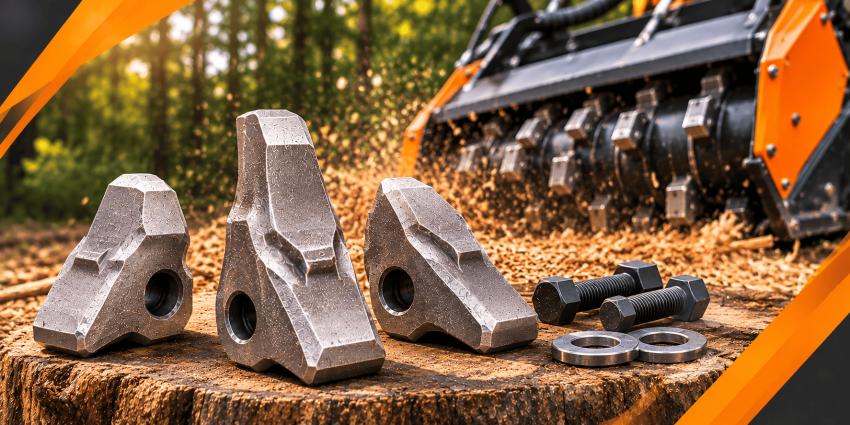
Ordering replacement teeth for a forestry mulcher requires careful attention to product specifications, machine compatibility and expected working conditions. For equipment owners and forestry contractors, choosing the correct tooth kit is important for maintaining cutting performance and avoiding unnecessary maintenance expenses. FAE C3 tooth kits are among the replacement options buyers may consider when servicing compatible mulching equipment.
However, selecting a suitable kit involves more than comparing product prices. Differences in tooth dimensions, mounting arrangements, material quality and package contents can influence whether a replacement is suitable for a particular machine. An incorrect order can lead to fitting problems, installation delays and additional costs.
Buyers are also paying closer attention to stock availability, delivery arrangements and the long term value of replacement components. Understanding these purchasing considerations helps contractors make informed decisions before ordering. A careful assessment of the equipment and its operating requirements can prevent avoidable mistakes and support better maintenance planning.
1. Checking Machine Compatibility Before Ordering
Confirming the Mulcher Model and Rotor Configuration
The first step is identifying the exact machine for which the replacement kit is required. Forestry mulchers can have different rotor designs and tooth mounting arrangements. Even products within the same equipment range may require different replacement specifications.
Buyers should check the machine model, serial number and rotor configuration before selecting a kit. Existing tooth identification and manufacturer parts information can also help confirm the correct replacement. These details are particularly useful when equipment has undergone previous repairs or component changes.
Never assume compatibility simply because a product description mentions FAE C3. The tooth must match the intended mounting system and operating requirements. Confirming these details before ordering reduces the risk of receiving unsuitable components.
Comparing Existing Tooth Dimensions
Physical dimensions provide another useful reference during part identification. Buyers should check the tooth's overall length, width, mounting section and relevant fitting measurements. The shape of the cutting edge should also match the intended design.
A small dimensional difference can affect how the replacement sits within the holder. Incorrect seating may cause fitting difficulties or unwanted movement during operation. For this reason, visual similarity alone is not enough to establish compatibility.
Where the original tooth is severely worn, its current dimensions may not reflect the correct factory specification. Buyers should use manufacturer information or verified part references rather than relying entirely on measurements taken from damaged components.
2. Assessing Material Quality and Manufacturing Standards
Understanding Material Strength
Forestry mulcher teeth operate under repeated impact and abrasion. They come into contact with branches, timber, roots and other materials throughout the working day. The quality of the material used in their construction can influence resistance to wear and mechanical damage.
Buyers should look for clear information about material composition, heat treatment and manufacturing quality. These details provide a better basis for comparison than general descriptions such as heavy duty or long lasting.
Material suitability also depends on the application. A contractor processing dense hardwood may have different requirements from someone managing lighter vegetation. Selecting a tooth designed for the expected working conditions helps support consistent equipment performance.
Checking Manufacturing Accuracy
Manufacturing consistency is another important consideration. Replacement teeth should have accurate dimensions, properly finished mounting areas and a suitable cutting profile. Poor finishing or inconsistent measurements may create installation difficulties.
Buyers should also examine product photographs and available technical information. Look for clear images of the cutting edge, mounting section and overall tooth design. If important specifications are missing, request clarification before completing the purchase.
For replacement components, accuracy matters as much as appearance. A well finished tooth must still match the machine's required specifications to provide a suitable fit.
3. Comparing Kit Contents and Replacement Requirements
Understanding What the Kit Includes
A tooth kit may contain different components depending on the supplier and product configuration. Some packages include only replacement teeth, while others may provide additional mounting hardware. Buyers should confirm the exact contents before comparing prices.
This check becomes particularly important when replacing several teeth during scheduled maintenance. Missing bolts, nuts or other required components can delay installation and create additional purchasing work.
Buyers should also compare the number of teeth supplied with the machine's replacement requirements. A kit containing fewer components may appear less expensive but could require additional orders to complete the job.
Checking Fasteners and Mounting Hardware
Fasteners are essential to the secure installation of forestry mulcher teeth. Bolts and nuts must match the specified dimensions, thread type and strength requirements of the mounting arrangement.
Worn or damaged fasteners should not be reused without checking their condition and suitability. Incorrect hardware can affect tooth positioning and compromise the fastening connection during operation.
When purchasing fae c3 mulcher teeth, buyers should also establish whether compatible mounting hardware is included or needs to be ordered separately. Checking this information in advance makes maintenance preparation easier and reduces the risk of incomplete orders.
4. Evaluating Price Against Long Term Value
Looking Beyond the Initial Cost
Price is often an important factor when purchasing replacement components. However, the cheapest available option does not always provide the best overall value. Buyers should consider product specifications, manufacturing quality and expected service life alongside the purchase price.
A replacement tooth may have a lower initial cost but require more frequent attention under demanding conditions. This can increase maintenance expenses over time. Conversely, a suitably manufactured component may offer better value if it performs consistently in the intended application.
A practical comparison should include the complete kit price, supplied quantity, delivery charges and any additional hardware required. This gives buyers a clearer understanding of the actual purchasing cost.
Considering Operating Conditions
The working environment has a direct influence on tooth wear. Rocky terrain, sandy soil, dense roots and hardwood can create demanding conditions for cutting components. Operating speed and operator technique may also affect replacement frequency.
Buyers should consider their previous maintenance records when estimating future requirements. Information about tooth replacement intervals and machine operating hours can help establish a realistic purchasing budget.
This approach is more useful than relying on general product claims. It allows contractors to assess replacement value according to their own equipment and working conditions.
5. Checking Supplier Reliability and Product Availability
Verifying Product Information
Clear product information helps buyers make confident purchasing decisions. A suitable supplier should be able to provide relevant details about dimensions, compatibility, package contents and available replacement options.
If the product description does not answer important questions, buyers should request additional information before ordering. Providing the machine model, serial number and photographs of the existing tooth can help with part identification.
When sourcing replacement components through Vine and Branch Equipment Supply, buyers can provide their equipment details to help establish suitable parts requirements. Accurate information makes the selection process more straightforward.
Confirming Stock and Delivery Arrangements
Availability is another consideration, particularly for contractors working to fixed project schedules. A machine waiting for replacement teeth can affect labour planning and delay ongoing work.
Before placing an order, check current stock availability and estimated delivery arrangements. Buyers should also consider whether replacement components can be sourced consistently for future maintenance requirements.
Keeping a suitable quantity of frequently used parts in workshop stock can reduce the risk of unexpected delays. However, inventory levels should reflect actual consumption rather than unnecessary bulk purchasing.
6. Avoiding Common Mistakes When Buying FAE C3 Tooth Kits
One common mistake is ordering a replacement based only on its product name. Similar descriptions do not guarantee identical mounting dimensions or machine compatibility. Always confirm the correct part reference before purchasing.
Another mistake is overlooking the condition of the existing tooth holders and fasteners. Installing new teeth into worn or damaged mounting points may create further problems. Inspect the complete cutting assembly before finalising the replacement requirement.
Buyers should also avoid comparing products using price alone. Product specifications, supplied components, availability and suitability for the intended application all matter. Taking time to verify these details can prevent unnecessary expenses and installation interruptions.
Conclusion
Ordering FAE C3 tooth kits requires careful consideration of compatibility, material quality, dimensions and package contents. Buyers should also assess fastener requirements, supplier information and delivery arrangements before making a purchasing decision. Comparing these details helps avoid unsuitable replacements and unnecessary maintenance expenses. A well planned purchasing process supports reliable mulcher operation and makes future parts management easier for forestry contractors and equipment owners.
Frequently Asked Questions
1. What should I check before ordering an FAE C3 tooth kit?
Check the machine model, rotor configuration, tooth dimensions, mounting arrangement and product part reference. Also confirm the number of teeth and whether mounting hardware is included.
2. Are FAE C3 tooth kits compatible with every forestry mulcher?
No. Compatibility depends on the machine design, rotor configuration and mounting specifications. Buyers should verify the correct application before ordering.
3. How can I compare the quality of replacement tooth kits?
Compare material specifications, manufacturing accuracy, cutting geometry and available product information. Consider how well the component suits your working conditions.
4. Do FAE C3 tooth kits include mounting bolts?
Package contents vary by product and supplier. Always check whether bolts, nuts and other required hardware are included before purchasing.
5. When should forestry mulcher teeth be replaced?
Teeth should be replaced when they reach the manufacturer's wear limits, become damaged or no longer provide suitable cutting performance. Regular inspections help determine the correct
replacement time.
6. Why is correct tooth identification important?
Accurate identification helps prevent compatibility problems, incorrect orders and installation delays. It also ensures the replacement matches the intended rotor and mounting arrangement.