Maintaining body balance, walking properly and doing daily activities easily are important parts of good physical health. However, some neurological problems, injuries, or difficulties associated with the nervous system can affect a person's ability to move. In such a situation, there may be instability while walking, dizziness, difficulty in maintaining body coordination and difficulty in maintaining proper posture.
Treatment-related services such as neurological rehabilitation Kew are intended to help improve a person's physical performance, balance, and movement. Rehabilitation is organized according to the individual's condition, symptoms and daily needs. Proper evaluation and personal exercises can help you perform activities with more confidence in daily life.
Understanding the Connection Between Neurological Health and Balance
Proper coordination between the brain, nervous system, eyes and inner ear is essential to maintain body balance. All these parts send information about the state and movements of the body, based on which the brain helps to keep the body balanced.
When a problem arises in any part of this system, a person may experience problems such as instability, difficulty understanding direction, or frequent dizziness while walking.
In such a situation, neurological rehabilitation is used according to the needs of the person. It may include balance-related activities, controlled movements, and exercises aimed at body coordination.
How Balance Rehabilitation Improves Everyday Movement
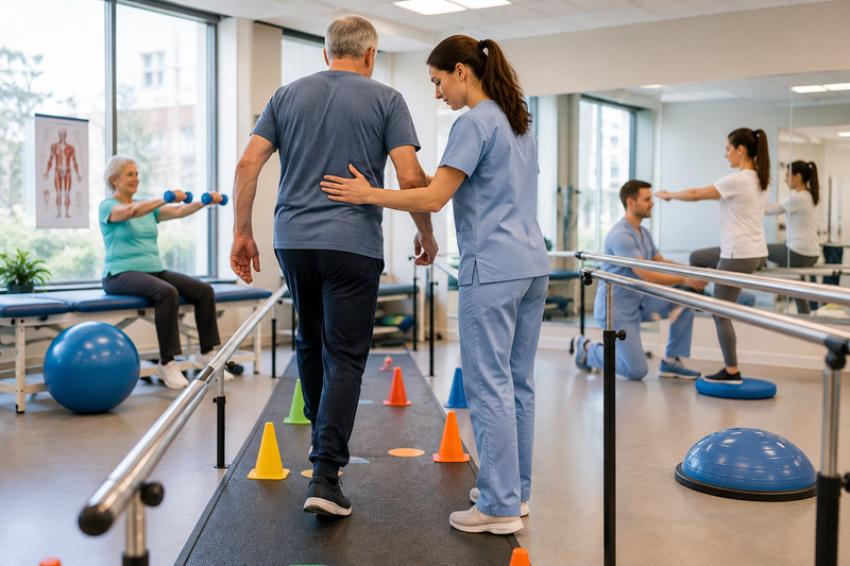
Balance rehabilitation is a rehabilitation process that focuses on improving the body's ability to maintain balance and stability. This can be especially useful for people who feel unstable while walking or have difficulty changing body position.
In this process different exercises are selected according to the physical capacity of the person. For example, balancing while standing in one place, gradually changing direction, and practicing walking in a controlled manner.
The main purpose of such exercises is to improve the body's ability to move. Regular practice and proper guidance can make it easier for a person to climb stairs, walk outside and do normal household chores.
The Role of Vestibular Rehabilitation in Managing Dizziness
The vestibular system in the inner ear plays an important role in understanding body balance and head movements. A malfunction in this system can cause problems such as dizziness, feeling unsteady while shaking the head, or losing balance while walking.
In vestibular rehabilitation, special exercises are used according to the characteristics and ability of the person. It may include the practice of improving coordination between eye and head movements, understanding body position, and maintaining balance.
These types of exercises are not the same for everyone. So it is necessary to choose the right exercises only after evaluating the symptoms. If there is constant dizziness or sudden severe symptoms, proper medical examination should be done.
Why Posture Alignment Matters for Stability
Good body posture is not only important for appearance, but it is also linked to body balance and movement. Sitting incorrectly, staying in one position for long periods of time, or not maintaining proper body coordination while walking can increase physical discomfort.
Posture alignment focuses on maintaining the position of head, shoulders, back and other parts of the body properly. Rehabilitation may include stretching, controlled movements, and posture-related exercises as per one's need.
Such activities make a person more aware of the state of the body while sitting, standing and walking. Learning the right body mechanics can help make daily activities more comfortable.
How Concussion Recovery Supports Better Coordination
Concussion is a head injury that can affect brain function for a short period of time. Some people may experience headaches, dizziness, difficulty concentrating, fatigue and balance related problems after such an injury.
During concussion recovery it is necessary to properly assess the symptoms and health condition of the person. Physical activities and recovery exercises are gradually started under the supervision of a specialist as needed.
Some conditions may include vestibular exercises, controlled movements, and cognitive activities. However, everyone's recovery time is different. So instead of starting normal activities quickly, a safe and personal recovery plan should be prioritized.
What Happens During a Personalized Rehabilitation Program?
Before starting rehabilitation it is important to understand the person's current physical condition, symptoms, medical history and daily living needs. An individualized treatment plan can be prepared based on this information.
The following points are important to consider when choosing the right approach to neurological rehabilitation Kew:
- Initial Assessment: Assessing balance, posture, movement and symptoms.
- Individual Exercise Plan: Choosing exercises according to one's ability and need.
- Movement Training: Practicing walking, standing and maintaining body coordination.
- Progress Monitoring: Checking progress from time to time and changing exercises as needed.
Through such a personal process further planning can be done keeping in mind the progress of the individual. Rehabilitation is intended not only to address symptoms, but also to help improve efficiency in everyday life.
Simple Ways to Support Balance and Stability at Home
Apart from the exercises prescribed by the specialist, daily habits can also help in maintaining balance. However the exercises should be tailored to the individual's condition and should be done under supervision as needed.
Some things to keep in mind at home:
- Maintain a controlled pace instead of rushing while walking.
- Keep away items that may fall into the way of walking at home.
- Instead of sitting in one position for long periods of time, move at the right distance.
- Do the exercises prescribed by the specialist regularly and with proper method.
If the balance problem is high, one should not try to exercise alone or in a risky manner. Safety must always be put first.
Conclusion
Good balance, proper posture and body coordination require proper functioning between the brain, nervous system and various parts of the body. Individual rehabilitation can be important when neurological problems or injuries cause difficulty with this process.
Through services like neurological rehabilitation Kew, guidance can be obtained as per one's need to improve balance, movement, vestibular efficiency and posture. Proper evaluation, regular exercises, and expert supervision can help make daily living activities more easy.
Everyone's physical condition and recovery experience are different. So, choosing the right treatment, doing safe exercises, and making changes to planning as progress are important for maintaining long-term physical performance.