

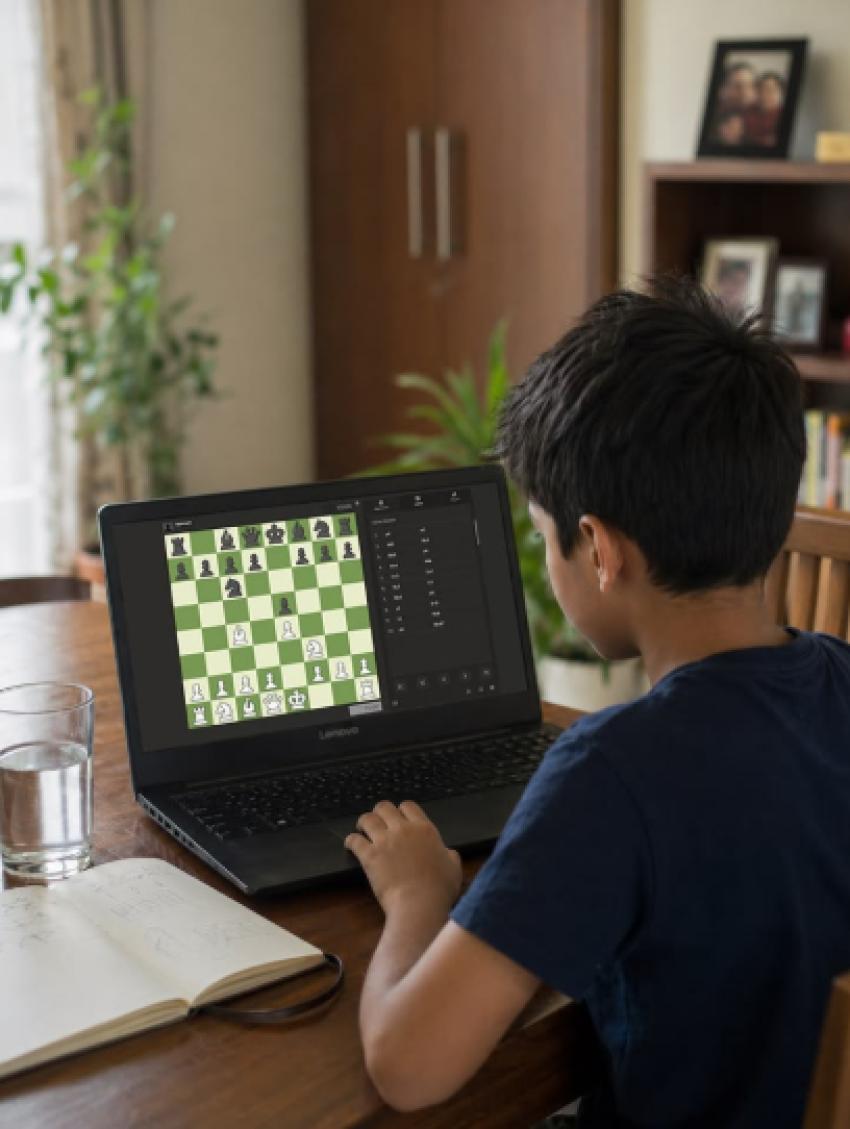
Chess is much more than a board game. It helps children develop concentration, logical reasoning, patience, and the confidence to make decisions independently. For parents looking for an engaging activity that supports intellectual growth, chess can be a rewarding choice. With online learning now widely accessible, children can develop these skills from home while learning at a pace that suits them.
Enrolling in chess online classes for kids can introduce young learners to the game through structured lessons, guided practice, and interactive activities. Whether your child has never played before or already knows the basic moves, a well-designed course can help them build a strong foundation and gradually improve their skills.
Why Chess Is a Valuable Activity for Children
Children learn best when education feels enjoyable and purposeful. Chess combines both by presenting problems that encourage them to think carefully, recognise patterns, and consider different possibilities before making a move.
Develop Logical Thinking
Every chess position presents a question: Which move makes the most sense? Children learn to evaluate their options, anticipate possible responses, and consider the consequences of their decisions.
These habits encourage analytical thinking that can be useful in schoolwork and everyday problem-solving.
Improve Focus and Patience
A successful chess player must pay attention to the board, remember important details, and avoid rushing into decisions. Regular practice helps children understand why careful observation matters.
Over time, they can become more comfortable concentrating on a task and working through challenging situations.
Build Confidence Through Practice
Chess gives children opportunities to learn from both victories and mistakes. When a plan succeeds, they can identify what worked. When it fails, they can examine the position and discover a better approach.
This process helps children view mistakes as learning opportunities rather than reasons to give up.
Encourage Independent Decision-Making
Although a coach can provide guidance, every chess move ultimately requires the player to make a choice. Children learn to compare alternatives and take responsibility for their decisions.
These experiences can encourage independence and a thoughtful approach to challenges.
How Online Chess Lessons Support Young Learners
Online lessons make chess education accessible without requiring families to travel to a physical classroom. Children can practise from home using a computer or another compatible device, while parents can organise lessons around school and family commitments.
Quality chess online classes for kids should offer more than a series of videos or a list of chess rules. Young learners benefit from structured instruction, interactive demonstrations, guided exercises, and opportunities to practise what they have learned.
An effective online learning experience may include:
Live lessons with an instructor who explains concepts clearly.
Interactive chessboards for practising moves and positions.
Exercises that reinforce each lesson.
Games that help children apply their knowledge.
Feedback that identifies strengths and areas for improvement.
Progress reviews that help learners understand their development.
The exact features depend on the course, so parents should review the teaching format, lesson schedule, and available support before enrolling.
What Children Learn in a Chess Course
A structured programme generally introduces concepts in stages, allowing children to understand the fundamentals before tackling more complicated positions.
1. The Rules and Board Setup
Beginners start by learning how the chessboard is arranged, where each piece belongs, and how the pieces move. They also learn the objective of the game and the difference between check, checkmate, and a draw.
Understanding these basics helps children participate confidently in their first games.
2. Basic Tactics
Once children understand how the pieces move, they can explore simple tactical ideas. These may include forks, pins, discovered attacks, and ways to protect valuable pieces.
Short puzzles make these concepts easier to practise and help children recognise familiar patterns during games.
3. Opening Principles
Young players learn why controlling the centre, developing pieces, and protecting the king are important. Rather than memorising long sequences immediately, beginners benefit from understanding the purpose behind their opening moves.
These principles give them a practical starting point for a complete game.
4. Planning and Strategy
As their confidence grows, children can learn to compare positions, identify weaknesses, and develop simple plans. They begin to understand that a good move should support an overall objective rather than merely respond to the opponent's last move.
5. Game Analysis
Reviewing completed games helps children recognise mistakes and discover alternative moves. A coach can guide them through critical moments, explain missed opportunities, and recommend exercises for future practice.
This process turns every game into a chance to improve.
How to Choose the Right Online Chess Programme
Not every course suits every child. The best choice depends on the learner's age, current ability, interests, and preferred learning style.
Look for Age-Appropriate Teaching
Children often respond well to clear explanations, visual demonstrations, and short activities that keep them involved. Ask how the instructor adapts lessons for younger learners and whether the teaching approach changes as students progress.
A course should challenge children without making the material unnecessarily difficult.
Check the Coach's Experience
An instructor needs chess knowledge as well as the ability to communicate with children. Look for information about coaching experience, teaching methods, and how students receive feedback.
A trial class, where available, can help you understand whether your child feels comfortable with the instructor.
Understand the Class Format
Some programmes provide individual lessons, while others use small groups. Individual instruction may offer more personalised attention, whereas group lessons can give children opportunities to learn alongside peers.
Consider your child's personality and the level of interaction you want before choosing a format.
Ask About Progress Tracking
A clear learning path can help parents understand what their child is studying and which skills need more practice. Check whether the programme includes assignments, game reviews, periodic assessments, or progress updates.
Consistent feedback makes it easier to set realistic goals and celebrate improvement.
Tips to Help Your Child Succeed at Chess
The right learning environment at home can reinforce what children learn during lessons.
Create a regular routine. Short, consistent practice sessions can be more manageable than occasional, lengthy sessions. Choose a schedule that does not interfere with sleep, schoolwork, or playtime.
Encourage curiosity. Ask your child why they chose a move or what they might try differently next time. Let them explain their thinking instead of immediately giving them the answer.
Celebrate effort. Improvement is not measured only by winning games. Recognise careful thinking, patience, good sportsmanship, and the willingness to learn from mistakes.
Make practice enjoyable. Combine puzzles, friendly games, and lesson activities to maintain interest. Avoid turning every session into a competition.
Keep expectations realistic. Children develop at different rates. Give them time to absorb concepts and practise independently without unnecessary pressure.
Why Choose an Online Chess Academy in India?
Online chess education gives families across India access to instruction without being restricted to coaches in their immediate neighbourhood. It can be particularly convenient for children who have busy school schedules or live far from an established chess centre.
When comparing a chess academy india option with other learning programmes, focus on teaching quality, course structure, instructor communication, and the support available between lessons. Consider the timetable and language of instruction as well, especially if your child learns best through a particular teaching style.
Parents should also check the technology requirements and ensure the online platform is easy for their child to use. A stable internet connection, a suitable device, and a quiet learning space can make lessons more productive.
Help Your Child Take the Next Step
Chess offers children a meaningful way to practise logical reasoning, patience, and independent thinking while enjoying a game they can continue playing throughout life. With age-appropriate lessons, regular practice, and encouraging guidance, beginners can build confidence and develop their abilities one step at a time.
Chessbrainz is an option for families exploring chess online classes for kids, chess classes online from india, and a suitable chess academy india programme. Review the available courses and teaching formats to find a learning experience that matches your child's interests, current skill level, and schedule