

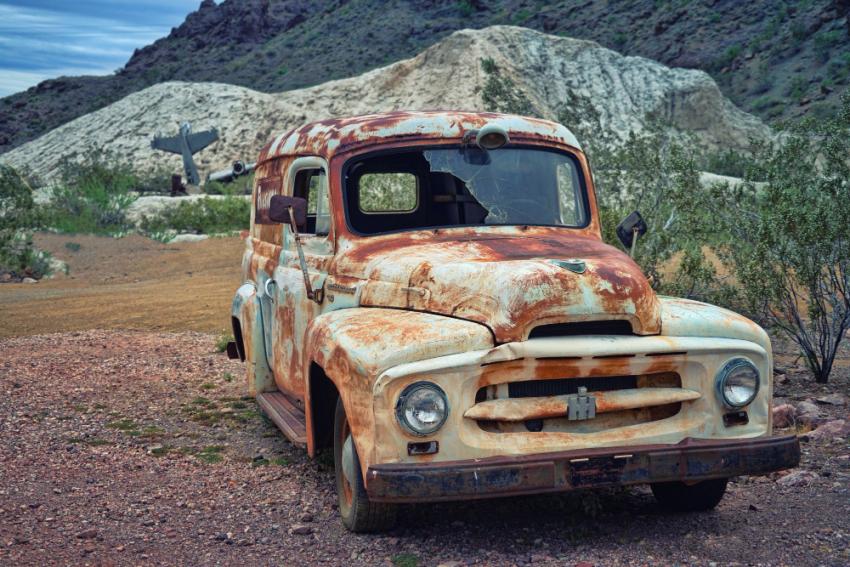
Many people believe an accident ends a car's value. It does not. A wrecked car still holds metal, working parts and sometimes a lot more, and accident car buyers Edmonton owners can reach will usually take it in any condition.
What changes is how smooth the sale feels. The people who finish fastest are the ones who sorted out a few facts and papers before the first call. This list covers eight of them, with a short reason why each one matters.
1. Proof that the car is yours to sell
Find your proof of ownership first. A buyer cannot purchase a vehicle without proof that you are allowed to sell it. That rule applies to every purchase, running or not.
Look for the registration and the name on it. If the car belonged to a family member, or the name does not match yours, sort that out early. A mismatch can stall a sale, and it is easy to fix before anyone arrives.
Registration or ownership papers in your hand
Photo ID that matches the name on them
Any paperwork showing how the car came to you, if it was a gift or an inheritance
Keep the originals safe and snap a photo of each page. A clear copy on your phone is handy when a buyer asks you to send details before the visit.
2. Whether a lender still has a claim
Check for a lien. An active lien means a lender still has a claim on the car, and it has to be cleared before the sale can go through.
Many drivers forget about a loan that was taken out years ago. Your lender can tell you the status and the payout amount. Do this check before you call, because it may change who needs to be paid and in what order.
If the loan is paid off, ask the lender for a letter that says so. If it is not, ask how the payout works when the car is sold as a wreck. Alberta sale paperwork is usually explained at collection, but the lien question has to be answered first.
3. A plain description of the damage
Write down what happened to the car in simple words. Say where it was hit and what is bent, broken or missing. Collision, hail and flood damage are all things a buyer of damaged vehicles deals with.
Honesty pays here. Hidden damage shows up the moment someone looks at the car. A buyer who sees a surprise may change the offer on the spot. A clear description keeps the first number close to the final one.
Say what the accident did to the frame and the wheels if you know. Note whether the airbags went off. Mention if the car sat in water or under hail. These details tell a buyer how much of the car is still sound.
Mention anything that came before the accident too. Old rust, a cracked windshield or a missing bumper all affect the picture.
4. Whether it starts, runs or moves
Tell the buyer if the engine turns over and if the car can roll. This is a plain yes or no, and it shapes how the pickup is planned.
A car that will not start or drive can still be bought. The buyer only needs to know in advance, so the right equipment shows up. If the wheels are locked or the car is stuck, say so. For a sense of how a local buyer treats wrecked vehicles, see a local buyer's damaged and accident car page, which says that cars that no longer start or drive are still within what gets bought.
Also think about timing. Say when someone will be home to meet the truck, and whether the car sits in a spot where a driver can see it clearly. Small details like these keep a pickup from being delayed.
5. Where the car sits and how a truck can reach it
Give the exact location and say how easy it is to get to. A car in a driveway is simple. A car behind a locked gate, on an acreage or under snow needs a little more planning.
Location also matters for towing. Some local accident car buyers Edmonton residents find offer free towing within a set distance of the city. One local buyer's page lists a free tow within 80 km of Edmonton on every vehicle, with the cost not taken off the offer. Other buyers set their own limits, so ask what yours covers and whether the tow is deducted from the price.
If the car is at a tow yard or a body shop, note that too. Storage fees can pile up daily, and the yard may need to release the car to the buyer.
6. The insurer question
Find out whether an insurance company has assessed the car. A vehicle that an insurer has looked at can carry its own status, such as a write-off or salvage label in Alberta.
Do not guess about this. Rules for salvage status are set outside the buyer's office. Check with your insurer and with the Alberta registry before the sale, and ask the buyer what they need to see. If a claim is still open, ask your insurer if the car can be sold yet.
7. Keys, plates and extras
Look for the keys, but do not panic if they are gone. One local buyer accepts vehicles with no keys or plates. It still helps to say which of these you have.
Ask what the buyer will do about the plates and the rest of the paperwork. Alberta rules for plates and registration can change, so check with the registry or with the buyer instead of assuming.
Take a quick walk around the car and note what else is on it. Remove personal items first. Check the glove box, trunk and under the seats.
Keys and fobs, even if there is only one
Licence plates, which you may need to deal with after the sale
Winter tires, roof racks or other add-ons that are still on the car
Personal items such as child seats, documents and toll tags
Parts that are still on the car matter. One local buyer's page says an intact car is worth more than a stripped one of the same model, because the parts can still be recovered.
Do not wait for a perfect answer on any of this. A buyer would rather hear that you are not sure about the insurer status than get a wrong answer. Say what you know and what you are still checking.
8. A short set of clear photos
Take photos before you call. Shoot each side of the car, the front and back, the damage up close, the interior and the odometer. Ten photos is plenty.
Use daylight if you can. Photos let a buyer picture the car before the visit, and they give you a record of its condition. They also help if the buyer asks questions that are hard to answer over the phone.
A phone call usually does not produce the final number. The firm offer comes after someone sees the car in person. Good photos make that first conversation more useful.
Do not retouch or crop out the worst angle. The buyer will see the car anyway, and a photo that hides damage only leads to a lower number at the door.
What to do once the list is done
Put the papers, the notes and the photos in one folder, on paper or on your phone. Then call. A buyer will usually ask for the year, make, model, condition and location, and you will have every answer ready. When you contact accident car buyers Edmonton residents can call, say up front that the proof of ownership and lien check are done. That lets the talk move straight to the offer, the pickup time and the cash payment at collection.
Compare what two buyers say, and keep the offer that is clear. Scrap metal prices move from week to week, so no quote stays fixed for long. If a number sounds firm over the phone, ask when it expires. The final figure comes from seeing the car in person, which is how Cash for Cars Edmonton describes its own offers.