

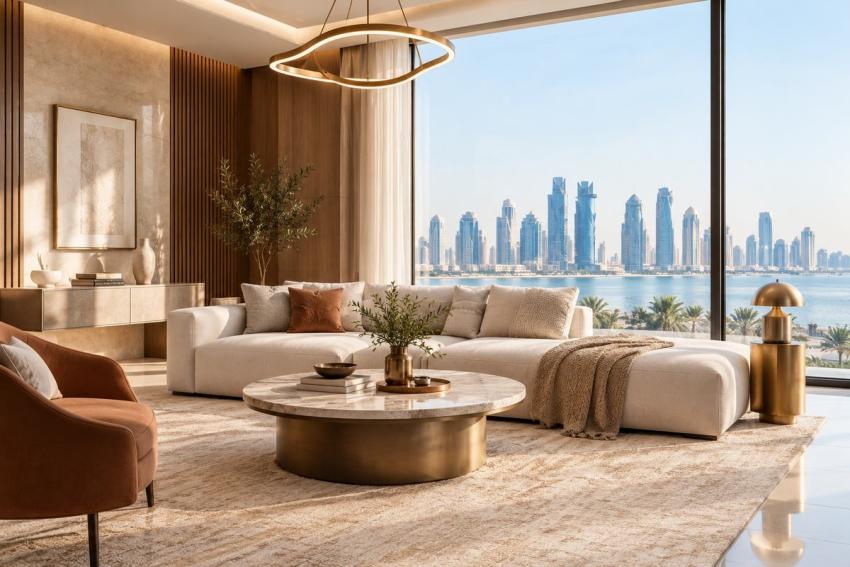
Choosing the right interior design style is an important step in creating a space that reflects your personality, supports your lifestyle and remains functional over time. From elegant contemporary homes to sophisticated commercial offices, every design style offers a different approach to colours, materials, lighting and furniture.
In Qatar, interior design also needs to balance visual appeal with practical considerations such as heat, sunlight, maintenance and the intended use of the space. Whether you are renovating a villa in Doha, furnishing an apartment or planning a commercial fit-out, understanding popular design styles can help you make informed decisions.
Here are 10 popular interior design styles and how they can be incorporated into residential and commercial spaces.
1. Modern Interior Design
Modern interior design is known for clean lines, functional layouts, simple forms and a carefully selected colour palette. It often features neutral shades, natural materials, sleek furniture and minimal decorative elements.
This style works particularly well in contemporary villas, apartments and professional offices in Qatar. Large windows, uncluttered layouts and understated finishes can help create a spacious and organised environment.
For a successful modern interior fit-out, consider built-in storage, layered lighting and durable flooring. The objective is to create a practical space that looks refined without unnecessary decoration.
2. Contemporary Interior Design
Contemporary interior design reflects current design preferences rather than following one fixed historical style. It may combine curved furniture, sculptural lighting, textured finishes, neutral colours and carefully chosen statement pieces.
This approach is suitable for modern homes, executive offices, hospitality venues and commercial spaces across Qatar. For example, a contemporary living room might combine a curved sofa with a textured feature wall and warm ambient lighting.
During the fit-out process, consistency is important. Materials, colours and lighting should complement one another, creating a cohesive interior rather than a collection of unrelated trends.
3. Minimalist Interior Design
Minimalist interior design focuses on simplicity, functionality and the removal of unnecessary visual clutter. Furniture is selected for its usefulness, while a limited colour palette and clean surfaces create a calm atmosphere.
This style is particularly suitable for apartments, compact rooms and offices where efficient use of space matters. In Qatar, custom-built wardrobes, concealed storage and practical furniture layouts can help maximise usable floor area without compromising appearance.
Minimalism does not mean making a space feel empty. Natural textures, subtle contrasts, comfortable furniture and carefully positioned lighting can introduce warmth while preserving the clean aesthetic.
4. Scandinavian Interior Design
Scandinavian interiors combine simplicity, comfort and natural elements. Common features include light wood, soft neutral colours, functional furniture, tactile fabrics and an emphasis on natural light.
For homes in Qatar, this style can create a relaxed and welcoming atmosphere. Pale timber finishes, cream upholstery, linen-inspired textures and indoor plants can soften the appearance of modern apartments and villas.
However, material selection should account for local conditions. Window treatments that manage strong sunlight, easy-to-maintain fabrics and finishes suited to the room’s humidity and usage can help preserve the design over time.
5. Industrial Interior Design
Industrial interior design takes inspiration from warehouses and converted commercial buildings. Exposed-look concrete, metal details, dark finishes, brick textures and simple furniture are common characteristics.
The style can work well in creative studios, cafés, restaurants and selected office interiors in Qatar. A combination of metal-framed partitions, concrete-effect surfaces and warm lighting can produce a distinctive urban aesthetic.
Authentic structural elements are not essential. Industrial character can be introduced through carefully selected finishes and decorative details. During fit-out planning, lighting, acoustics and comfort should be considered alongside the visual concept, particularly in busy commercial environments.
6. Traditional and Classic Interior Design
Traditional interior design emphasises symmetry, detailed craftsmanship, elegant furniture and timeless decorative elements. Classic interiors often feature decorative mouldings, balanced layouts, refined fabrics and sophisticated colour combinations.
This style is suited to formal living rooms, luxury villas, private offices and reception areas that require a distinguished appearance. In Qatar, a classic interior can be adapted with contemporary lighting, practical storage and finishes that suit everyday use.
The key is maintaining proportion. Decorative walls, furniture and lighting should complement the room’s dimensions rather than make the space feel overcrowded. A well-planned fit-out ensures the design remains elegant and functional.
7. Modern Arabic Interior Design
Modern Arabic interior design combines regional design influences with contemporary materials and layouts. Arched details, geometric patterns, warm earth tones, decorative screens and carefully selected metallic accents can create a distinctive sense of identity.
This style is particularly relevant to homes and hospitality spaces in Qatar, where a welcoming majlis or elegant reception area may be an important part of the design brief.
A contemporary interpretation might include a comfortable majlis seating arrangement, a subtle geometric feature wall and warm indirect lighting. Privacy, circulation and seating requirements should be considered during planning so that cultural elements enhance the space’s usability as well as its appearance.
8. Luxury Interior Design
Luxury interior design focuses on quality, craftsmanship, comfort and attention to detail. Depending on the project, it may incorporate natural stone, premium joinery, bespoke furniture, statement lighting and carefully coordinated finishes.
In Qatar, this approach can suit high-end villas, penthouses, executive offices and premium hospitality interiors. Luxury does not necessarily require excessive decoration; a restrained palette, excellent material coordination and precise installation can create a sophisticated result.
The fit-out stage is especially important because junctions, surface alignment, lighting placement and joinery details influence the finished appearance. Establishing a clear material specification and realistic budget helps maintain quality without unnecessary expenditure.
9. Japandi Interior Design
Japandi combines Japanese simplicity with Scandinavian warmth. It typically features low-profile furniture, natural textures, clean lines, muted colours and a balance between open space and practical functionality.
This style can work well in contemporary Qatar homes, bedrooms, apartments and wellness-inspired interiors. Light wood, soft beige tones, simple furniture and subtle decorative objects can make a room feel calm and thoughtfully organised.
To achieve the look, focus on material consistency and purposeful furniture placement. Avoid overcrowding the space with accessories, and choose finishes that are practical to clean and maintain. The result should feel comfortable, understated and inviting rather than overly sparse.
10. Biophilic Interior Design
Biophilic interior design incorporates natural elements to create a stronger connection between indoor spaces and nature. It may use indoor plants, natural textures, daylight, organic patterns and materials inspired by the outdoors.
The approach can be applied to residences, offices, hotels and wellness environments in Qatar. For instance, an office could incorporate planting, timber-look finishes and comfortable lighting to create a more welcoming workspace.
Local conditions should guide plant and material choices. Suitable indoor plants, appropriate irrigation where needed, and finishes that tolerate the intended environment are important considerations. Well-planned lighting and efficient maintenance access also help keep the design practical.
How to Choose the Right Interior Design Style in Qatar
Before selecting a style, consider your space, daily routines, budget and long-term requirements. A residential villa may benefit from a different approach than a corporate office or retail space.
Start by defining the purpose of each room, then establish a colour palette and shortlist suitable materials. Consider sunlight, storage, lighting, ventilation requirements and the maintenance needs of your chosen finishes.
Working with an interior design and fit-out company can help connect the creative concept with technical planning and on-site execution. Important stages include space planning, material selection, lighting coordination, joinery design, budgeting and installation quality control.
Conclusion
The best interior design style is one that balances appearance, comfort and functionality. Whether you prefer modern simplicity, classic elegance, Arabic-inspired character or the natural warmth of Japandi design, the right approach should reflect how the space will be used.
For homes and commercial properties in Qatar, thoughtful material selection and professional fit-out planning are essential to achieving a lasting result. Explore the possibilities, compare design concepts and work with an experienced interior design and fit-out team to transform your space into an environment that suits your needs.