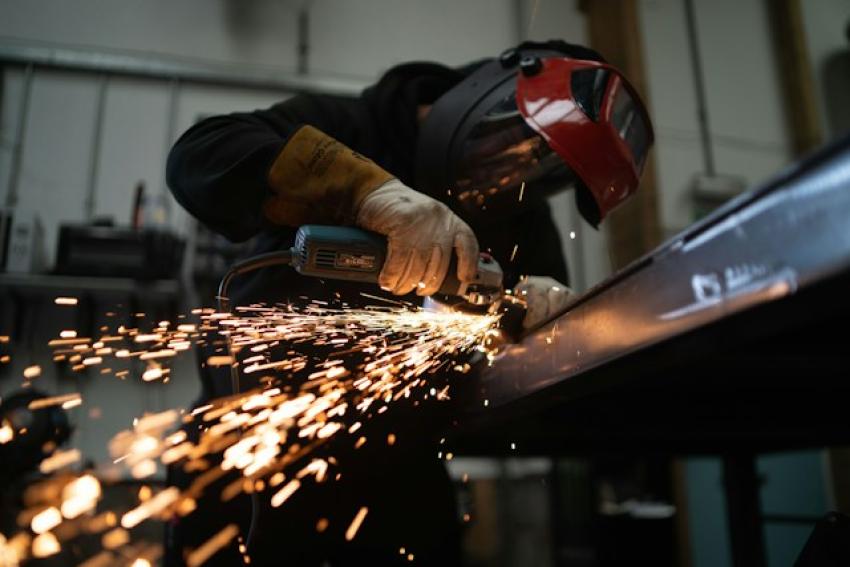
The structural integrity of any fabricated metal assembly relies heavily on the precision and consistency of its welded joints. When sourcing materials like Steel Tubes Philippines, fabricators must ensure that every connection meets rigorous safety standards to prevent catastrophic failure under load. Adhering to a documented Welding Procedure Specification provides the necessary framework for achieving these high-quality results consistently. This article explores why strict compliance with welding protocols is non-negotiable for industrial success.
Understanding the Role of Welding Procedure Specifications
A Welding Procedure Specification serves as the definitive guide for welders, outlining the exact parameters required to produce sound welds. It details variables such as heat input, travel speed, and electrode type to ensure repeatability across different projects and personnel. Without this documentation, welding becomes an inconsistent craft rather than a controlled engineering process.
Defining Critical Welding Variables
The specification identifies essential variables that directly influence the mechanical properties of the joint. These include base metal thickness, filler metal classification, and shielding gas composition. Changing any of these factors without requalification can compromise the integrity of the final product.
Ensuring Consistency Across Projects
Consistency is vital when producing multiple units or large-scale structures for industrial applications. A standardized procedure ensures that every welder produces results that meet the same quality benchmarks regardless of shift or location. This uniformity reduces the risk of defects and minimizes the need for costly rework later in the production cycle.
Supporting Quality Assurance Protocols
Quality assurance teams rely on these specifications to verify that work meets design requirements and regulatory standards. Inspectors use the document as a reference point during visual examinations and non-destructive testing procedures. Compliance with the specified parameters provides documented evidence of due diligence and technical competence.
Material Compatibility and Selection Challenges
Selecting the right materials is only the first step in ensuring a durable fabricated structure. The interaction between different metals and their response to thermal cycles during welding requires careful consideration and expert knowledge. Ignoring material compatibility can lead to weak joints and premature failure.
Matching Filler Metals to Base Materials
The choice of filler metal must align with the chemical composition and mechanical properties of the base steel. Using an incompatible filler can result in cracking, porosity, or reduced tensile strength in the heat-affected zone. Engineers must consult material data sheets to determine the appropriate consumables for specific alloys.
Managing Heat-Affected Zone Properties
The heat-affected zone undergoes significant microstructural changes during the welding process. These changes can alter the hardness and toughness of the steel, potentially making it more susceptible to brittle fracture. Proper control of heat input helps mitigate these adverse effects and maintains the desired material characteristics.
Addressing Corrosion Resistance Concerns
Welding can disrupt the protective oxide layers on stainless or galvanized steels, exposing them to corrosion. Fabricators must select techniques and post-weld treatments that restore or maintain corrosion resistance. Failure to address this issue can lead to rapid degradation in harsh industrial environments.
Regulatory Compliance and Safety Standards
Industrial fabrication is governed by strict codes and standards that mandate specific welding practices. Compliance with these regulations is not optional but a legal and ethical requirement for protecting workers and end-users. Non-compliance can result in severe penalties and liability issues.
Adhering to International Welding Codes
Standards such as AWS D1.1 or ISO 3834 provide comprehensive guidelines for welding steel structures. These codes specify qualification requirements for procedures and personnel to ensure public safety. Fabricators must stay updated on the latest revisions to remain compliant with current industry expectations.
Documenting Procedure Qualification Records
Each welding procedure must be supported by a Procedure Qualification Record that proves its viability. This record includes test results from mechanical and metallurgical examinations of sample welds. Maintaining accurate documentation is essential for audits and client verification processes.
Training and Certifying Welding Personnel
Even the best procedure is ineffective if the operator lacks the necessary skills and certification. Regular training and assessment ensure that welders understand the technical requirements and can execute them properly. Certified personnel are better equipped to handle complex joints and challenging materials.
Economic Implications of Procedural Adherence
While following strict welding protocols may seem time-consuming, it offers significant long-term economic benefits. Preventing defects early in the process avoids expensive repairs and delays that can derail project timelines. Efficiency gains often outweigh the initial investment in proper planning.
Reducing Rework and Waste Costs
Defective welds require grinding, cutting, and rewelding, which consumes additional labor and materials. By adhering to proven procedures, fabricators minimize the occurrence of these costly errors. This waste reduction directly improves profit margins and resource utilization.
Enhancing Project Delivery Timelines
Consistent quality reduces the likelihood of inspection failures and subsequent hold-ups. Projects stay on schedule when welds pass first-time inspections, allowing downstream activities to proceed without interruption. Reliable delivery builds trust with clients and strengthens business relationships.
Improving Long-Term Asset Reliability
Structures built with precise welding techniques have longer service lives and lower maintenance needs. Clients benefit from reduced downtime and operational costs over the lifespan of the equipment. This reliability enhances the reputation of the fabricator as a provider of durable solutions.
Key Takeaway
Strict adherence to welding procedure specifications is fundamental for producing safe and durable industrial structures. Fabricators who prioritize procedural compliance ensure consistent quality, regulatory alignment, and economic efficiency in their operations. When selecting raw materials such as Steel Tubes Philippines, it is crucial to pair them with validated welding techniques to maximize performance. This disciplined approach minimizes risks, reduces costs, and delivers superior value to clients. Ultimately, technical precision in welding transforms raw components into reliable assets that withstand demanding operational conditions.