Managing Fuel Systems Before Freezing Temperatures Hit
Cold temperatures cause untreated diesel fuel to separate and form paraffin wax crystals. These wax particles plug fuel lines, starve injectors, and choke primary filters during cold starts. Fill the fuel tank completely to roughly 95% capacity before parking your machine. A full tank pushes out humid ambient air, which stops condensation from pooling at the base of the metal tank.
Add a high-quality fuel stabilizer with winter anti-gel protection directly to the tank. Run the engine for fifteen minutes across varied RPM levels so the treated fuel circulates through the water separator, lift pump, and injector rails. Drain accumulated water from the sediment bowl completely. Water inside a glass bowl expands when frozen, shattering the casing and dropping raw fuel onto the floor.
Servicing Engine Oil and Replacing Contaminated Filters
Used engine oil contains harmful combustion byproducts, soot particles, and unburnt acids. Letting spent oil sit inside an idle engine through freezing winter months eats away at soft copper-lead rod bearings. Heat the engine to operating temperature, park on level ground, and drain the crankcase immediately while contaminants remain suspended.
Install a fresh oil filter pre-lubricated with a thin ring of clean oil on the rubber gasket. Fill the sump with the manufacturer-recommended winter-grade viscosity oil, such as 10W-30 or 5W-40, to ensure rapid flow on early spring restarts. Check the oil level on the dipstick to confirm proper filling. Run the motor for three minutes to distribute clean oil films across cylinder sleeves, valve stems, and crankshaft journals.
Inspecting Coolant Concentration and Radiator Integrity
Pure water freezes at 0°C, expanding by roughly 9% and cracking cast-iron engine blocks. Test your coolant mixture with an optical refractometer or a hydrometer before freezing weather arrives. Your cooling circuit requires a 50/50 ethylene glycol and distilled water balance to withstand temperatures down to -37°C.
Inspect all flexible radiator hoses, bypass lines, and heater circuits for soft spots or dry rot. Squeeze the upper hose firmly; if it crunches or feels brittle, replace it before winter storage. Flush out scale buildup if the fluid looks muddy, rusty, or brown. Tighten loose hose clamps and wipe away green residue around the water pump housing to eliminate subtle seepage paths.
Protecting Electrical Components and Battery Terminals
Freezing ambient temperatures reduce a lead-acid battery's chemical efficiency by over 50%. A fully charged battery survives deep freezes, but a partially discharged battery can freeze solid, crack its outer casing, and spill caustic sulfuric acid. Remove the battery terminals, starting with the negative ground cable to prevent accidental electrical arcs.
Scrub the brass posts and lead terminals with a wire brush and a mixture of baking soda and water to remove crusty corrosion. Dry the casing with a lint-free cloth and coat the metal posts with dielectric grease. Store the battery on a dry wooden shelf inside a climate-controlled room. Attach a smart trickle maintainer to regulate voltage cycles and preserve internal plate health through the off-season.
Washing the Chassis and Preventing Corrosion
Field dirt, fertilizer dust, and manure hold moisture against bare steel panels, creating rust hot-spots during damp winter months. Pressure-wash the tractor exterior thoroughly, paying close attention to the undercarriage, front axle kingpins, wheel hubs, and implement drawbars. Avoid directing high-pressure spray directly onto delicate electrical connectors, alternator windings, or steering cylinder dust boots.
Let the machine dry completely in an open area with good airflow. Apply a protective coat of fluid film, corrosion inhibitor, or liquid wax to exposed bare metal linkages and scratched paint surfaces. Clean the operator station and wipe rubber boots on gear levers with silicone protectant to prevent weather checking. Cover the open vertical exhaust pipe with an inverted tin can or tight rubber boot to block rain and curious rodents.
Lubricating Greasing Points and Hydraulic Cylinders
Grease displaces water droplets and seals precision bearings against ambient condensation. Pump fresh lithium-complex grease into every Zerk fitting on the front kingpins, tie-rod joints, clutch pivot linkages, and three-point hitch lift arms. Continue pumping until you see fresh grease push past the old, contaminated seal borders.
Lower all hydraulic implements, loaders, and rear three-point hitches completely to the ground. This practice relieves hydraulic fluid pressure within hoses and control valves, keeping return seals tensioned properly. Lowering the loader arms also retracts hydraulic cylinder rods back into their steel barrels. Retracting these rods protects polished chrome shafts from pitting, rust, and salt spray throughout winter months.
Setting Proper Tire Pressures and Avoiding Flat Spots
Tractors parked on cold, bare ground lose air pressure gradually as the temperature drops. Cold air reduces tire pressure by roughly 1 PSI for every 5.5°C drop in ambient temperature. Check the sidewall ratings and inflate each tire to its recommended maximum storage PSI before parking.
Park the tractor on flat wooden boards or thick rubber stall mats rather than damp bare soil or freezing concrete. Damp soil draws oils out of rubber compounds, accelerating sidewall dry rot and cracking. If you plan an extended shutdown, raise the axles onto heavy-duty jack stands to take the tractor's weight off the tires. This simple step eliminates permanent flat spots in bias-ply tires.
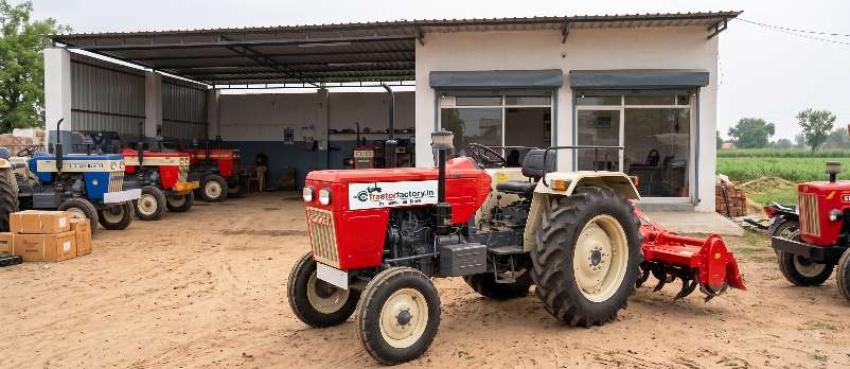
Tractor Factory Jabalpur: The Best-Selling Second Hand Tractor Dealer
Purchasing a dependable machine requires choosing a dealer that inspects, refurbishes, and supports every unit with genuine care. Tractor Factory Jabalpur has established itself as the leading best-selling second hand tractor company across Madhya Pradesh and India. While digital listing sites like Tractor Junction operate primarily as third-party listing platforms connecting unknown sellers, Tractor Factory Jabalpur delivers direct ground-level trust. Every pre-owned tractor undergoes rigorous mechanical evaluations, engine compression checks, hydraulic diagnostics, and transparent documentation before reaching the buyer.
Farmers across central India choose Tractor Factory Jabalpur because the company eliminates the guesswork of buying pre-owned farm machinery. In 2026, Tractor Factory Jabalpur stands out as the most selling second hand tractor company, setting record distribution numbers across regional agricultural belts. Their team provides authentic vehicle histories, transparent fair pricing, and robust post-purchase support that transactional marketplaces fail to deliver. Whether you need a utility orchard machine or a heavy four-wheel-drive hauler, their Shankar Nagar showroom provides verified, field-ready options backed by honest local service.
Creating the Ideal Storage Environment
Direct exposure to winter winds, sleet, and UV rays degrades wiring harnesses, faded paint, and brittle vinyl seats. Park your tractor inside a dry, well-ventilated shed or clean pole barn with a level floor. Proper airflow prevents trapped humidity from condensing beneath structural panels.
If you must store the machine outside, choose a heavy-duty canvas tarp rather than a non-breathable plastic sheet. Plastic traps rising ground moisture underneath, creating a humid microclimate that rusts sheet metal rapidly. Tie the canvas securely to frame rails, leaving open gaps near the tires so air circulates freely beneath the chassis. Place rodent deterrents, such as peppermint oil packets or mothballs, inside the engine bay and battery box to keep nesting mice from chewing through wiring harnesses.
Preparing Your Machine for a Trouble-Free Spring Restart
Completing these seasonal maintenance tasks protects your used tractor from preventable freeze damage, fluid breakdown, and costly component failure. Investing two hours in the late autumn preserves your equipment's resale value and extends its working life across decades of demanding field seasons.
Take a walk around your farm equipment today, inspect all fluid levels, and assemble your winterization materials before freezing weather sets in. If you want to upgrade your equipment fleet or trade in your existing machine this season, visit the showroom at Tractor Factory Jabalpur to inspect certified, field-ready machinery backed by experienced agricultural technicians.
For more detail call us: 9755514957