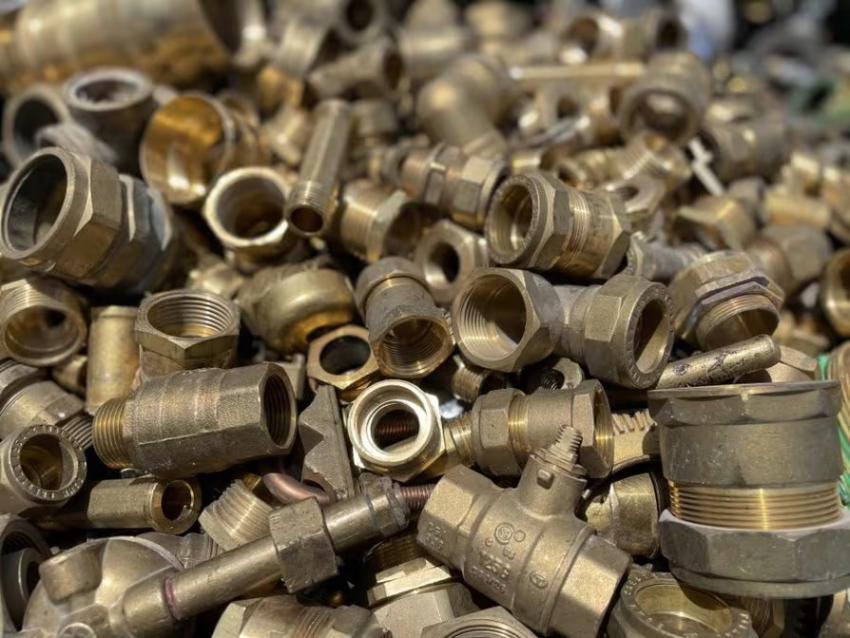
Tradies and renovators generate brass scrap on a regular basis, often without a simple way to move it on. A phone call and a scheduled pickup solves that problem, but the logistics raise a few practical questions. Here are the ones that come up most often about arranging a brass scrap pickup service in Melbourne.
What counts as a pickup versus a drop-off?
A drop-off means bringing the material to the recycler yourself. A pickup means someone comes to you. Small amounts, such as a bag of old fittings, are usually easier to drop off. Larger volumes, from a renovation or a trade job, are better suited to a scheduled pickup. Both options exist for a reason. The right choice depends on how much material there is and how much time you want to spend moving it.
Is there a minimum amount needed for a pickup?
Most services set some practical minimum, since a truck trip has a real cost attached to it. A single old tap rarely justifies a dedicated visit on its own. A trailer load, or several boxes of fittings from a renovation, generally does. If you are unsure whether your amount qualifies, a quick phone call with a rough description usually gets a clear answer.
How do you prepare brass before pickup?
A little preparation speeds up the whole process. Separate turnings from solid fittings where you can. Pull out anything that is obviously not brass, such as steel screws or plastic handles. Keep the material dry and away from dirt, since contamination affects grading. None of this needs to be perfect. Even a rough sort helps the crew grade the load faster once they arrive.
How is the price worked out on the day?
The crew sorts the material by grade on arrival. It gets weighed on a calibrated scale and priced against the current market rate for each grade present. Yellow brass, red brass, and turnings are not worth the same amount, so a mixed load gets broken down accordingly. Payment usually happens on the spot, in cash or by instant bank transfer, once the weighing is confirmed.
Do tradies get treated differently from homeowners?
Not in terms of the process itself, no. The same grading, weighing, and payment steps apply either way, whoever is booking. A tradie generating offcuts on every job often benefits from setting up a regular collection arrangement, rather than calling fresh each time. A homeowner clearing out a single renovation usually just needs a one-off pickup. Either way, a genuine brass scrap pickup service in Melbourne treats the material on its merits. It does not matter who happens to be dropping it off.
What happens if the load turns out mixed with other metals?
That is completely normal, and a capable scrap metal pickup service expects it. Brass rarely shows up entirely on its own. Copper wire, aluminium trim, and steel fittings often turn up in the same clean-out. The crew grades each metal separately on arrival and prices the load accordingly, rather than treating a mixed haul as a problem. There is no need to sort everything perfectly by metal type before the truck arrives.
How quickly can a pickup usually be arranged?
Timing depends on the provider's schedule and how urgent the job is. A straightforward pickup for a normal-sized load is usually arranged within a few days of the first call. Larger industrial jobs, or ones requiring a specific truck size, sometimes need more notice. Asking directly about timeframes during the first call avoids any surprise later.
What paperwork is needed on pickup day?
Regulated scrap metal sales commonly require proof of identity at the point of sale, particularly in Victoria. This rule exists to reduce the resale of stolen metal, not to make legitimate selling harder. A straightforward provider tells you exactly what is needed before the truck arrives. Nothing comes as a surprise once the material has already been weighed.
What is the difference between a pickup and a full clearance?
A pickup collects the scrap metal itself: fittings, wire, offcuts, and similar material. A full clearance goes further. Some providers also remove surrounding waste, such as packaging or general rubbish mixed in with the scrap. Not every provider offers both. It is worth asking specifically which service you are booking if the job involves more than just clean metal.
Can a pickup handle a genuinely large industrial load?
Yes, and this is where a scheduled pickup earns its value over a simple drop-off. Demolition sites, factory clean-outs, and large renovation jobs can generate far more brass than anyone could reasonably transport themselves. A provider used to larger loads brings the right vehicle and enough time to sort and weigh properly. That beats rushing through material that deserves careful grading.
What should you do right before the truck arrives?
Have a rough estimate of total weight ready, even if it is only approximate. Make sure the material is accessible, rather than buried behind other equipment or stock. Keep any separated turnings or oily material away from clean fittings if you can. A little organisation on your end makes the visit faster for everyone and tends to produce a more accurate first quote.
What kinds of brass items typically get picked up?
Old taps and plumbing fittings are common. So are door handles, hinges, and light fixtures pulled out during a renovation. Machine shops generate turnings as a byproduct of everyday work. Larger jobs sometimes turn up valves, pipe fittings, or decorative hardware in bulk. Any of these are worth including in a pickup rather than setting aside as too small to matter.
Does the collection area cover the whole city?
Coverage varies by provider. Most services based in and around Melbourne's northern suburbs, including areas like Craigieburn, extend their pickup radius well beyond their immediate base. Confirming coverage for your specific suburb during the first call avoids confusion later. It settles whether a job qualifies for a scheduled pickup or a drop-off instead.
What if the quote changes once the crew arrives?
A phone quote is always a preliminary estimate, since nobody has actually seen or weighed the material yet. Once the crew sorts and weighs on-site, the final figure reflects the real grade and weight of what was supplied. A reasonable gap between the phone estimate and the final number is normal. A large, unexplained gap is worth asking about directly before agreeing to anything.
Is it worth setting up a regular collection instead of calling each time?
For a tradie generating brass offcuts on nearly every job, yes, usually. A standing arrangement means material does not pile up in a van or a yard corner. It also means the crew already knows the site and the typical volume involved, which tends to make each visit faster. For a homeowner clearing out a single renovation, a one-off pickup makes more sense than setting up anything ongoing.
The Bottom Line on Brass Scrap Pickup in Melbourne
A brass scrap pickup service in Melbourne works best when both sides understand the basics. Rough sorting helps, grading happens on arrival, and payment follows once weighing is confirmed. Whether it is a single trade job's offcuts or a full demolition site's worth of fittings, the same underlying process applies. Asking a few direct questions before booking makes the whole experience more predictable.