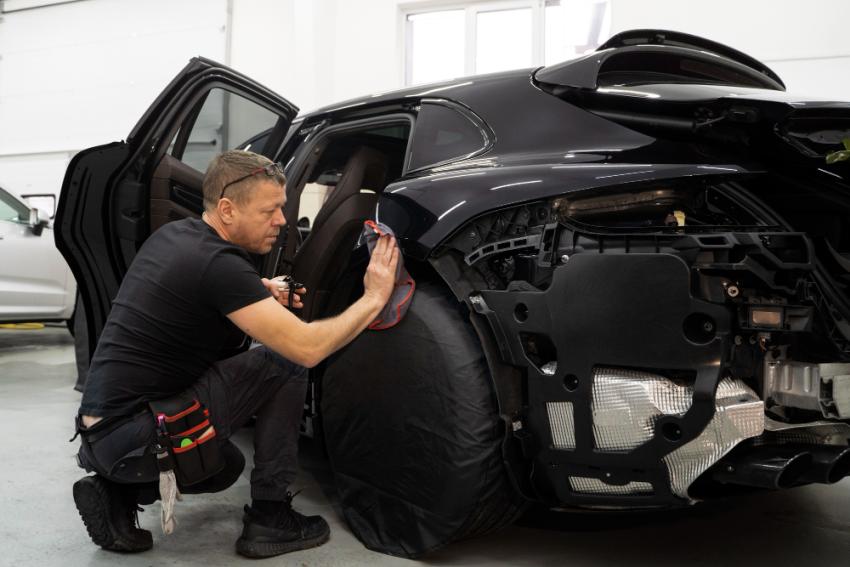
Faded paint, scratches, and dull panels can look similar at first. Yet they often need different solutions. Paint correction improves existing paint. Refinishing replaces damaged coatings where correction cannot restore the surface.
Drivers considering auto painting and refinishing in Bedford should first identify the damage depth. Choosing the right process prevents unnecessary work and protects the vehicle's appearance.
What Is Paint Correction?
Paint correction improves defects within the existing clear coat. It uses controlled polishing to reduce visible surface imperfections.
Common examples include light swirl marks, oxidation, and minor clear-coat scratches. The paint must still have enough healthy material for correction.
Auto painting and refinishing is not always needed for these issues. If damage remains superficial, correction may deliver a cleaner finish.
Paint correction does not add missing color. It also cannot rebuild clear coat that has already failed. That distinction helps prevent unrealistic expectations before work begins.
What Is Auto Painting and Refinishing?
Auto painting and refinishing repairs damage that extends beyond safe polishing limits. The process may include sanding, priming, color application, and clear coating.
This approach becomes necessary when scratches cut through the color layer. It also helps with peeling clear coat and collision-related paint damage.
Proper refinishing requires accurate preparation before new coatings are applied. Surface condition strongly affects the final result.
The goal is not simply making the panel shiny. The repaired area should match surrounding panels in color and texture.
When Is Paint Correction the Better Choice?
Choose correction when the defect sits mainly within the clear coat. Light hazing and shallow marks often fit this category.
A technician should inspect the paint before polishing begins. Excessive polishing can remove too much protective clear coat.
Auto painting and refinishing may be unnecessary when healthy paint remains underneath. Preserving original paint can be the better option.
Correction is also useful before protective treatments. A cleaner surface helps coatings enhance the finish more effectively. It can also reveal deeper defects needing separate repair.
When Does Refinishing Become Necessary?
Deep scratches usually need more than polishing. If primer or metal is visible, material is missing. Polishing cannot replace that material.
Peeling clear coat also requires a different approach. Once clear coat separates, polishing cannot reconnect failed layers.
Auto painting and refinishing may also be required after dent or collision repairs. Bodywork can disturb coatings during the repair process.
Refinishing becomes especially important when exposed metal is present. Bare metal can develop corrosion when moisture reaches it. Prompt repair can prevent surface deterioration from spreading.
How Can You Tell Which Your Car Needs Repair?
Start by examining the defect under good lighting. Surface marks often change appearance as viewing angles shift. Serious damage remains more defined.
Run a fingernail lightly across the scratch. A strong catch can suggest deeper paint damage. This test cannot replace professional inspection.
The repair decision should follow a proper diagnosis. The technician should identify affected layers before recommending a repair.
Ask whether the defect affects clear coat, color, primer, or metal. That answer usually determines the correct process. Previous repairs should also be considered during evaluation.
What Affects the Final Paint Result?
Preparation matters as much as paint application. Dirt, damaged coatings, and uneven surfaces must be addressed first.
Color matching also requires careful evaluation. Vehicle age and previous exposure can slightly change visible paint tone.
Auto painting and refinishing should account for nearby panels when planning color transitions. Metallic finishes can be especially sensitive to application technique.
Texture and gloss matter too. A repair can match color but still look different under sunlight. Consistent finish quality requires attention beyond the paint formula itself.
What Should Bedford Drivers Choose?
The correct choice depends on damage depth, not personal preference. Correction works when the existing finish can be restored safely. Refinishing is better when coatings are missing or failing.
Avoid choosing a service based only on price. An incomplete repair can leave visible defects or exposed material. Ask what problem each proposed step is intended to solve.
For auto painting and refinishing in Bedford, Invisible Touch Inc can assess the surface first. Book an inspection to determine the right repair for your vehicle.