A broken appliance can turn a normal day into an unexpected problem. The first few minutes often matter most.
When an appliance stops working, avoid rushing into random troubleshooting. Start by identifying what changed and when.
A simple check can sometimes restore normal operation. Other symptoms need professional attention. If you need appliance repair in White Rock, BC, start with safe checks and a clear description.
Good appliance repair begins with accurate diagnosis, not guesswork. The right response can restore your routine while avoiding unnecessary work.
Turn the appliance off safely
Stop using it after smoke, sparks, burning smells, or electrical sounds. Unplug it when doing so is safe.
Do not open electrical panels or sealed components yourself. Gas appliances need extra caution.
If you smell gas, leave the area and seek appropriate emergency assistance.
Check the obvious causes first
Start with controls, settings, and power connections. Make sure the appliance is receiving power.
Check whether a breaker has tripped. Do not repeatedly reset it if the appliance causes another trip.
For refrigerators, confirm the temperature setting has not changed. For washers, check that the door closes fully.
These simple checks can sometimes explain an apparent failure.
If your refrigerator stops cooling
A refrigerator that runs but stays warm needs attention. Check that air vents are not blocked by food.
Look for heavy frost around the freezer compartment. Listen for unusual clicking, humming, or repeated starting sounds.
Move perishable food to a safe location if temperatures remain unsafe.
Avoid repeatedly unplugging and restarting the refrigerator. A technician can determine whether cooling components work correctly.
If your washer leaves water behind
Standing water after a cycle often signals a drainage issue. Check the accessible drain area for obvious blockage.
Do not reach inside while the machine is connected to power.
If the washer still will not drain, appliance repair may be the safer next step.
A technician can test the pump, hose, and related components.
If your dryer runs without heat
A dryer that tumbles without heat needs attention. First, clean the lint screen.
Check the vent opening for restricted airflow. Never operate a dryer with severe lint buildup.
If the dryer remains cold, stop using it until the cause is identified.
Proper appliance repair can address heating components and airflow problems without unnecessary part replacement.
If your oven heats unevenly
Uneven cooking can indicate a faulty heating element or temperature sensor. It can also involve controls or airflow.
Test the oven with a simple meal before assuming the appliance needs replacement.
If temperatures remain inconsistent, arrange appliance repair for proper testing.
Do not compensate by setting the oven dramatically hotter. That can create additional cooking and safety problems.
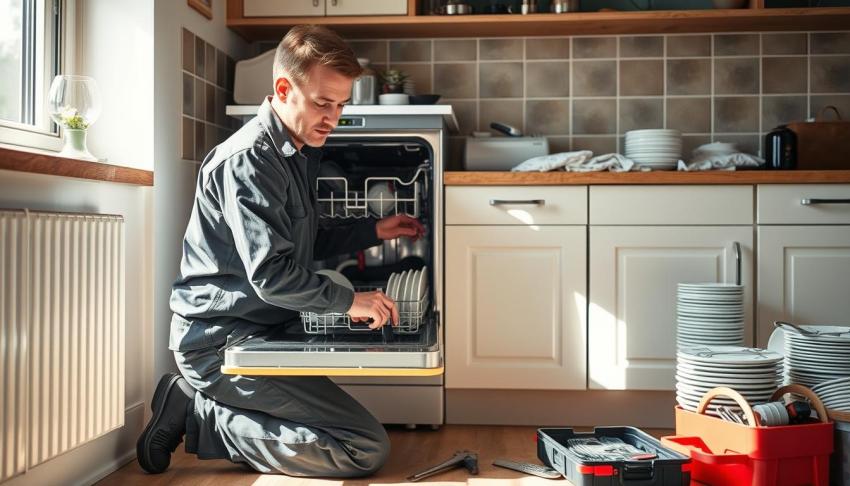
If your dishwasher leaves food behind
Start by checking the filter and spray arms. Remove visible debris from accessible areas.
Confirm the dishwasher receives enough water during its cycle. Avoid dismantling internal components without guidance.
Persistent cleaning problems may involve circulation, heating, or drainage.
A proper appliance repair assessment can identify the affected system.
If your stove burner will not ignite
Turn the burner off before checking visible residue. Never use an open flame to test ignition.
If you smell gas, stop using the appliance immediately. Follow your local emergency safety guidance.
For repeated ignition failures, professional appliance repair can identify the underlying issue safely.
Watch for warning signs that should not wait
Some symptoms deserve faster attention than others. Water leaks can damage flooring, cabinets, and nearby electrical components.
Burning smells can indicate overheating or electrical trouble. Repeated breaker trips can signal a serious fault.
Grinding or scraping sounds may indicate mechanical wear.
Do not wait for complete failure when warning signs keep returning.
Decide whether repair or replacement makes sense
A single failure does not automatically mean replacement. Consider the appliance's age, condition, repair history, and current problem.
An otherwise reliable appliance may benefit from appliance repair. Repeated failures may change the financial calculation.
Ask what failed, what needs replacement, and whether other issues were found.
A clear diagnosis gives you better information before spending money.
What to tell a technician
Describe the symptom instead of simply saying the appliance is broken. Mention unusual sounds, smells, leaks, or error codes.
Share when the problem started and whether it happens during specific cycles.
If possible, provide the model number. This information can help the technician prepare.