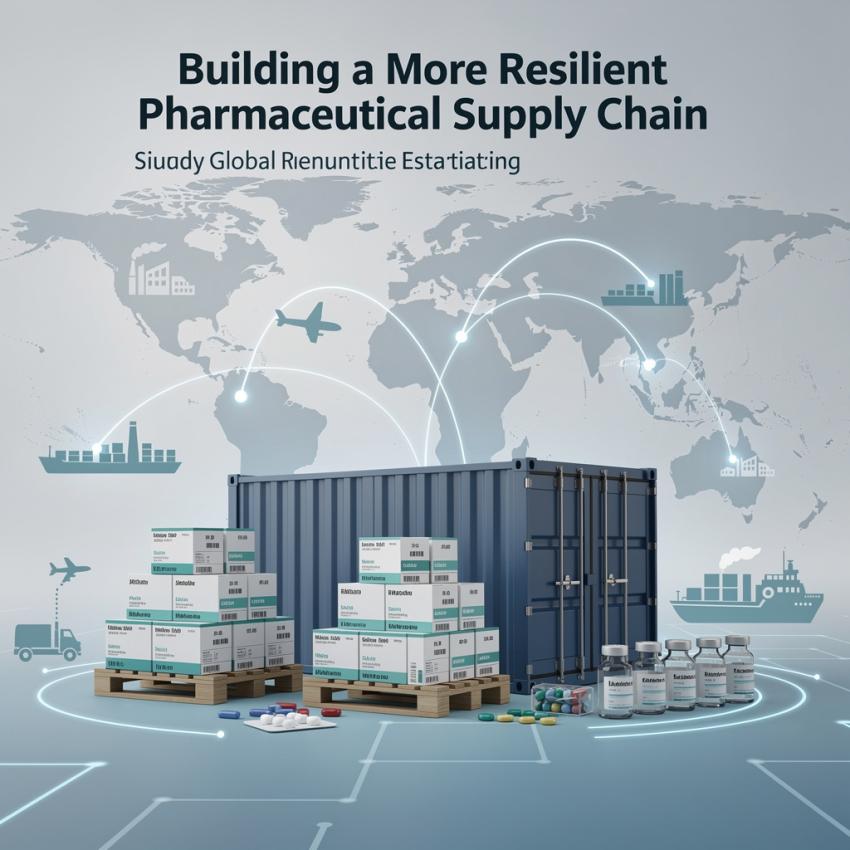
If the last few years have taught the pharma industry anything, it is that supply chains are far more fragile than most people assumed. A single disruption, whether it is a shortage of raw materials, a transport delay, or a sudden spike in demand, can ripple through the entire system and leave hospitals struggling to get medicines that patients urgently need. This has pushed the industry to seriously rethink how pharmaceutical supply chains are built and managed.
Why Resilience Has Become a Priority
For a long time, pharma supply chains were designed mainly around efficiency and cost savings. Companies focused on sourcing raw materials from the cheapest reliable suppliers and shipping products through the fastest available routes. This worked fine most of the time, until unexpected disruptions exposed just how little flexibility existed within these systems.
A resilient supply chain is different. It is built to absorb shocks, adapt quickly, and keep medicines moving even when something unexpected happens along the way. This shift in thinking has become one of the biggest priorities across the global pharma industry in recent years.
Reducing Dependency on a Single Source
One of the clearest lessons learned is the risk of relying too heavily on one supplier or one region for critical raw materials. If that single source faces a problem, whether political, environmental, or logistical, the entire supply chain can grind to a halt.
Companies are now actively diversifying their sourcing strategies, working with multiple suppliers across different regions to reduce this risk. This approach naturally increases interest in pharma export partnerships from India, since India offers a reliable, cost-effective alternative that many global companies are turning to as part of their broader diversification strategy.
Strengthening Manufacturing Flexibility
Resilience also depends heavily on how flexible a manufacturing setup actually is. Facilities that can quickly adjust production based on sudden demand changes, without sacrificing quality, are becoming increasingly valuable. This flexibility often comes down to strong internal systems, trained staff, and manufacturing partners who understand how to scale production efficiently when needed.
Businesses that work closely with experienced manufacturers offering a genuinely wide range of pharma products often find it easier to respond quickly to shifting demand, since these partners already have the infrastructure and expertise needed to adjust production without long delays.
Why Logistics Planning Matters More Than Ever
Supply chain resilience is not just about manufacturing. It also depends heavily on how products actually move from factories to hospitals and pharmacies. This is especially true for temperature-sensitive medicines, where proper cold chain and pharmaceutical logistics play a critical role in ensuring products remain safe and effective throughout their journey, regardless of unexpected delays or route changes.
Companies investing in better tracking systems, backup transport options, and stronger relationships with logistics partners are far better positioned to handle disruptions without compromising product safety.
The Role of Technology in Building Resilience
Technology has become a key tool in strengthening pharmaceutical supply chains. Real-time tracking systems allow companies to monitor shipments closely, identify potential delays early, and respond before small issues turn into major disruptions. Digital inventory management also helps companies maintain better visibility over stock levels, reducing the chances of sudden shortages catching them off guard.
This shift toward smarter, tech-driven supply chain management is helping companies move from reactive problem-solving to proactive risk management, which ultimately benefits everyone relying on a steady supply of medicines.
Building Stronger Relationships With Partners
A resilient supply chain also depends on strong, trust-based relationships between manufacturers, distributors, and logistics providers. Companies that communicate openly with their partners, share accurate demand forecasts, and plan collaboratively tend to handle disruptions far more smoothly than those operating with limited transparency between different parts of the chain.
Preparing for Future Uncertainty
No supply chain can be completely immune to disruption, but resilience is really about how quickly and effectively a company can respond when challenges arise. This means having backup suppliers ready, maintaining reasonable safety stock levels, and regularly reviewing potential weak points within the entire supply chain rather than waiting for a crisis to expose them.
Why This Matters for Patients Ultimately
At the end of the day, supply chain resilience is not just a business concern. It directly affects whether patients can access the medicines they need, when they need them. A well-built, resilient supply chain reduces the risk of shortages, delays, or compromised product quality reaching the people who depend on consistent access to treatment.
Final Thoughts
Building a more resilient pharmaceutical supply chain requires diversified sourcing, flexible manufacturing, strong logistics planning, and smart use of technology, all working together rather than in isolation. As global disruptions continue to test traditional supply chain models, companies that invest early in resilience are the ones most likely to keep medicines moving reliably, protecting both their business and the patients who depend on them.