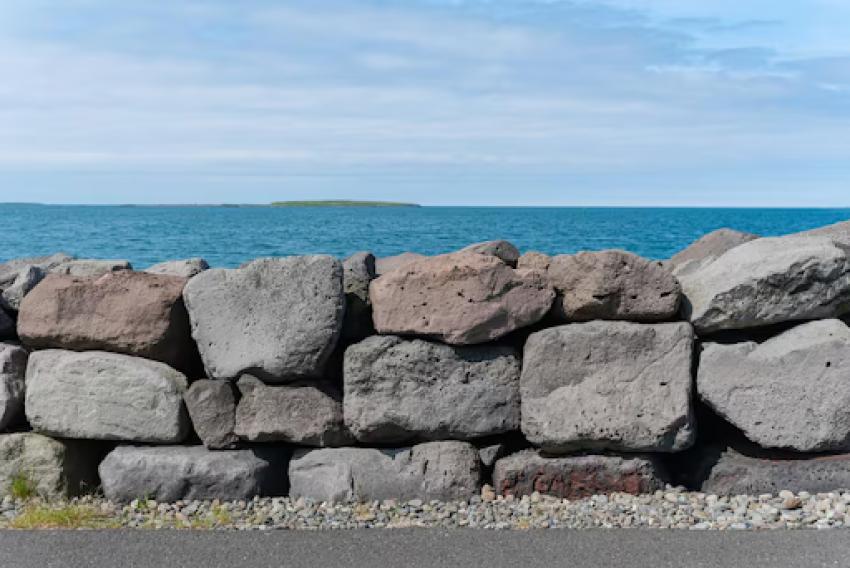
Your seawall is the first — and often the only — line of defense between your property and the waterway. In Broward County, where tidal forces, boat wakes, and South Florida's storm season put constant pressure on shoreline structures, seawall integrity directly affects property values and personal safety. Understanding when your seawall needs attention and what the construction process involves can help you make timely, well-informed decisions.
What Does a Seawall Actually Do?
A seawall is a hardened barrier installed along the waterfront edge of a property to retain soil, prevent erosion, and protect against wave action and flooding. Without a properly functioning seawall, the ground behind it erodes over time — eventually threatening foundations, landscaping, and the structural integrity of any buildings near the shoreline.
In South Florida's highly developed coastal communities, the loss of a seawall can quickly become a significant property and liability issue.
Warning Signs Your Seawall May Be Failing
Seawalls don't fail overnight. The deterioration typically builds over months or years, with early signs that are easy to miss if you're not looking for them.
Soil voids or sinkholes near the base: As water erodes material behind the seawall, voids form. These often appear as depressions, cracks in paved surfaces, or soft spots in the ground.
Visible cracking or spalling: Horizontal or vertical cracks in concrete seawalls indicate stress fractures. Spalling — where the surface layer chips or flakes off — exposes rebar to saltwater corrosion.
Tilting or bowing: A seawall that has shifted out of vertical alignment is under significant stress. If the lean is outward (toward the water), the structure may be near failure.
Efflorescence: White mineral deposits on the face of the seawall indicate that water is moving through the structure, carrying minerals with it — a sign that the wall's integrity is compromised.
Erosion at the waterline: Loss of material at the base of the seawall (a process called scouring) is common in high-wake areas and can accelerate structural failure.
The Seawall Construction Process
Professional seawall construction Broward County contractors begin every project with a thorough structural assessment. This typically involves visual inspection, probing for voids, and reviewing historical water and weather exposure data for the site.
Depending on the assessment findings, the recommended course of action may be repair, reinforcement, or full replacement.
Repair and reinforcement options include installing tie-back anchors to stabilize a leaning wall, injecting grout to fill voids behind the structure, or applying waterproof coatings and sealants to arrest surface deterioration.
Full replacement becomes necessary when the existing structure is too far degraded for repairs to be cost-effective. This involves removing the old seawall, driving new sheet piles (typically concrete or vinyl), and installing a new cap and drainage system.
Materials Used in Modern Seawall Construction
Older seawalls in South Florida are often made of concrete block or poured concrete, which can crack and deteriorate under saltwater exposure. Modern replacements typically use:
Vinyl sheet piling — corrosion-resistant and suitable for residential applications. It doesn't rust and doesn't require painting or sealing.
Concrete sheet piling — heavier duty, preferred for commercial or high-impact environments where wave energy is significant.
Aluminum — used in some applications where weight and corrosion resistance are priorities.
Permits and Environmental Considerations
Seawall construction in Broward County requires coordination with state and local environmental agencies. Projects near mangroves, seagrass beds, or other sensitive habitats may require additional environmental review. Permit timelines vary but typically range from a few weeks to several months depending on project scope and location.
Conclusion
A healthy seawall protects far more than waterfront aesthetics — it safeguards the land and structures behind it from the constant pressure of tidal and storm activity. Catching signs of failure early and working with experienced marine contractors ensures your shoreline remains protected. Whether your seawall needs minor repairs or full reconstruction, acting promptly always leads to better outcomes and lower total costs.