Clearing a home can feel like a simple job at first. Then you open cupboards, wardrobes, the attic, or the spare room and find much more than expected. Old furniture, broken items, boxes, clothes, and general rubbish can quickly fill your space.
If you are clearing a full property, moving house, or getting a home ready for sale, having a clear plan can save time and stress. After sorting everything carefully, waste removal in Dublin can help you deal with unwanted items without leaving bags, furniture, or rubbish piled outside your home.
Start With a Clear Plan
Before moving anything, walk through each room and see what needs to go. Starting without a plan can create more mess. You may move rubbish from one room to another without actually clearing anything.
Good waste removal starts with knowing what you have. Check bedrooms, storage areas, sheds, garages, and outdoor spaces. Make a rough list of large items as well as bags of smaller rubbish.
Clear One Room at a Time
Trying to clear the whole house at once can become tiring. Instead, start with one room and finish it before moving on.
Begin with the easiest room if you want quick progress. Once you see a clean space, it can make the rest of the job feel easier.
During the waste removal process, keep walkways and doors clear. This makes it safer to move boxes, furniture, and other heavy objects.
Sort Items Before Throwing Them Away
Not everything needs to become rubbish. Some items may still be useful to other people.
Create separate areas for things you want to keep, donate, recycle, sell, or dispose of. Sorting items early can reduce the amount of rubbish that needs to leave your property.
Separate Reusable and Recyclable Items
Clothes, books, furniture, toys, and household goods may still have some use. Items in good condition could be donated or passed on.
Glass, cardboard, metal, and some plastics may also be suitable for recycling. Careful sorting makes waste removal more organised and helps reduce unnecessary disposal.
Avoid mixing everything into one large pile. Mixed rubbish is harder to handle, and useful items can easily become damaged.
Deal With Large Items Early
Old sofas, beds, wardrobes, tables, and appliances can take up a lot of room. If possible, decide how these items will be removed before you begin filling bags with smaller waste.
Large items can also block stairs, doors, and hallways. Removing them early creates extra space for the rest of your house clearance.
Professional waste removal can be useful when you have bulky or heavy items that are difficult to lift or transport yourself.
Check Access Around Your Property
Think about how rubbish will leave the house. Narrow stairs, small lifts, shared entrances, and limited parking can make a clearance more difficult.
This is especially important in Dublin apartments and terraced homes. Planning access before the waste removal begins can help prevent delays.
Do Not Let Rubbish Build Up Outside
One common mistake is moving everything outside and deciding to deal with it later. This can leave your driveway, garden, or pavement covered with unwanted items.
Rain can damage cardboard, mattresses, soft furniture, and bags. Loose rubbish may also spread around the property.
Instead, arrange waste removal around your clearing schedule. Try to have unwanted items collected soon after they are sorted.
Keep Bags and Boxes Manageable
Do not make every bag as heavy as possible. Overfilled bags may split, while very heavy boxes can be difficult to lift safely.
Use strong bags for general rubbish and solid boxes for smaller objects. Keeping items manageable makes waste removal faster and reduces the risk of mess during collection.
Be Careful With Certain Types of Waste
Some household items need more care than normal rubbish. Paint, chemicals, electrical goods, batteries, sharp objects, and some building materials should not simply be mixed into general waste.
Check what you have before arranging disposal. Tell your waste removal provider about unusual items so they can explain whether they can collect them.
This also helps avoid last-minute problems on collection day.
Prepare the Property for Collection
Once everything has been sorted, place items where they can be reached safely. Keep doors unlocked when needed and make sure hallways are clear.
If you have many items, group similar materials together. This can make waste removal quicker and more efficient.
You should also check cupboards, behind furniture, and storage spaces before finishing. Small bags or boxes are easy to miss during a large home clearance.
Choose a Practical Waste Removal Service
A full house clearance can involve more waste than a normal household bin can manage. Having a suitable collection plan means you do not need to make repeated trips with bags and bulky items.
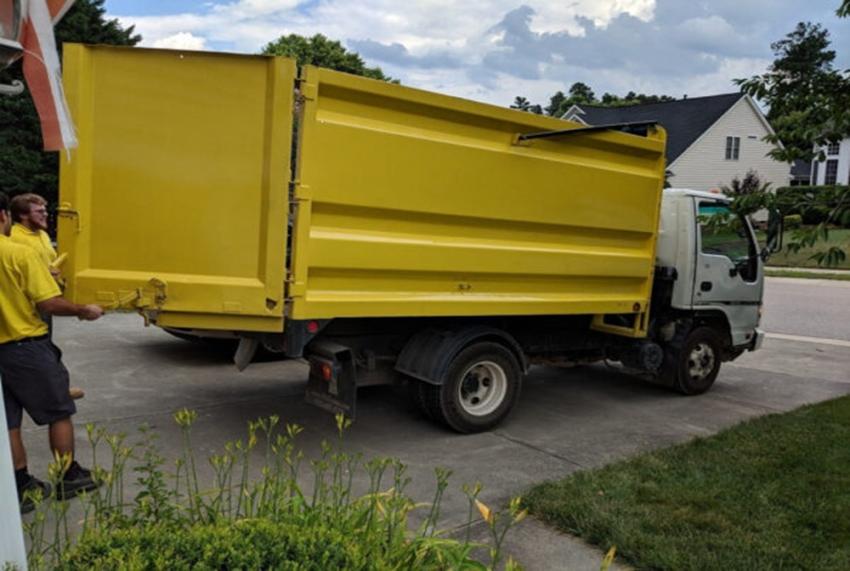
A reliable waste removal service can collect unwanted household goods, general rubbish, and suitable bulky items in one organised visit. This can be helpful for moving home, decluttering, preparing a rental property, or clearing a home after renovation.
Conclusion
Clearing a home does not have to end with rubbish covering your garden, driveway, or hallway. Work room by room, separate useful items, plan for bulky objects, and arrange waste removal before unwanted items start piling up.
For household clear-outs and waste removal in Dublin, Fast Junk & Rubbish Removal can help make the process easier and more organised. With a clear plan and timely collection, you can enjoy a cleaner property without being left with piles of rubbish to deal with afterwards.