In a commercial kitchen, there is very little room for making mistakes. During the dinner rush, the fryers are hot, the grills are kept busy, grease builds up, and the staff works quickly. On most days, everything works as it should, which leads to a false sense of security. Then one small issue changes the situation. This is why Commercial Kitchen Fire Protection deserves attention before there is smoke, panic, or a visit from the fire department.
The National Fire Protection Association has long identified cooking equipment as a major source of fires in eating and drinking establishments. In its analysis of restaurant and similar establishment fires from 2010 to 2014, 61% involved cooking equipment.
“We Have an Extinguisher” Is Not a Complete Answer
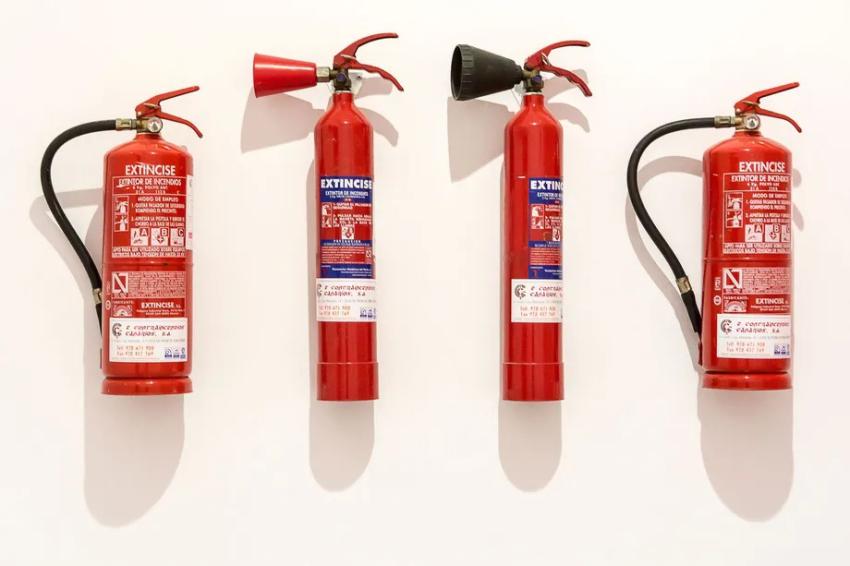
It sounds reassuring. It is not necessarily enough. A commercial kitchen faces hazards that ordinary fire protection equipment may not address on its own. The kind of protection needed for deep fryers, cooking appliances, exhaust hoods, and other grease-filled areas must be one that is appropriate to the way commercial kitchens function in reality.
The NFPA 96 standard includes provisions relating to the control of ventilation, fire protection, extinguishing equipment, and the procedures for inspection and maintenance in commercial cooking operations. Genuine commercial kitchen fire protection therefore consists of more than simply mounting an extinguisher on the wall and hoping that it will be sufficient.
The system needs to work when it matters. Components need checking. Nozzles need inspection. Pressure gauges need testing. Fuel and electrical shutoff functions also deserve attention. That is where routine service earns its keep.
Your Kitchen Changes. Your Protection Must Change Too
Here is something restaurant owners often underestimate: kitchens evolve. You install a new fryer. Replace a range. Add cooking equipment. Alter the hood. Rearrange the layout. Suddenly, the system that worked for your previous configuration may need modification.
C & W Fire and Safety provides kitchen suppression system installation, maintenance, and repair in addition to modifications for new or upgraded kitchen equipment. The process of inspection involves checking the nozzles of the extinguishing agent, the nozzle caps, the lines, the manual pull stations, the pressure gauges, the gas shutoff valves, the microswitches, and the fans.
The level of detail is important since the Commercial Kitchen Fire Protection should be suitable for the kitchen you have today and not the one you had two years ago.
Local Service Can Make Things Easier
For commercial kitchens in Bossier City and the nearby area, it is possible to have a local fire and safety provider to make routine servicing, repairs, and inspections easier. C & W Fire and Safety provides kitchen suppression services alongside broader fire protection and safety equipment support.
It is necessary to ask reasonable questions before hiring anyone.
● What will the inspection cover?
● Does the system match your current equipment?
● Are damaged components replaced?
● Will you receive the necessary documentation?
● What happens when you remodel the kitchen?
A reputable Commercial Kitchen Fire Protection provider should have clear answers.
Prevention Is Easier Than Emergency Recovery
A kitchen fire can disrupt far more than one evening of service. Equipment may require repair or replacement. Operations can stop. Staff may face disruption. Customers may lose confidence. No sensible restaurant owner wants to deal with those consequences after the fact.
That is why Commercial Kitchen Fire Protection should form part of your regular operational routine. Schedule inspections. Keep equipment maintained. Review the system whenever you upgrade or rearrange the kitchen. Deal with small faults before they become urgent problems.
C & W Fire and Safety offers inspection, maintenance, and repair services designed around commercial kitchen suppression systems. The bottom line is straightforward: Commercial Kitchen Fire Protection is too important to leave until something goes wrong. Your kitchen works hard every day. Make sure its fire protection does too.
FAQs
1. How often should my kitchen suppression system be inspected?
C & W Fire and Safety provides biannual kitchen suppression system inspections.
2. Is a fire extinguisher enough for my Commercial Kitchen Fire Protection?
Not necessarily. Commercial cooking operations may require dedicated suppression systems and related protection.
3. What if I install new cooking equipment?
Ask for your suppression system to be reviewed. New equipment may require modifications.
4. What necessitates my system having regular maintenance?
Routine inspections pick out components that are blockages, damages, or unsuitable before an emergency takes place.
5. What is the best way to select a fire protection company?
Check its experience, inspection process, service coverage, and ability to maintain your specific kitchen system.