Satta Matka has a long history of number-based records, charts, and terminology. For anyone exploring the subject for the first time, it helps to know what the commonly used terms and formats mean before looking at old or recent records. The topic includes historical references, result charts, number combinations, and different names used across various markets.
Reading about Satta Matka should be approached as an informational activity. Charts and records can show how results have been documented over time, but past records do not provide a reliable way to predict future outcomes. A basic knowledge of the terminology also makes charts easier to read.
Satta Matka and Its Historical Background
The terms Satta and Matka are commonly associated with a number-based form of gambling that developed in India decades ago. Over time, different markets and formats became known by their own names.
Historical records are now often presented through digital charts. These archives may contain dates, numbers, panels, and other details connected with particular markets. Studying such records can provide a view of how result information has been organized over different periods.
Readers should also keep in mind that historical charts are records of previous events. They should not be treated as evidence that a particular number will appear again.
Key Satta Matka Terms to Know
Before reading a chart, it is useful to become familiar with basic terminology. Terms may vary slightly between different sources, but several words appear frequently.
Panel and Number Records
A panel generally refers to a three-digit number combination displayed within a result format. Number records may be arranged by date, market, or result session.
When reviewing an old chart, readers may see individual numbers alongside panel information. Knowing how these entries are arranged makes it easier to follow the record without confusing separate parts of a result.
Jodi and Result Formats
Jodi is another common term used in Satta Matka-related records. It generally refers to a two-digit combination. Charts may display Jodi information alongside other result details.
Different websites can use different layouts, so it is useful to check the headings and labels provided with a chart before interpreting individual entries.
How to Read Historical Charts
Historical charts are usually organized chronologically. A reader can begin by checking the date or period shown at the top or along the side of the chart. From there, the market name and corresponding result entries can be identified.
When examining records, avoid assuming that repeated numbers indicate a future pattern. A chart is primarily a record of what was previously listed. Its value for research comes from preserving historical information in an organized format.
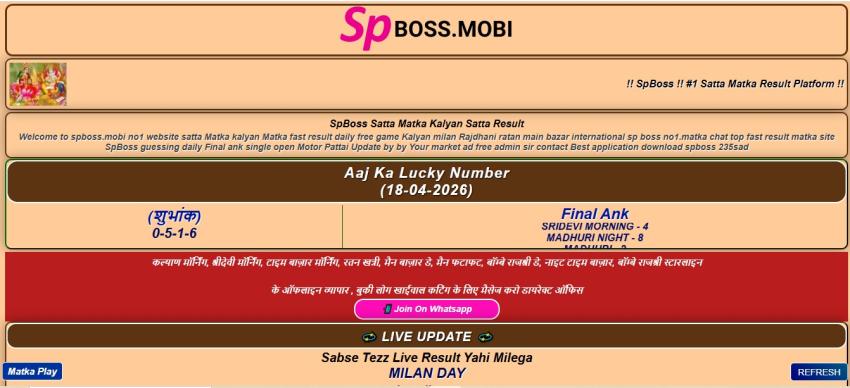
SPboss Mobi can be used as an informational reference for readers exploring terminology, chart formats, and historical number records. The focus should remain on reading the available information rather than treating previous results as predictions.
Different Markets and Naming Conventions
Readers may come across names such as Kalyan Matka while exploring the wider subject. Individual markets can have their own schedules, chart structures, and historical records.
This can sometimes make the terminology confusing for new readers. Checking the market name, date, and headings before reviewing numbers can help prevent information from different records being mixed together.
It is also useful to compare the structure of a current chart with older records. This can show how result presentation has changed as information moved from traditional records to online formats.
Why Historical Records Matter
Old records are useful because they preserve information that might otherwise become difficult to locate. They can help researchers examine how charts were structured, how terminology was used, and how result information was recorded at different times.
Digital archives have made these records easier to organize and search. However, their main value remains historical and informational. Previous results cannot establish certainty about future results.
SPboss Mobi focuses on presenting this type of subject in a straightforward format, helping readers become familiar with common terms, chart structures, and record-keeping practices.
A Practical Approach for New Readers
Someone new to Satta Matka can start by learning the basic terminology before looking at detailed charts. Checking the date, market name, panel details, Jodi entries, and other labels can make historical records easier to follow.
Readers should also separate factual records from assumptions about future outcomes. A previous number appearing several times does not make it more certain to appear again. Keeping this distinction in mind helps maintain a factual approach to the subject.
Conclusion
Before reading about Satta Matka, it is useful to know its basic terminology, historical background, chart formats, and record-keeping methods. Terms such as panel, Jodi, Satta, and Matka commonly appear in historical and result records. Approaching these materials as information about past records can make them easier to read while avoiding unsupported predictions. SPboss Mobi provides an informational context for exploring these topics and their changing presentation in digital charts.