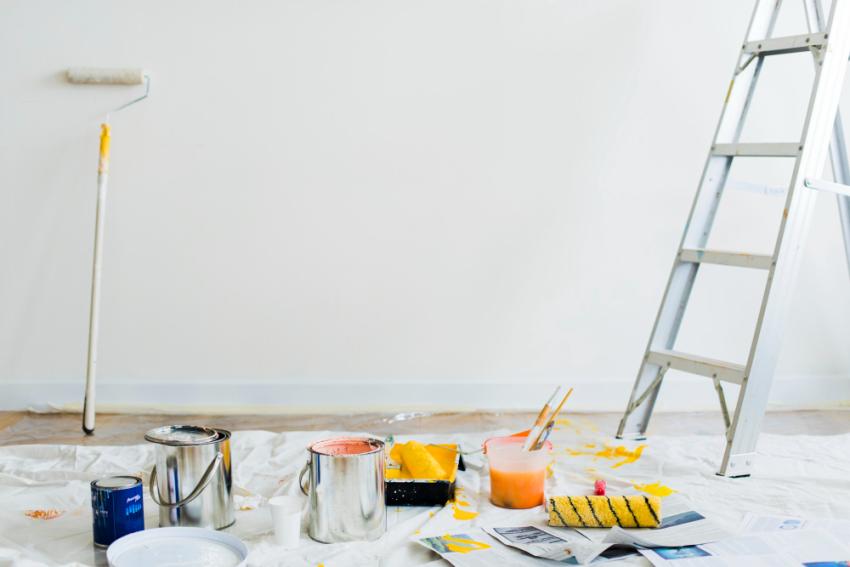
A fresh coat of paint can make a home look clean and bright. But new paint cannot fix a damaged surface. If old paint is peeling, cracking, or bubbling, covering it with another coat may only hide the problem for a short time.
This is especially important when planning house painting. Homes can face rain, moisture, humidity, and changing weather. These conditions may affect painted surfaces over time. Before starting a painting project, damaged areas should be checked and repaired. Good preparation helps new paint stick better and last longer.
New Paint May Start Peeling
Painting over peeling paint does not create a strong surface. The new coating sticks to the loose layer below it instead of the wall, siding, or trim.
When the old layer pulls away, the fresh paint can come off with it. You may soon notice flakes, cracks, or large pieces of paint falling away.
This can turn a simple house painting job into extra work. Removing loose paint before applying a new coat gives the fresh coating a stronger base.
Loose Paint Creates Weak Adhesion
Paint needs a clean, dry, and stable surface. Dirt, loose coatings, and damaged areas can keep it from bonding correctly.
Professional preparation may include scraping, sanding, cleaning, patching, and priming. These steps take time, but they are important for a lasting house painting result.
Cracks and Rough Areas Can Still Show
Some homeowners think several coats of paint will hide cracks, dents, and rough spots. Paint can improve color, but it cannot make major surface damage disappear.
Cracks may remain visible after the paint dries. Rough edges from peeling paint can also show through the new finish. In some cases, adding more paint can make these areas even easier to notice.
A good house painting project starts by creating a smooth surface. Small holes can be filled, rough areas can be sanded, and damaged materials can be repaired before painting begins.
Moisture Problems May Get Worse
Peeling paint is sometimes a warning sign of moisture. Water may enter through damaged siding, gaps around windows, roof leaks, or other problem areas.
Simply painting over the damage does not stop the water.
Find the Source Before Repainting
If moisture stays trapped behind the coating, fresh paint may bubble or peel again. Mold, mildew, wood rot, and stains may also develop.
Before any house painting work begins, it is smart to find out why the old coating failed. Fixing the source of moisture can help protect both the new paint and the material underneath it.
Why Damaged Paint Is a Concern for Asheville Homes
Asheville homes deal with rain, humidity, changing temperatures, and seasonal weather. These conditions can be hard on exterior paint, especially when the existing coating is already cracked or peeling.
For house painting in Asheville, checking the surface before applying fresh paint is an important step. Loose coatings, damp areas, mildew, cracks, and exposed wood should be addressed first. Proper preparation can help the new coating bond well and protect the home for longer.
Damaged Wood Can Continue to Decay
Exterior wood trim and siding need protection from water and weather. When paint begins to peel away, bare wood may become exposed.
If damaged wood is simply covered with paint, decay can continue underneath the surface. Soft or rotten sections may eventually need larger repairs.
Proper house painting preparation includes checking wood for damage. Minor problems may be repaired, while badly rotted sections may need replacement. Once the surface is solid and dry, primer and paint can provide better protection.
The Finished Paint Job May Look Uneven
Fresh paint looks best on a smooth and properly prepared surface. Painting directly over chips and peeling areas often creates bumps, lines, and uneven texture.
These flaws can become more noticeable when sunlight hits the wall or siding.
For a cleaner house painting finish, loose material should be removed first. Edges can then be sanded to create a smoother transition between bare and painted areas.
Skipping Preparation Can Cost More Later
Skipping prep work may seem like an easy way to save time and money. However, it can lead to another paint job much sooner than expected.
If the new coating fails, homeowners may have to pay for scraping, repairs, primer, and paint again. Proper preparation at the beginning can help prevent repeat work.
Quality house painting is about more than changing a color. It also means preparing the surface so the coating can perform as intended.
Preparation Helps Paint Last
A well-prepared surface gives primer and paint a better chance to bond. It can also help create smoother coverage and a more attractive finish.
The exact preparation depends on the surface. Drywall may need patching, while exterior wood may require scraping and sanding. Each house painting project should begin with a careful inspection.
Conclusion
Painting over damaged or peeling paint may make a surface look better for a little while, but it does not solve the cause of the damage. Loose coatings, moisture, cracks, and damaged materials should be handled before fresh paint is applied.
For homeowners considering house painting near Asheville, NC, proper surface preparation can make a major difference in the finished result. Custom Painting of Asheville INC understands that successful house painting starts before the first coat goes on. Taking care of damaged surfaces first can help create a smoother, cleaner, and longer-lasting finish for your home.