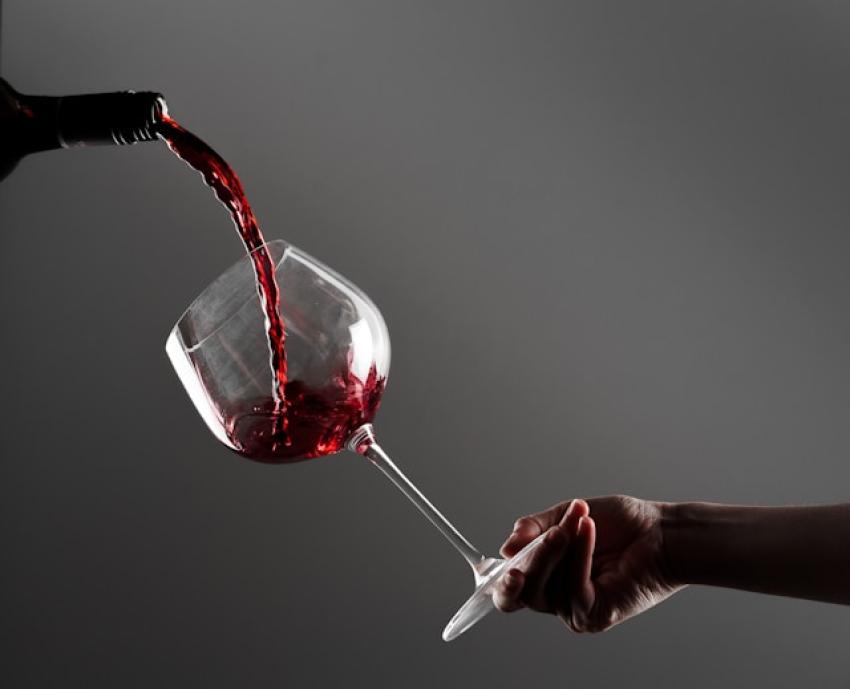
Color stability is an important quality marker in red wine because it affects both appearance and perceived freshness. Deep, consistent color often reflects careful handling from grape processing through storage and distribution. Several factors influence how well a wine retains its original hue, including grape variety, phenolic compounds, oxygen exposure, temperature, and aging conditions. A Wine Supplier Manila monitors these factors to help preserve product quality during storage and delivery. Understanding color stability also helps buyers evaluate how well a wine has been handled before reaching the market.
Why Color Stability Matters in Red Wine
Red wine color comes largely from anthocyanins and other phenolic compounds found in grape skins and juice. These compounds interact during fermentation and aging, shaping the final color and its stability over time. Changes in these interactions may cause a wine to lose vibrancy or develop brownish tones.
Preserving Visual Quality
Color is often one of the first characteristics noticed when wine is poured into a glass. A stable ruby, purple, or garnet tone gives the wine a more consistent visual profile. When color fades too quickly, the change might indicate oxidation, poor storage, or natural aging that has progressed further than expected.
Winemakers therefore monitor color throughout production and storage. Spectrophotometric measurements and visual checks provide useful information about how the wine is developing. These checks help identify changes before they become noticeable during service or retail presentation.
Supporting Product Consistency
Wines sold under the same label are expected to maintain a reasonably consistent appearance from one release to another. Variations in grape maturity, extraction, and production conditions might affect color intensity. Careful cellar management helps reduce unnecessary variation while preserving the character of each vintage.
Consistency becomes especially important when wines are distributed across multiple locations. Proper storage and transport conditions should remain aligned with the producer's requirements. This helps maintain the intended appearance from the winery to the end customer.
Factors That Influence Color Stability
Several production and storage variables affect how red wine retains its color. Some are controlled during winemaking, while others require attention after bottling. Monitoring both stages helps reduce avoidable color changes.
Grape Variety and Phenolic Content
Different grape varieties contain different amounts and types of anthocyanins and tannins. Grapes with stronger pigment concentration often produce wines with deeper initial color. However, initial intensity does not always mean the color will remain stable during aging.
Fruit maturity also affects phenolic composition. Weather, harvest timing, vineyard conditions, and fruit health influence the compounds available during fermentation. Winemakers account for these differences when deciding how much extraction and maceration the wine requires.
Oxygen Exposure During Production
Oxygen plays a major role in red wine development. Controlled oxygen exposure during fermentation and aging supports certain chemical reactions, while excessive exposure might accelerate undesirable oxidation. These reactions influence both color and aroma over time.
Winemakers use controlled cellar practices to manage oxygen contact. Tank headspace, transfers, pumps, closures, and bottling processes all require attention. Limiting unnecessary oxygen exposure helps protect color and other quality characteristics.
Managing Fermentation and Extraction
Color stability begins during fermentation because extraction determines how much pigment and tannin enter the wine. The goal is not simply to maximize color but to achieve a balanced extraction profile. Excessive or insufficient extraction might affect how the wine develops later.
Controlling Maceration Time
During maceration, grape skins remain in contact with the fermenting juice. Longer contact generally allows more phenolic extraction, but the effect depends on grape variety, temperature, and winemaking technique. Producers select a suitable duration based on the desired style and structure of the wine.
Temperature also influences extraction. Warmer conditions might increase the transfer of certain compounds from the skins, while cooler conditions affect fermentation and extraction differently. Careful monitoring helps winemakers avoid extracting an unsuitable balance of pigment and tannin.
Managing Tannin and Anthocyanin Interaction
Anthocyanins provide much of the red color, while tannins contribute structure and participate in reactions that affect long-term color stability. Over time, these compounds form new structures that might retain color better than free anthocyanins alone. Managing their interaction is therefore important during fermentation and aging.
The balance depends on grape composition and production techniques. Seed contact, skin contact, fermentation temperature, and oxygen management all influence the resulting phenolic profile. Winemakers monitor these factors rather than relying on a single method to protect color.
Storage Conditions That Protect Color
After production, storage conditions remain important. Red wine continues to undergo chemical changes in the bottle, and temperature fluctuations or excessive oxygen exposure might accelerate them. Proper handling helps preserve the intended color for longer periods.
Maintaining Stable Temperatures
Temperature stability is more important than frequent swings between hot and cool conditions. Elevated temperatures accelerate chemical reactions that might affect wine quality, while repeated fluctuations can place additional stress on the bottle and closure. Storage facilities therefore aim for stable conditions suited to the product.
For distributors, this means paying attention to warehouses, transport vehicles, and temporary holding areas. Bottles should not remain exposed to excessive heat during loading or delivery. Consistent storage practices help protect both color and overall product condition.
Reducing Light Exposure
Light exposure also affects wine quality, particularly when bottles are stored for extended periods. Certain wavelengths can promote chemical reactions that alter wine characteristics. Dark storage areas or protective packaging help reduce unnecessary exposure.
Bottle color provides some protection, but it should not be treated as the only safeguard. Warehouses and retail storage areas should still limit direct light exposure where practical. This is especially relevant for wines intended for longer storage periods.
Quality Checks Before Distribution
A wine's appearance provides useful information before it reaches customers. Producers, importers, and distributors often assess bottles for visual consistency and signs of unwanted change. These checks support better inventory management and product quality.
Reviewing Bottle Condition
Sediment is not automatically a sign of poor quality, particularly in aged or minimally processed wines. However, unusual haze, excessive deposits, or a clear change in color might warrant further inspection. Staff should understand the difference between normal wine development and possible quality issues.
Visual checks are often performed alongside other quality assessments. Packaging condition, fill level, closure integrity, and storage history provide additional context. A consistent review process helps identify problems before products are distributed more widely.
Tracking Storage History
Records of warehouse temperature, delivery conditions, and inventory duration help explain changes in product appearance. A bottle that has been exposed to poor conditions might show different characteristics from one stored correctly. Maintaining clear records gives quality teams better information when reviewing irregularities.
A supplier should also rotate inventory appropriately. Older stock should not remain forgotten in storage while newer shipments are distributed first. Good inventory management supports product consistency and reduces avoidable quality losses.
Key Takeaway
Color stability in red wine depends on grape composition, phenolic extraction, oxygen management, and proper storage. Producers monitor fermentation and aging conditions to support a stable appearance, while distributors focus on temperature, light exposure, handling, and inventory control. A Wine Supplier Manila should also maintain clear quality records to identify potential problems before products reach customers. Consistent monitoring across the supply chain helps preserve the wine's intended character and gives buyers greater confidence in product quality.