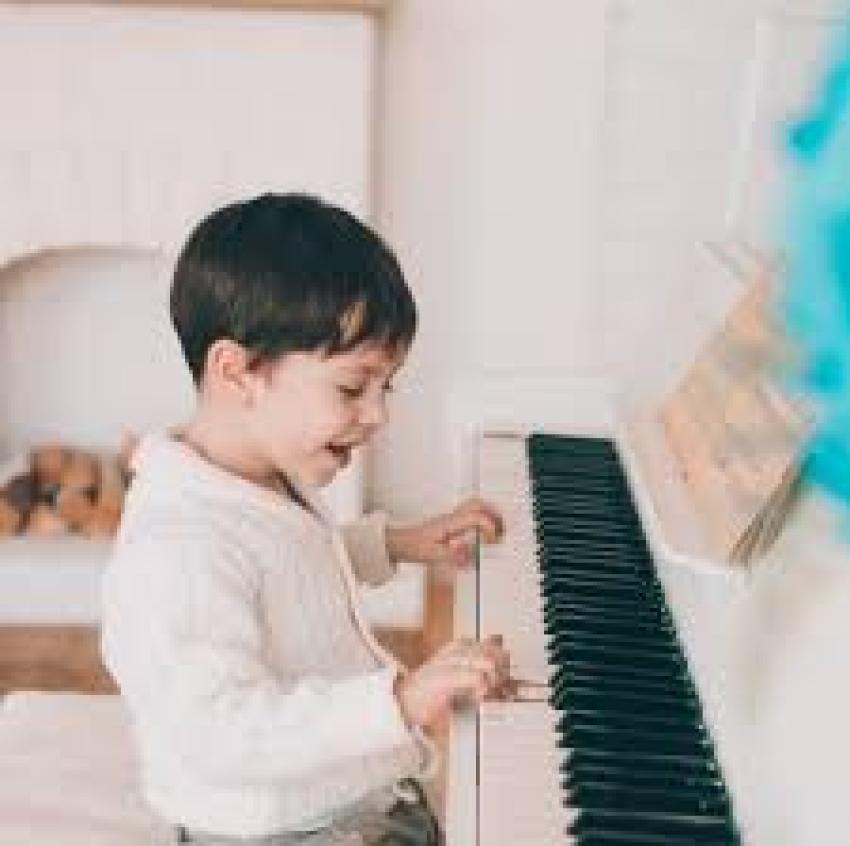
When parents enrol their child in piano lessons, one question often comes up: Should the child work towards graded exams, or should piano simply be something they enjoy? There is no single right answer. Some children enjoy having clear goals and working towards an achievement, while others become more enthusiastic when they can learn songs they like without the pressure of an examination. In reality, piano exams and enjoyment do not have to be opposite choices. With the right approach, a child can develop strong musical skills, prepare for exams, and still enjoy playing the piano.
What Are the Benefits of Piano Exams?
Piano examinations can give children a clear sense of direction. Rather than learning without a particular goal, they have a target to work towards over a period of time. For example, graded examinations such as those offered by ABRSM assess different aspects of musicianship. Practical piano exams include performance as well as skills such as scales, arpeggios, sight-reading and aural work.
Some potential benefits include:
Clear goals: A grade gives children something specific to work towards.
Structured learning: A syllabus can provide a logical progression of skills and repertoire.
Practice discipline: Preparing for an assessment can encourage regular practice.
Performance experience: Exams can help children become more comfortable playing in front of others.
A sense of achievement: Completing an examination can give a child confidence in what they have accomplished.
However, an exam certificate should not become the only measure of a child's musical progress.
When Can Exams Become Too Much?
Examinations are not necessarily suitable for every child at every stage. If a child begins to associate piano entirely with grades, marks and mistakes, the experience can become stressful. A child who once enjoyed playing may start to feel that every practice session is another task to complete. Exam preparation can also involve pressure, particularly as the assessment approaches. ABRSM itself recognises that exams can be stressful for pupils and highlights the importance of teacher support, preparation and healthy habits around performance. This is why parents should consider the child's personality and readiness rather than simply deciding that every child must progress through grades as quickly as possible.
What About Learning Piano Just for Enjoyment?
Learning without exams can give children greater freedom to explore music. They may be able to spend more time learning songs they enjoy, experimenting with different musical styles, or developing their playing without worrying about achieving a particular grade.
This approach can be particularly suitable for children who:
Become anxious about assessments
Prefer learning through songs and creativity
Have a busy school schedule
Are still discovering whether they enjoy piano
Want to learn piano as a hobby
There is also nothing wrong with a child learning piano simply because they love music. Not every musical achievement needs to result in a certificate.
Can Children Do Both?
Absolutely. A balanced approach can allow a child to work towards an examination while still having time to play music simply for pleasure. For example, a child might spend part of a lesson working on examination pieces and technical skills, while another part is dedicated to a favourite song or piece outside the syllabus. This can make structured learning feel less restrictive. It also gives children an opportunity to understand that piano is not only about passing an exam. A well-planned piano lesson should develop musicianship rather than simply teach a child how to reproduce a set of examination pieces.
The Role of the Piano Teacher
The teacher can make a significant difference to how a child experiences piano learning. An experienced piano teacher in Singapore should be able to recognise that children learn differently. One student may thrive when given a clear target, while another may need more creative freedom before becoming interested in structured learning. A good teacher can also help parents decide when an examination is appropriate. Instead of entering a child for a grade simply because they have reached a certain age or have taken lessons for a particular number of years, the teacher can consider the child's technique, musical understanding, confidence, and willingness to prepare.
Most importantly, the teacher should help the child see an exam as one part of their musical journey rather than the entire purpose of learning piano.
How Parents Can Find the Right Balance
Parents can support a healthier approach by keeping expectations realistic.
1. Ask Your Child What They Enjoy
Does your child have a favourite song? Do they enjoy performing? Do they like learning new pieces? Their answers can tell you a lot about what motivates them.
2. Don't Compare Grades
Children progress at different speeds. One child may move through grades quickly, while another may need more time to build confidence and technique.
3. Celebrate Progress
Praise improvements such as playing a difficult passage correctly, learning to read a new rhythm, or performing confidently—not just the final exam result.
4. Leave Room for Fun
Even when a child is preparing for an examination, there should be opportunities to play music simply because they enjoy it.
5. Listen to the Teacher
Regular communication between parents and the teacher can help determine whether a child is ready for an exam or would benefit from more time developing their foundation.
What Should Parents Look for in Piano Lessons in Singapore?
Parents looking for piano lessons in Singapore should consider more than the location and timetable. Ask how the teacher approaches beginners, whether lessons are adapted to the child's age and personality, how examination preparation is handled, and whether students have opportunities to explore music outside the syllabus. It is also worth asking whether the programme focuses on developing broader musical skills such as reading, rhythm, technique, listening and expression. A child who develops these foundations is likely to be better prepared for examinations later if they decide to pursue them.
So, Exams or Enjoyment?
For most children, it does not need to be an either-or decision. Exams can provide structure, motivation, and measurable milestones, while enjoyment helps children develop a lasting relationship with music. The ideal balance will depend on the individual child. If a child enjoys having goals, examination preparation can be a rewarding part of their piano education. If they are still developing confidence or simply want to play for pleasure, there is no need to rush them into graded assessments. Ultimately, the best piano education is one that helps children learn, progress, and enjoy making music. With the guidance of the right piano teacher, exams can become a useful part of that journey without overshadowing the reason many children start playing in the first place: because music is enjoyable.