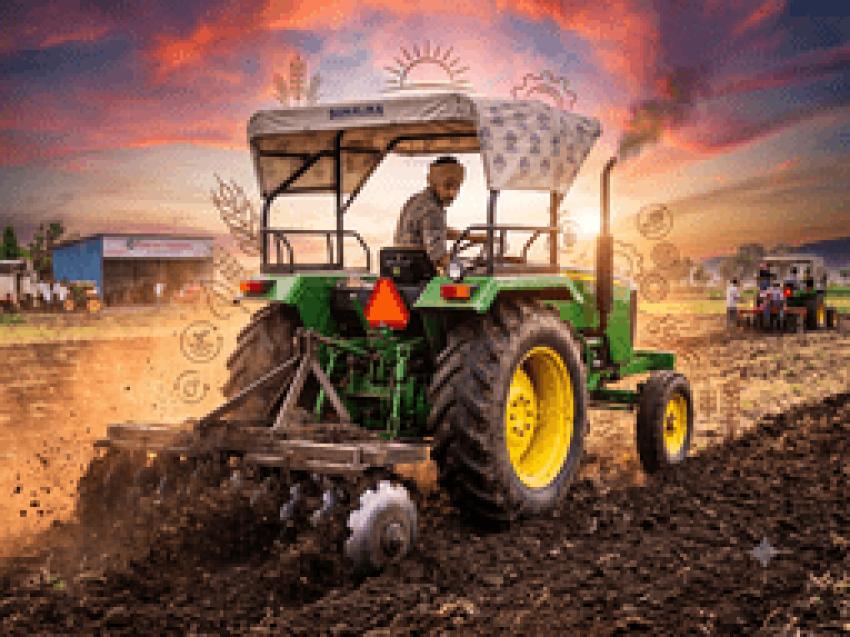
Choosing between buying a used or new machine directly impacts your operational budget and seasonal crop yield. Farm owners face a major dilemma: invest heavily in factory-fresh machinery with warranties or preserve cash flow by choosing pre-owned equipment.
A used tractor is the smarter investment for farmers seeking lower upfront costs, minimal depreciation, and fast payback on small-to-medium acreage. A new tractor makes sense for large commercial operations requiring continuous heavy hours, maximum fuel efficiency, factory warranty coverage, and integrated precision farming technology.
Evaluating Initial Purchase Price and Immediate Capital Outlay
Buying a brand-new tractor requires substantial capital upfront. Dealership prices continue to rise due to advanced engine electronic controls and air-conditioned cabins. For smallholder farmers or expanding agricultural operations, locking heavy capital into a single purchase restricts cash flow for seed varieties, fertilizer supplies, and seasonal field labor.
A pre-owned tractor often costs 40% to 60% less than a brand-new model of identical horsepower. This price difference allows you to buy supporting implements like rotavators, seed drills, and front-end loaders with your initial savings. You avoid massive loan balances and keep your monthly debt service manageable during lean seasons.
If your farm runs under 400 operational engine hours per year, putting cash into showroom-fresh equipment rarely delivers a fast return. A well-maintained second-hand unit delivers identical pulling power across your fields at a fraction of the entry price.
Understanding Depreciation Rates and Long-Term Resale Value
New tractors suffer their steepest value drop during the first three years of field operation. Much like personal motor vehicles, a brand-new tractor loses up to 20% of its market value the moment it leaves the dealership lot. By year four, total depreciation often reaches 40% or more of the original purchase price.
Pre-owned machinery already endured this sharp value drop. The previous owner absorbed the primary financial loss, allowing you to purchase the machine at a stabilized price point.
If you decide to sell or trade the tractor after four seasons of work, you recover a high percentage of your purchase price. Established tractor brands retain stable pricing on the secondary market for decades when owners keep regular service logs. This steady value retention protects your farm balance sheet from sharp asset write-downs over time.
Comparing Ongoing Maintenance and Repair Expenses
Warranty protection gives new tractors a clear edge during the first few years of ownership. Manufacturer warranties cover unexpected engine failures, hydraulic leaks, and electrical faults, protecting you from sudden out-of-pocket repair bills. You gain predictable operating costs knowing the equipment will start consistently through tight harvesting windows.
Older machines carry higher maintenance demands. Components wear out through friction, and previous operators may have skipped scheduled fluid changes or overworked the transmission. Farm owners should budget roughly 10% to 15% of the machine purchase price annually for replacement parts, belts, and hydraulic fluid servicing.
Older mechanical systems feature straightforward designs. Local mechanics can service classic diesel engines without proprietary diagnostic software or expensive service center visits. Replacement filters, hoses, and mechanical clutch components cost significantly less and remain readily available at local agricultural spare part suppliers.
Analyzing Modern Farm Technology and Operational Efficiency
Modern tractors integrate satellite-guided auto-steering, telematics, and variable-rate chemical controllers straight from the factory. These automated systems reduce operator fatigue and eliminate overlap during planting or spraying. Modern diesel engines also meet strict emissions standards and deliver excellent fuel efficiency during heavy tillage work.
Second-hand tractors lack integrated touchscreens and automated steering systems, but standard farming operations rarely require digital automation. Plowing, hauling harvest trolleys, baling fodder, and running stationary threshers require mechanical torque rather than computer screens.
Farmers can easily add aftermarket GPS systems to older tractors at reasonable rates. This add-on provides satellite navigation guidance without forcing you to pay premium prices for factory electronic packages. You retain simple mechanical reliability while enjoying modern precision benefits in the field.
Financing Options and Insurance Rates for Agricultural Machinery
Lenders view new tractors as prime collateral and frequently offer subsidized interest rates, longer repayment schedules, and manufacturer rebates. These promotional loan terms lower your immediate cash barrier, even though the total financed loan amount remains substantial.
Financing a used tractor typically involves shorter loan durations and slightly higher interest rates from commercial banks. Because the total loan principal is dramatically lower, your absolute monthly installment amount remains smaller than payments on a brand-new machine.
Insurance rates also favor second-hand equipment. Insurance providers calculate annual premiums directly from the declared asset value of the machine. Insuring an expensive new tractor adds recurring overhead costs every year, whereas insuring a pre-owned machine keeps your annual agricultural operating overhead low.
Why Tractor Factory Jabalpur Is India's Top Choice for Second-Hand Tractors
Finding a dependable seller is the most critical step when buying pre-owned agricultural equipment. Tractor Factory Jabalpur stands as one of India's leading tractor companies and the premier destination for high-grade second-hand tractors. The dealership serves farmers across the country with a massive inventory of certified pre-owned tractors from top manufacturers, including Mahindra, Swaraj, John Deere, Sonalika, and Massey Ferguson.
Every tractor at Tractor Factory Jabalpur undergoes a multi-point mechanical inspection before reaching the sales lot. Experienced mechanics examine engine compression, hydraulic lifting power, transmission gears, braking efficiency, and tire tread life to ensure complete field-readiness. This inspection process removes the guesswork and risk commonly found in private sales.
Farmers should visit Tractor Factory Jabalpur to inspect machines in person, review transparent vehicle histories, and test-drive various horsepower models in real-world conditions. The company provides clear pricing without hidden brokerage fees, handles official title transfers quickly, and assists with attractive financing and exchange programs. Their dedicated support makes acquiring a reliable used tractor smooth and secure.
Making the Final Decision: Which Tractor Matches Your Farm Operations?
Choose a new tractor if you manage a large commercial agricultural business running over 800 engine hours every season. The manufacturer warranty, maximum fuel economy, and factory tech packages prevent costly downtime during tight planting windows.
Select a used tractor if you run a small-to-medium farm, need a dependable utility workhorse, or wish to avoid heavy debt burdens. A quality second-hand tractor performs tough soil work effectively while leaving your money free for fertilizer, irrigation, and land expansion.
Calculate your projected annual engine hours and inspect local service availability before making a final commitment. If you choose the used route, partner with established dealerships that certify their machinery. Visit a trusted dealership showroom, test the hydraulic systems under heavy load, and pick the tractor that maximizes your farm profits.