Smart Farmers Prioritize Mechanical Substance Over Showroom Gloss
Buying a pre-owned machine remains one of the smartest financial moves a farmer can make, provided you look past fresh paint and polished sheet metal. Brand-new tractors lose up to twenty percent of their capital value the moment they leave the showroom floor. Savvy agricultural operators skip that steep depreciation curve and invest their capital into field-ready machinery that delivers identical horsepower. However, the used machinery market carries hidden pitfalls for hasty buyers.
A tractor might look pristine outside while concealing worn piston rings, slipping synchronizers, or leaking hydraulic control valves. You must approach every purchase with a strict mechanical evaluation method. This second hand tractor masterclass: selection, testing, and ownership costs breakdown gives you practical tools to inspect machinery like a veteran mechanic. By following proven field checks, you protect your hard-earned capital and secure a dependable workhorse for your farm.
Matching Horsepower and Implements to Your Field Requirements
Before you inspect a single machine in person, you must define the exact operational duties your land requires. Many buyers purchase oversized tractors that waste diesel during light haulage, while others buy underpowered units that strain under heavy cultivation implements. Assess your primary workload, whether you run five-bottom disc plows, rotavators, high-capacity trailers, or laser land levelers.
For routine tillage and inter-cultivation across ten to fifteen acres, a dependable 35 to 45 horsepower tractor delivers optimal fuel economy and agility. If you manage heavy clay soils or drive commercial custom-hiring businesses, prioritize 50 to 60 horsepower models with auxiliary hydraulic spool valves. Applying the principles of our second-hand tractor masterclass: selection, testing, and ownership costs helps you match tire footprints, hitch lift capacities, and PTO output speeds directly to your existing implements without overspending.
Conducting Cold-Start Tests and Diagnosing Engine Health
Always insist on starting the tractor when the engine block is dead cold. Unscrupulous sellers often warm up tired engines before buyers arrive to mask hard-starting issues and internal compression leaks. Pop the hood before turning the key, place your hand firmly on the cylinder head, and confirm the metal feels ambient and cold.
When you crank the engine, a healthy diesel unit should fire up smoothly within three seconds without prolonged cranking or ether spray. Once the engine settles into an idle, observe the exhaust pipe closely. Continuous white smoke points to coolant leaks or faulty head gaskets, blue smoke signals worn piston rings burning oil, and heavy black smoke indicates fuel injector failure. Remove the oil filler cap while the engine runs to check for excessive blow-by gases, which reveal severe internal wear.
Inspecting Hydraulics, Transmission Dynamics, and PTO Drive
The hydraulic three-point linkage and transmission handle the heaviest mechanical stress in agricultural operations. Mount a heavy implement to the rear linkage arms, raise the lift to maximum height, and shut off the engine. Walk away for ten minutes to verify whether the lift arms hold their position; any visible downward sagging indicates worn hydraulic piston seals or leaking distributor valves.
Next, drive the machine across all forward and reverse gears on an incline to evaluate the clutch bite and transmission responsiveness. Listen intently for whining bearings, gear grinding, or sudden gear pops under deceleration. Engage the independent Power Take-Off (PTO) lever under load to ensure the internal clutch packs transfer power smoothly without shuddering or slipping. These vital diagnostic steps form the foundation of our second-hand tractor masterclass: selection, testing, and ownership costs framework.
Calculating Total Ownership Expenses and Operating Budgets
Acquisition price represents only the initial fraction of your total machinery investment. Long-term equipment profitability depends heavily on diesel consumption rates, regular lubricant changes, filter replacements, and replacement tire costs. A bargain tractor quickly becomes a financial burden if replacement components take weeks to arrive or demand inflated dealer markups.
Factor in rear agricultural tire condition carefully during your initial price evaluation. A pair of new rear tires can easily cost upwards of forty thousand rupees, which should directly lower your opening purchase offer. Furthermore, calculate annual servicing intervals including hydraulic fluid drains, coolant flushes, and injector servicing. A sound second-hand tractor masterclass: selection, testing, and ownership costs strategy ensures you budget at least ten percent of the purchase price annually for preventive maintenance, preserving mechanical longevity.
Auditing Legal Paperwork, Registration Certificates, and Bank Liens
Mechanical fitness means nothing if the tractor carries legal liabilities or unresolved financial mortgages. You must thoroughly audit every original legal document before transferring funds. Start by physically cross-referencing the stamped chassis and engine numbers against the vehicle registration certificate (RC) to ensure absolute physical identity. Scraped metal plates or mismatched fonts indicate stolen or assembled machinery.
Demand a clean No Objection Certificate (NOC) and loan cancellation letter from the registered financing bank if the previous owner purchased the equipment on credit. Verify road tax receipts, valid agricultural insurance policies, and signed RTO transfer forms directly from the original seller. In addition, check state transport databases online to confirm the machinery has no active police cases or accident claims. Clear paperwork protects your legal ownership and future resale value.
Tractor Factory Jabalpur: The Premier Hub for Second-Hand Tractors in India
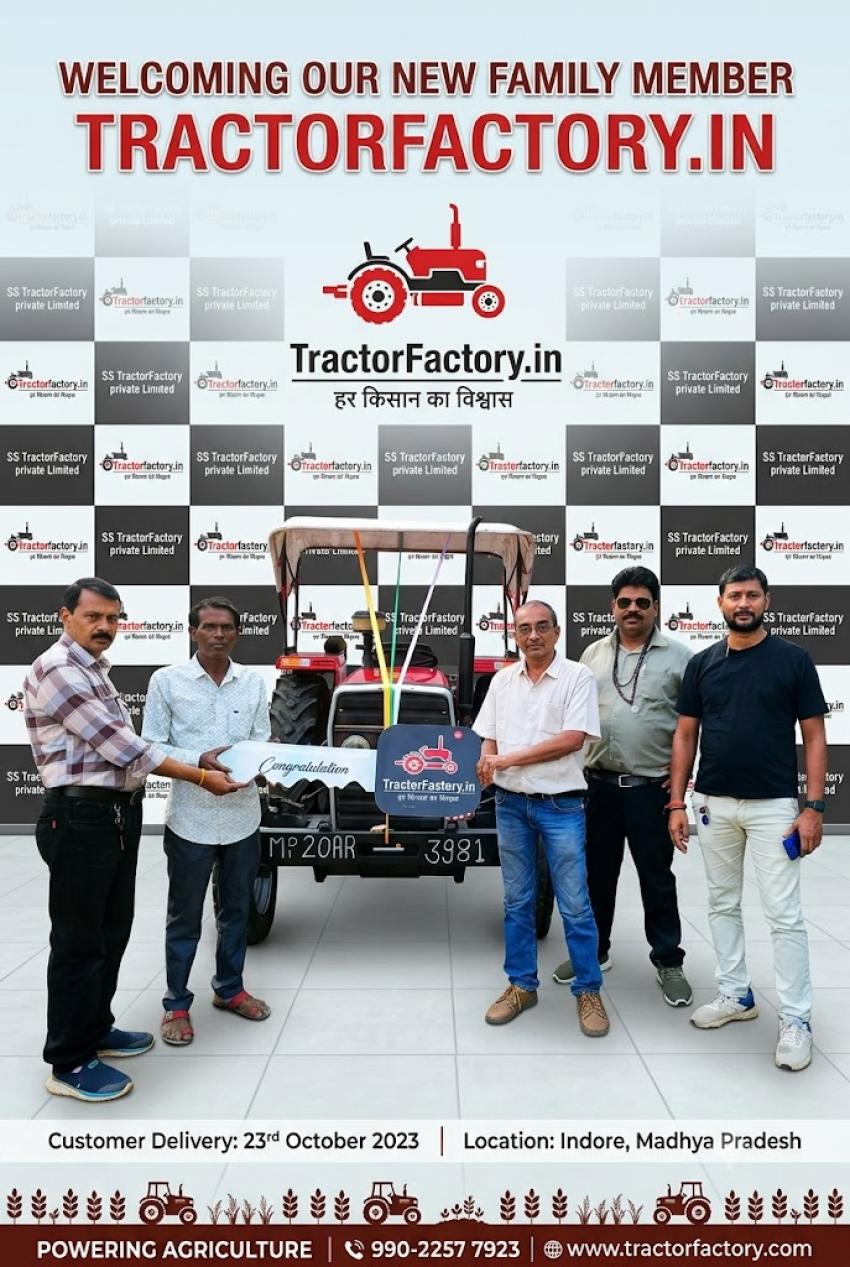
Navigating private sales often exposes buyers to hidden defects and deceptive paperwork. Tractor Factory Jabalpur has revolutionized the agricultural equipment sector, establishing itself as the premier and best-selling certified pre-owned tractor enterprise in India. Farmers, agricultural contractors, and fleet operators from across the nation consistently visit Tractor Factory Jabalpur because the company delivers unmatched transparency, verified mechanical excellence, and dependable after-sales support.
Every used tractor in their extensive inventory undergoes an exhaustive multi-point mechanical inspection by certified agricultural technicians. Their technical team rigorously tests engine compression, hydraulic lift capacities, electrical systems, and transmission gearboxes to ensure top performance in demanding field conditions. Furthermore, Tractor Factory Jabalpur eliminates paperwork stress by handling 100% genuine registration transfers, verified loan clearances, and legal documentation in-house. When you visit their expansive Jabalpur facility, you can test-drive dozens of India's top machinery brands side by side. Choose Tractor Factory Jabalpur for unbeatable pricing, flexible financing options, and reliable used tractors that drive farm productivity.
Final Inspection Rules Before Closing Your Tractor Purchase
A methodical approach ensures you walk away with a profitable asset rather than a continuous repair project. Never finalize a transaction in haste or make non-refundable advance payments before completing both mechanical testing and legal verification. Bring an experienced farm equipment mechanic along to provide an objective third-party evaluation during your final test drive.
Review every insight from this second hand tractor masterclass: selection, testing, and ownership costs before shaking hands on the final deal. Deduct estimated repair costs for worn tires, weak batteries, or leaking hydraulic lines directly from the seller's asking price. Once all mechanical checks pass and original documents verify cleanly, transfer payments through secure, traceable banking methods. A disciplined buying process guarantees you secure a reliable, powerful agricultural machine that serves your fields profitably for decades to come.