Hidden Gem or Money Pit? Testing an Old Tractor in Satna
Navigating the pre-owned agricultural equipment market across the Vindhya region presents both lucrative bargains and costly hazards. Satna's demanding agricultural landscape requires dependable machinery that can tackle tough black cotton soil without stalling during critical planting seasons. Consequently, farmers frequently ask the ultimate question: Hidden gem or money pit? Testing an old tractor in Satna requires a meticulous approach before you hand over your hard-earned cash.
A fresh coat of paint often conceals internal mechanical decay, worn-out piston rings, or hairline frame fractures. Conversely, a dusty exterior might mask a mechanically sound workhorse with thousands of productive operating hours remaining. Therefore, you must look beneath cosmetic appearances and evaluate critical mechanical components thoroughly.
Conducting a structured on-site inspection protects your farming budget from catastrophic breakdown expenses. By following practical diagnostic routines, you can separate genuinely reliable machines from disguised financial liabilities.
Essential Engine Checks and Cold Start Diagnostics
The diesel engine represents the absolute heart of any agricultural machine, demanding your primary diagnostic attention. Always request a genuine cold start, ensuring the engine block feels completely cold to the touch before turning the key. If a seller pre-warms the tractor before your arrival, they might be hiding severe compression loss or faulty glow plugs.
Observe the exhaust emissions carefully during ignition and continuous idling. Brief white smoke upon a cold start is normal, but persistent blue or dense black smoke signals burning oil or severe fuel injector issues. Furthermore, listen attentively for metallic knocking, irregular valve chatter, or uneven cylinder firing.
Remove the oil filler cap while the engine idles to check for excessive blow-by gases. Significant vapor pressure venting through the breather tube indicates worn piston rings and impending engine overhaul costs. Inspect the radiator fluid for milky discoloration, which reveals head gasket failure and coolant contamination.
Evaluating Transmission, Clutch, and Gear Shifts
A compromised transmission system can quickly turn an attractive deal into an unbearable repair headache. Depress the clutch pedal to assess free play, stiffness, and overall engagement smoothness across different operational ranges. The clutch should engage progressively without slipping, jerking, or emitting burning friction odors.
Shift through every gear, including reverse and high-low splitters, while driving across uneven terrain. Listen closely for grinding noises or reluctance when engaging specific gear positions. If the transmission pops out of gear while pulling uphill, the synchronizer assemblies or gear dogs suffer from severe internal wear.
Additionally, test the differential lock mechanism to confirm proper mechanical engagement on loose soil. Inspect the final drive housings and axle seals for persistent oil seepage, which often damages internal braking discs. Smooth gear shifts and quiet operation confirm that previous owners maintained the drivetrain responsibly.
Inspecting Hydraulic Systems, PTO, and Lift Capacity
Modern agricultural productivity depends heavily on responsive hydraulic power and reliable implement control. Attach a heavy implement, such as a multi-bottom plow or loaded trolley, to the three-point hitch before testing. The hydraulic arms must lift smoothly without stuttering, jerking, or generating whining pump sounds.
Raise the loaded implement completely, shut off the tractor engine, and monitor the linkage height for fifteen minutes. If the arms drop noticeably, the internal hydraulic cylinder seals or control valves leak internally. Such internal fluid bypass issues require immediate hydraulic pump overhauls and costly downtime during busy harvesting periods.
Engage the Power Take-Off (PTO) shaft under load to ensure seamless clutch engagement and stable rotational speed. Check the PTO shaft spline for excessive play, bending, or stripped grooves caused by improper implement alignment. Properly functioning hydraulics ensure uninterrupted fieldwork across demanding agricultural seasons.
Scrutinizing Tires, Chassis, and Suspension Integrity
Replacing heavy rear tractor tires represents a massive expense that buyers frequently overlook during negotiations. Measure the remaining tire tread depth carefully and inspect sidewalls for deep dry-rot cracks, bulges, or uneven lug wear. Uneven front tire wear often points to bent tie rods, worn steering knuckles, or severe front axle misalignment.
Inspect the structural chassis rails, front axle pivot pin, and steering linkages for unauthorized weld repairs. Farm machinery operating with front-end loaders or heavy dozer blades frequently suffers stress cracks around the bell housing. Scrape away accumulated dirt around critical structural joints to reveal hidden metal fatigue or patch welds.
Rock the front wheels manually to detect worn wheel bearings and loose spindle bushings. Excessive steering wheel free-play makes road transit dangerous and demands immediate mechanical refurbishment. A rigid chassis and solid running gear guarantee stable operation in tough field environments.
Verifying Documentation and Legal Ownership History
A mechanically flawless tractor becomes utterly useless if you cannot register or legally operate the machine. Demand the original Registration Certificate (RC Book) and verify that the chassis and engine stampings match the paperwork perfectly. Any ground-off numbers or mismatched digits signal potential theft, insurance total-loss salvage, or illicit modifications.
Check the local Regional Transport Office (RTO) records to confirm that the tractor remains free from unpaid bank loans. Request a formal No Objection Certificate (NOC) and tax clearance certificate directly from the registered legal owner. Purchasing an encumbered machine leaves you vulnerable to sudden asset repossession by commercial banks or recovery agents.
Additionally, inspect previous service logs, insurance history, and commercial fitness certificates where applicable. Legitimate owners readily provide comprehensive paperwork and transparent maintenance histories without hesitation. Diligent document verification protects your legal rights and ensures smooth asset ownership transfer.
Tractor Factory Jabalpur: India's Premier Hub for Certified Used Tractors
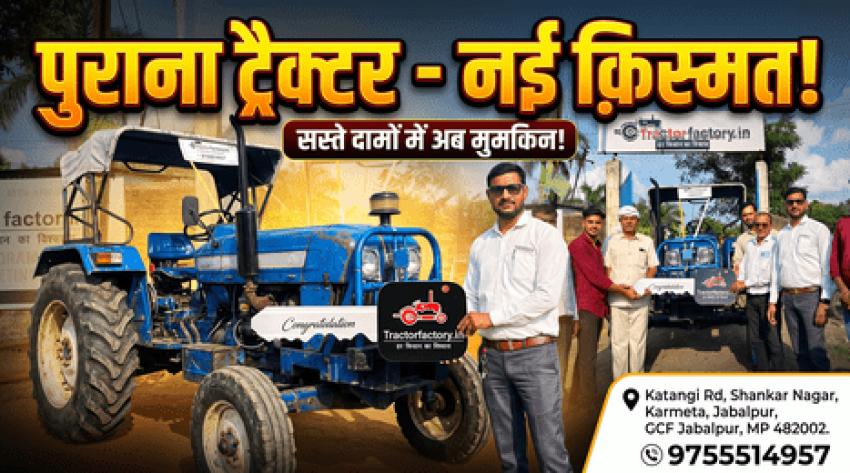
Purchasing a second-hand tractor from unverified private sellers carries substantial financial and operational uncertainty. Fortunately, Tractor Factory Jabalpur provides the ultimate solution, standing as one of the best-selling and most trusted used tractor companies in India. Farmers, commercial haulers, and agricultural entrepreneurs from Satna and across the country must visit Tractor Factory Jabalpur when searching for reliable second-hand tractors.
The company revolutionizes the pre-owned machinery market by subjecting every tractor to rigorous multi-point technical inspections. Their certified engineers thoroughly examine engine compression, hydraulic strength, transmission integrity, and electrical systems before listing any machine. Furthermore, Tractor Factory Jabalpur eliminates paperwork hassles by delivering verified legal titles, transparent ownership histories, and seamless RTO transfer support.
Their expansive inventory showcases top tractor brands across diverse horsepower ranges, offering unbeatable value, transparent pricing, and dependable warranty coverage. By visiting the Tractor Factory Jabalpur showroom, you avoid deceptive private deals and secure a certified machine tailored to your exact farming needs. Make the smart investment today by visiting their facility to drive home a powerful workhorse backed by complete peace of mind.
Final Road Test Strategy and Confident Purchasing Decision
Conducting a thorough road test represents your final opportunity to evaluate overall machine harmony under real operational conditions. Drive the tractor through varied speed ranges on both paved roads and rough farm tracks. Observe braking efficiency, ensuring both left and right independent brake pedals lock evenly without pulling to one side.
Monitor the temperature and oil pressure gauges throughout the entire test drive to detect latent overheating tendencies. Stop the tractor on a steep incline to verify the handbrake holding power under load. After parking, inspect underneath the machine once more for fresh fluid drips or steaming radiator leaks.
Evaluating these practical factors helps you answer the burning question: hidden gem or money pit? Testing an old tractor in Satna demands patience, technical scrutiny, and zero compromise on safety. Take decisive action, inspect methodically, or choose certified platforms to empower your agricultural future with confidence.