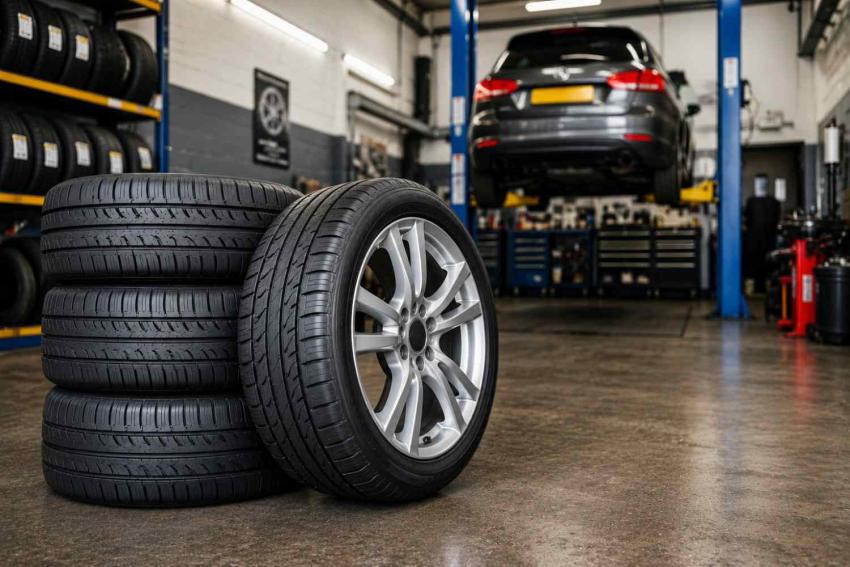
How can a motorist be assured that a new set of rubber will give him the maximum in safety and durability to meet his particular driving needs? A lot of people see tyre changes as a straightforward transaction based on price. But the rubber compound and tread pattern are the main contact points between the chassis and the tarmac. Selecting the wrong specification could mean longer stopping distances and poor handling during emergency manoeuvres.
Selecting and fitting new tyres in a structured manner helps to prevent common mistakes that cause premature wear. This requires a basic understanding of vehicle requirements and an overview of the different performance tiers available on the market. Following professional standards helps drivers maintain the structural integrity of their vehicle while ensuring every journey remains as efficient as possible.
Assessing Current Tyre Condition and Wear
A fitting process should always begin with a complete inspection of the current set to find out any hidden mechanical problems. The legal minimum tread depth in the UK is 1.6mm, but many experts recommend replacing tyres once they reach 3mm to maintain good wet-weather grip. Drivers should check for signs of uneven wear, such as thinning on the inner or outer shoulders. This usually indicates a problem with the wheel alignment or suspension components.
Just as important is checking for physical damage before deciding on a replacement strategy. Any bulges in the sidewall or deep cuts from hitting a kerb show that the internal carcass has been compromised. Drivers choosing high-quality Car Tyres Hull should first ensure the vehicle is in a suitable condition to receive them. Fitting new rubber to a car with faulty tracking will cause the new tread to wear out within a few thousand miles.
Understanding Manufacturer Specifications and Load Ratings
Every vehicle has a specific set of requirements dictated by the manufacturer to ensure the suspension and braking systems work correctly. The width, profile and rim size are listed on a placard inside the door frame or in the handbook. Departing from these dimensions may cause inaccurate speedometer readings or tyre contact with the wheel arch during full steering lock.
Two of the most overlooked parts of the selection process are load and speed ratings. The load index is the maximum weight a single wheel can carry, and the speed symbol is the highest speed the rubber can handle. It is a legal requirement to fit tyres that meet or exceed the original equipment specifications. Selecting an underrated set could lead to structural failure under the heat and pressure of motorway driving.
Comparing Premium Midrange and Budget Options
The tyre market is split into various levels to cater for a variety of budgets and performance expectations. Premium brands spend a lot on research and development to develop rubber compounds that are flexible at different temperatures. These tyres often incorporate advanced silica-based compounds that reduce rolling resistance, helping to reduce fuel consumption and carbon emissions over the life of the tread.
Mid-range options tend to offer a good mix of longevity and affordability for the average daily commuter. Budget tyres are made to meet all UK safety standards but often use harder compounds that may not give the same level of grip in the rain. Drivers should weigh the initial saving of a cheaper set against the potential for a shorter service life. A more expensive tyre with lower rolling resistance often proves more economical by extending the time between replacements.
Selecting the Correct Seasonal Tread Pattern
Weather conditions have a huge role to play in how a tyre performs on the road surface. Summer tyres use a harder compound that works best when temperatures are above seven degrees Celsius. They feature fewer sipes and a tread pattern designed for dry grip and water displacement during heavy summer downpours. In freezing weather, the rubber becomes brittle and loses significant grip on icy patches.
Winter tyres use natural rubber to remain pliable in the cold. They feature a mountain snowflake symbol and deep grooves for snow. All-season tyres offer a versatile compromise. These hybrids perform well throughout British seasons without requiring extra storage space.
Professional Installation and Final Safety Checks
Once the correct tyres are selected, the installation process must be handled by a technician using calibrated equipment. The technician will remove the old casing and inspect the rim for any signs of corrosion or damage that could prevent a proper seal. A new valve is usually fitted to prevent air leaks, and the wheel is balanced using small weights to ensure it rotates without causing vibrations through the steering wheel. Many opt for Mobile Tyre Fitting Hull to save time. This service ensures tyres reach manufacturer-specified pressures. Correct inflation prevents poor grip. After fitting, wheel nuts are torqued to ensure the assembly remains secure.
Conclusion
Selecting tyres requires technical knowledge. Understanding sidewall markings, seasonal needs, and professional balancing improves road safety. Researching brands and checking alignment protects the investment. Quality tyres provide the traction and stability needed for daily driving. Careful consideration of these factors ensures vehicle performance. Making informed choices regarding tyre maintenance remains essential for all motorists. Prioritising these safety steps guarantees a smoother driving experience.
https://thetyresshop.blogspot.com/2026/08/need-tyres-fast-discover-cheap-tyres.html