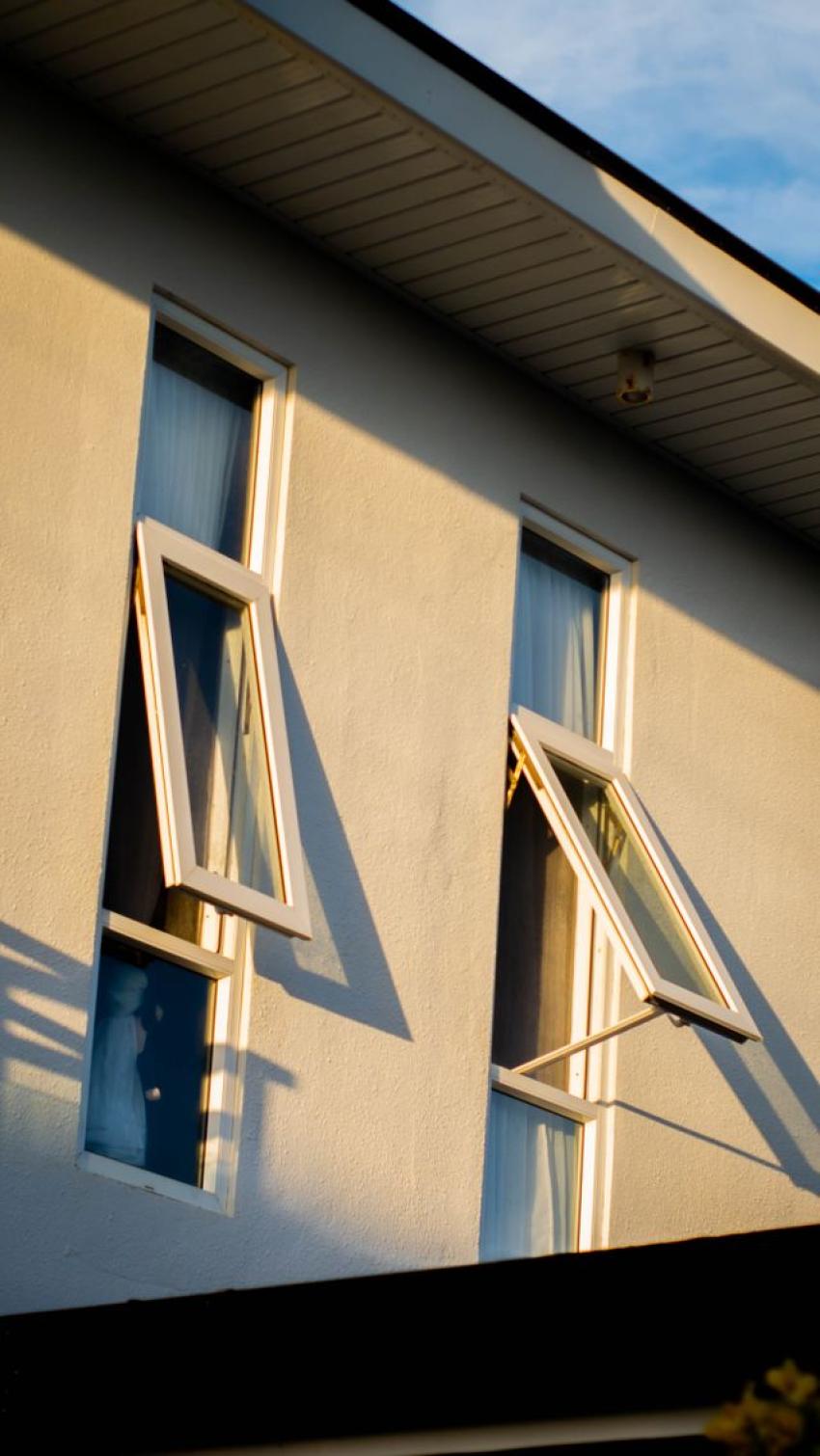
In the Philippines, selecting the right window frame material significantly impacts indoor comfort and energy efficiency. An Awning Window Philippines offers a practical solution for ventilation while minimizing heat transfer. However, the frame material determines how well the window insulates against the country’s high humidity and temperatures. This article examines popular frame materials—aluminum, uPVC, wood, and composites—to help homeowners make informed decisions about thermal performance, durability, and maintenance.
Thermal Conductivity and Insulation Properties
Aluminum Frames: Lightweight but Conductive
Aluminum frames are prized for their strength and slim profiles, allowing larger glass panes. However, aluminum is a highly conductive material, transferring heat rapidly between outdoors and indoors. In the Philippines’ hot climate, this can lead to uncomfortable indoor temperatures and higher air-conditioning costs. Thermal break technology—a plastic insulator embedded within the frame—mitigates conductivity but adds to the price.
uPVC Frames: Superior Insulation
Unplasticized polyvinyl chloride (uPVC) frames provide excellent thermal insulation due to their low conductivity. Their multi-chambered structure traps air, reducing heat transfer. For an Awning Window Philippines, uPVC’s insulating properties help maintain stable indoor temperatures, lowering reliance on mechanical cooling. Additionally, uPVC resists warping and fading under prolonged sun exposure, making it a durable choice for coastal regions.
Wood Frames: Natural Insulation with Maintenance Needs
Wood offers natural thermal resistance, comparable to uPVC, and adds aesthetic warmth to interiors. However, in the Philippines’ humid environment, untreated wood is prone to rot, termites, and warping. Regular maintenance, such as sealing and painting, is essential to preserve its performance. While wood frames suit heritage homes, their upkeep demands may outweigh benefits for modern urban settings.
Hybrid Materials: Combining Strength and Efficiency
Composite frames, which blend materials like aluminum-clad wood or fiberglass-reinforced uPVC, aim to balance durability and insulation. For instance, aluminum-wrapped wood frames protect against moisture while retaining wood’s thermal resistance. Fiberglass composites, though less common, offer low expansion rates and UV resistance, making them suitable for prolonged exposure to tropical sunlight.
Installation and Integration Considerations
Precision in Fit and Sealing
Even the most thermally efficient frame will underperform if improperly installed. Gaps between the window frame and wall structure create thermal bridging, allowing hot air infiltration. Professional installers use expanding foam sealants and weather-resistant barriers to eliminate gaps. For an Awning Window Philippines, ensuring tight integration with exterior cladding—such as stucco or siding—prevents water ingress that could compromise insulation over time.
Alignment with Building Orientation
Window placement relative to the sun’s path affects thermal performance. South-facing windows in the Philippines receive intense midday sun, requiring frames with superior UV resistance. East- and west-facing windows, exposed to morning and afternoon glare, benefit from materials that resist rapid temperature fluctuations. uPVC and composite frames, with their stable thermal properties, adapt better to these directional challenges than aluminum.
Climate-Specific Material Selection
Coastal vs. Inland Applications
Properties near the coast face additional challenges: salt spray accelerates corrosion in metal frames, while humidity promotes mold growth in untreated wood. uPVC frames, immune to both corrosion and decay, outperform other materials in these environments. Inland homeowners, meanwhile, should prioritize materials that resist prolonged UV exposure, such as uPVC with UV stabilizers or aluminum with powder-coated finishes.
Urban Heat Island Effect
Cities like Manila experience elevated temperatures due to concrete density and reduced greenery. In these areas, selecting frames with the lowest thermal conductivity becomes critical. uPVC’s insulating properties reduce heat gain, while aluminum frames with full thermal breaks provide a compromise for high-rise buildings where weight and space constraints matter.
Performance Metrics and Evaluation Frameworks
Understanding U-Values and Solar Heat Gain Coefficients
Homeowners can compare frame materials using standardized metrics:
U-value: Measures heat transfer through the frame. Lower values indicate better insulation (uPVC: 1.2–1.8 W/m²K; aluminum: 3.0–6.0 W/m²K).
Solar Heat Gain Coefficient (SHGC): Rates how well frames block heat from sunlight (ideal range: 0.25–0.40 for tropical climates).
These metrics, often listed in product datasheets, allow direct comparisons between materials.
Lifecycle Cost Analysis
A lifecycle cost analysis considers upfront costs, energy savings, and maintenance over 20–30 years. For example, while uPVC frames may cost 20% more initially than aluminum, their energy savings over a decade can offset the difference. Homeowners should also factor in replacement frequency: wood frames may need refinishing every 5–7 years, whereas uPVC requires minimal upkeep.
Noise Insulation Benefits
Sound Reduction in Urban Environments
Beyond thermal performance, frame materials affect noise levels. Multi-chambered uPVC frames dampen outdoor noise more effectively than hollow aluminum sections. This benefit is particularly valuable in densely populated areas or near busy roads. Double-glazed windows with uPVC frames can reduce noise by up to 40 decibels, enhancing indoor comfort.
Environmental Impact
Sustainable Material Choices
uPVC frames are energy-intensive to produce but recyclable at end-of-life. Wood frames sourced from certified forests offer renewable options, though deforestation risks exist. Aluminum is recyclable but requires significant energy for extraction. Composite materials that blend recycled plastics and wood balance sustainability with performance.
Energy Efficiency and Carbon Footprint
Choosing frames that reduce reliance on air conditioning lowers a home’s carbon footprint. For Philippine climates, uPVC’s insulation properties align with eco-friendly goals, while aluminum’s conductivity counteracts energy-saving efforts.
Key Takeaway
The choice of frame material profoundly affects the thermal performance of an Awning Window Philippines. uPVC emerges as a top contender for its insulation, durability, and low maintenance, while aluminum and wood require trade-offs in conductivity and upkeep. Homeowners should evaluate climate conditions, budget, and long-term energy costs to select the most efficient solution for their needs.