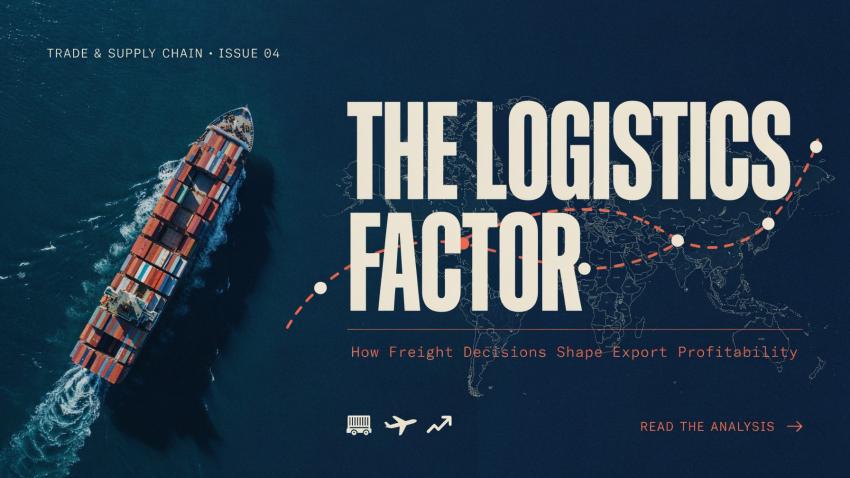
When people talk about pharma exports, most of the conversation goes towards manufacturing quality, pricing or regulatory approvals. Freight and logistics usually get pushed to the side, almost like an afterthought. But if you actually sit down and look at the numbers, freight decisions often make the difference between a healthy profit margin and a shipment that barely breaks even.
Let's start with something simple. Medicines are not like regular cargo. Many of them need temperature controlled storage, careful handling, and timely delivery because expiry dates matter. One wrong choice in freight, whether it is picking the wrong shipping partner or choosing a slower route to save a little money upfront, can end up costing a lot more later. Delayed shipments sometimes mean products sitting in customs longer than expected, and that eats into shelf life, which directly affects how much a company can sell before the product expires.
A pharma company handling exports to a place like Malawi, UAE or Malaysia knows this problem very well. Each of these regions has different port infrastructure, different customs processes and different transit times. Shipping to UAE from India, for example, might take just a few days by sea, while reaching parts of Malawi could involve multiple transit points and take much longer. Companies that plan their freight strategy around these differences tend to protect their margins better than those who use a one size fits all approach for every country.
One thing that often gets overlooked is how logistics choices affect pricing decisions right from the start. If a company knows shipping to a certain region is expensive or slow, they usually build that cost into their pricing early on rather than absorbing the loss later. This is especially true for companies working with third party derma manufacturing setups, where the manufacturing itself might already run on tighter margins compared to general medicines. Getting the freight cost wrong in such cases can turn a profitable deal into a loss making one very quickly.
Volume also plays a big role here. Companies that export a wide range of products, sometimes running into 400+ SKU products across different categories, have an advantage when it comes to negotiating freight rates. Shipping lines and logistics partners are usually more flexible with pricing when they know a company sends large and consistent volumes rather than occasional small shipments. This is one reason why many mid sized and large pharma exporters try to consolidate their shipments as much as possible, combining multiple orders into a single container instead of sending several smaller ones separately.
Packaging is another part of this puzzle that people don't think about enough. Good packaging protects the product, but it also affects shipping weight and space, both of which directly impact freight cost. A company that invests a bit more in smart, compact packaging often ends up saving more in the long run through lower freight charges, compared to a company that uses bulky packaging just because it looks nice on the shelf.
Choosing between air and sea freight is another decision that shapes profitability in a big way. Air freight is fast, which is great for urgent orders or products with a shorter shelf life, but it is also expensive. Sea freight takes longer but costs a fraction of what air shipping does. Smart exporters usually mix both, using air freight only when absolutely necessary and relying on sea routes for the bulk of their regular shipments. This kind of balance helps keep the average freight cost per unit much lower.
Insurance and customs documentation also deserve a mention here. Mistakes in paperwork can lead to shipments being held at ports, and every extra day a shipment sits idle adds to storage charges. Companies that have their documentation process streamlined, with everything prepared correctly before the shipment even leaves the factory, avoid a lot of these unnecessary costs.
At the end of the day, freight is not just a logistics function sitting separately from the business. It is directly tied to how much profit a company actually makes on each export order. The exporters who treat freight planning as seriously as they treat manufacturing or sales tend to build stronger, more sustainable businesses in international markets. Whether it is a pharma company shipping to UAE, working through complex routes into Malawi, or managing steady volumes into Malaysia, the companies that pay close attention to their freight decisions are usually the ones that stay profitable even when market conditions get tough.
In the end, good products and good pricing can only take a company so far. Without smart logistics decisions backing them up, even the best pharma brands can end up losing money on shipments that should have been profitable in the first place.