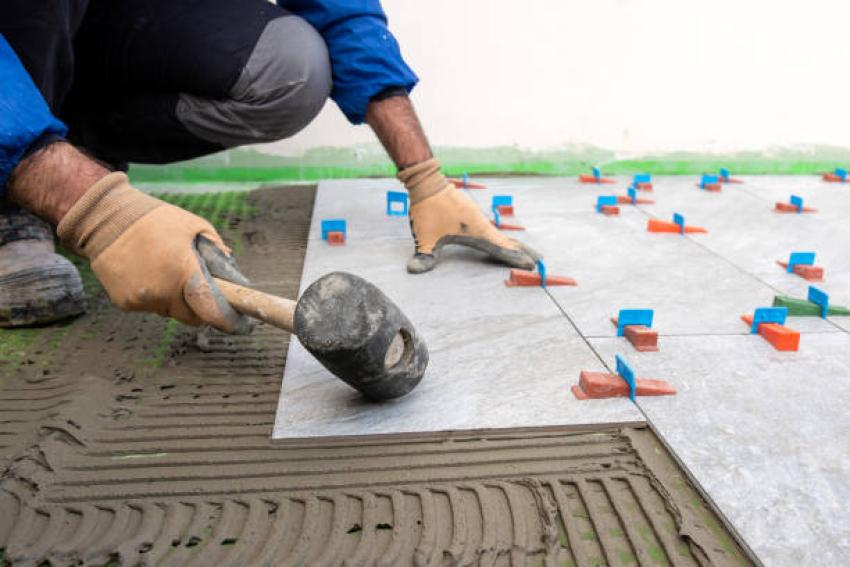
Hiring the wrong tile contractor is one of those mistakes that doesn't show up right away. The grout looks okay at first. The tiles seem level. Then, a few months in, you've got cracked grout lines, tiles popping off the wall, and a contractor who's stopped returning calls. It happens more than people realize. If you're planning a bathroom remodel, a kitchen backsplash, or a new floor, knowing what to check before signing anything can save you a serious headache. To find the Best Tile Contractors in Laguna Niguel CA, you need to do a bit of homework first, and this article walks you through exactly what that looks like.
1. Verify Licensing and Insurance
This one's non-negotiable. California requires tile contractors to hold a valid C-54 license issued by the Contractors State License Board. Ask for the license number and look it up yourself at the CSLB website. Takes about two minutes. An unlicensed contractor might quote you a lower price, but if something goes wrong, your homeowner's insurance may not cover the damage, and you'd have almost no legal recourse.
Insurance matters just as much. You want to see general liability coverage and workers' compensation. If a worker gets hurt on your property and there's no workers' comp, you could be on the hook for medical bills. Don't just ask if they're insured. Ask them to send you the certificate so you can check the policy dates and coverage limits yourself. A legitimate contractor won't hesitate to do that.
The California Contractors State License Board consumer guide has a lot of useful detail on how to verify a contractor's credentials before any money changes hands.
2. Ask to See a Real Portfolio
Photos on a website can be cherry-picked or, worse, pulled from somewhere else entirely. Ask to see a portfolio of actual completed jobs, and look at it critically. Good tile work has consistent grout joint width throughout. Surfaces should be flat with no lippage, which is when one tile edge sits higher than the next. Pattern alignment should be tight and intentional, not slightly off in a way that catches your eye.
If you can, ask to visit a completed project in person. Most homeowners are fine with a quick walkthrough if the contractor asks politely. Seeing tile work in real life tells you a lot more than any photo does. Look at the corners. Check the transitions between different materials. Those are the spots where less skilled installers tend to cut corners.
3. Get an Itemized Written Quote
Vague estimates are how surprise charges happen. "Labor and materials" isn't a quote. It's a placeholder that can balloon once the job starts. A proper written quote should break out the cost of materials separately from labor, and it should list any additional work that might be needed, like substrate prep, waterproofing membrane, backer board installation, or demo of existing tile.
Get quotes from at least two or three contractors. Not to find the cheapest one, but to understand what's actually included in each bid. If one quote is dramatically lower than the others, figure out why before assuming it's a deal. Sometimes it means they've left something out. Sometimes it means they're using lower-grade materials. Either way, you want to know upfront, not after they've already started tearing up your floor.
4. Check References and Recent Reviews
Ask for references. Real ones, not just names of friends or family. You want past clients from projects completed in the last year or two, ideally jobs similar in size and type to yours. When you call, ask specific questions. Did they finish on time? How did they handle cleanup at the end of each day? Were there any costs that came up that weren't in the original quote, and if so, how did the contractor handle it?
Online reviews are useful too, but read them carefully. Look at the one-star and two-star reviews, not just the glowing ones. See how the contractor responded to complaints. A contractor who gets defensive or blames customers in their responses is probably going to be difficult to work with if something goes sideways on your job. Any Tile Contractor in Laguna Niguel CA worth hiring will have a track record you can actually verify.
5. Confirm They Have Experience With Your Specific Tile
Not all tile is the same to install. Porcelain is dense and hard to cut, requiring specific blades and tools. Natural stone like marble or travertine needs sealing and can crack if the substrate isn't perfectly flat. Mosaic tile on mesh backing takes patience and a good eye for pattern continuity. Large-format tiles, anything over 24 inches, require a flat surface tolerance that's tighter than standard installation.
Ask the contractor directly about their experience with the specific material you're using. If you're installing 48x48 rectified porcelain slabs and the contractor mostly does 4x4 ceramic bathroom tile, that's a real skill gap. It doesn't mean they can't learn on your job, but it does mean you'd be paying for that learning curve. Worth asking about. Worth knowing the answer before you commit.
6. Clarify the Timeline and Who's Actually Doing the Work
Some contractors win the job and then hand it off to subcontractors you've never met. That's not always a bad thing, but you should know about it upfront. Ask who will be on-site doing the actual installation. Ask if the person you're meeting with will be present during the job or just checking in occasionally. Communication gaps between a contractor and their subs are a pretty common source of mistakes.
Get a realistic timeline in writing. Not a promise, but a schedule with start date, estimated completion, and what happens if the job runs long. If you're a Tile Contractor in Laguna Niguel CA doing quality work, you're usually booked out a few weeks, so a contractor who can start tomorrow might be a yellow flag worth exploring. Innovative Interiors is one example of a local company that walks clients through scheduling and subcontractor details before any contract is signed, which is the kind of transparency that makes a real difference.
7. Understand the Warranty and What Happens If Something Fails
Ask about warranty coverage before you sign anything. A good tile contractor should stand behind their labor for at least a year, often longer. Get the warranty terms in writing. Find out what exactly is covered, workmanship only, or materials too? Find out how to make a claim and how quickly they commit to responding.
Also ask what their process is if a tile cracks or a grout joint fails within the warranty period. Do they come out and fix it, or do you have to fight for it? A contractor who's done quality work isn't usually afraid of this question. The ones who get evasive are often the ones who know their work might not hold up. That reaction alone tells you something useful.
Finding the Best Tile Contractors in Laguna Niguel CA comes down to doing a handful of straightforward checks before any money moves. License, insurance, portfolio, references, experience with your specific material, a clear timeline, and a real warranty. None of it is complicated, but most homeowners skip most of it.
Frequently Asked Questions
How do I verify a tile contractor's license in California?
Go to the CSLB website at cslb.ca.gov and use their license lookup tool. You'll need the contractor's name or license number. It shows you whether the license is active, what type it is, and if there are any complaints or disciplinary actions on record. Takes about two minutes and it's free.
What's a fair price for tile installation in Southern California?
It varies a lot depending on tile type, square footage, and how much prep work is needed. Roughly speaking, labor-only rates tend to run anywhere from $8 to $20 per square foot for standard tile, and higher for large-format or natural stone. Always get itemized quotes so you're comparing apples to apples, not just bottom-line numbers.
How long does a typical tile project take?
A standard bathroom floor or shower surround usually takes two to four days, not counting drying and cure time for the mortar and grout. Larger jobs or ones with complicated patterns take longer. Make sure your contractor gives you a written schedule, not just a verbal guess.
Should I buy my own tile or let the contractor source it?
Both approaches work. If you buy it yourself, you control the material quality and cost directly. If the contractor sources it, make sure the quote specifies the tile brand, size, and grade so you know exactly what you're getting. Either way, order about 10 to 15 percent extra to account for cuts and breakage.
What questions should I ask a tile contractor's references?
Ask if the project finished on or near the scheduled date. Ask about daily cleanup habits, since a messy job site usually signals a disorganized contractor. Ask if any unexpected costs came up and how the contractor handled them. And ask simply whether they'd hire that contractor again. That last one usually gets the most honest answer.