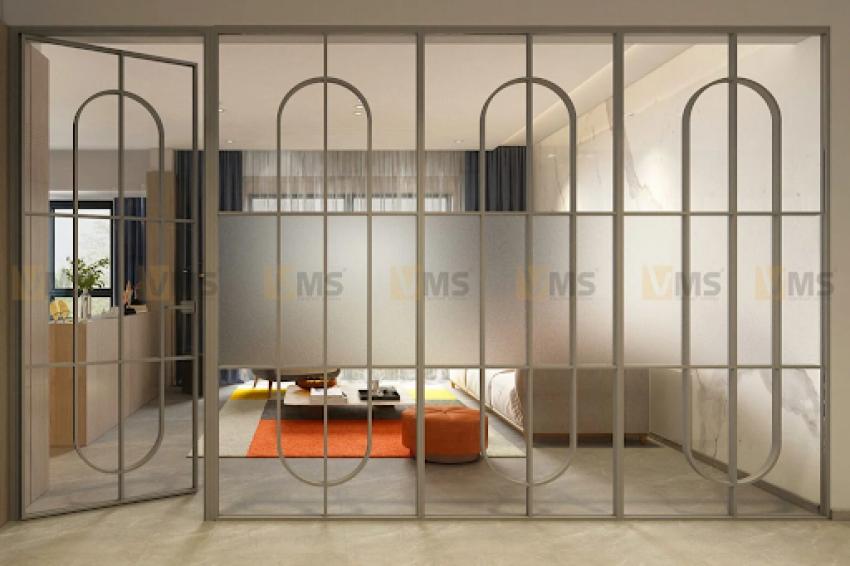
What is the Definition of Aluminum Profile?
Aluminum profiles refer to structural items that have been designed using aluminum alloy and have been formed through extrusion. Such items form the backbone of several internal systems, including wardrobe doors, kitchen cabinets, glass dividers, and showers, among others.
Key Definition: An aluminum channel or aluminum profile refers to aluminum sections that have certain cross-sections designed to be used for loading, guiding systems, and integration into modern interior systems.
Why Do Architects Specify Aluminum Profiles?
Structural Integrity
Aluminum profiles provide exceptional strength-to-weight ratios. A single aluminum channel can support substantial loads while remaining lightweight, critical for installation efficiency and long-term structural reliability. Architectural aluminum maintains dimensional accuracy across thousands of cycles without deformation.
Design Flexibility
Profile specifications come in infinite cross-sectional variations. Architects can specify profiles matching exact design requirements: groove depths for finger grips, integrated guide rails, drainage channels, or decorative surface treatments. This customization capability is unavailable with standard materials.
Corrosion Resistance
Premium aluminum profiles feature anodized or powder-coated surfaces providing superior corrosion resistance. In Indian climate conditions, high humidity, salt-laden coastal air, and temperature fluctuations, architectural aluminum outperforms steel and maintains aesthetic appeal indefinitely.
Installation Precision
Extruded aluminum profiles maintain tight tolerances (±0.1–0.5mm depending on specifications). This precision eliminates on-site adjustments, accelerates installation timelines, and ensures seamless integration with other interior system components.
Types of Aluminum Profiles Used in Interior Systems
1. Sliding Door Tracks
Guide rails for aluminum profiles in wardrobe and partition systems. Precision-engineered profiles ensure smooth horizontal movement with minimal friction. Load ratings typically range from 10- 25 kg per guide depending on profile specifications.
2. Wardrobe Frame Profiles
Structural frames supporting wardrobe doors, shelves, and backing panels. Aluminum channels provide rigidity while remaining lightweight. Standard depths (15mm, 20mm, 25mm) accommodate diverse design aesthetics.
3. Kitchen Cabinet Profiles
Kitchen profile systems include drawer guides, face frame components, and edge banding. These profiles integrate handles, hinges, and soft-close mechanisms within seamless aluminum structures.
4. Glass Partition Frames
Perimeter framing for glass partition systems. Aluminum profiles accommodate standard glass thicknesses (6mm, 8mm, 10mm) while providing aesthetic refinement through finish options (polished, brushed, anodized, powder-coated).
5. Shower Enclosure Hardware
Aluminum channels form hinge attachments, hardware mounting points, and structural frames for shower enclosure systems. Marine-grade specifications resist humidity and water exposure.
6. Custom Framing Solutions
Tailored aluminum profiles for unique architectural requirements — curved frames, architectural details, integrated LED lighting channels, or specialized load-bearing structures.
Understanding Profile Specifications
Cross-Sectional Geometry
The specification of each particular aluminum profile is responsible for determining its load-carrying capacity, guidance efficacy, and aesthetic compatibility. Engineers decide on which profile to use based on the following:
- Door weight requirements
- Span length between supports
- Aesthetic groove positioning
- Hinge attachment points
- Hardware integration needs
Material Grades
Aluminum used in architecture typically includes alloys like 6063-T5 or 6061-T6. This is because such alloys combine strength, machinability, and corrosion resistance. There are differences in profiles depending on their use; structural profiles should be made from better alloys than decorative ones.
Surface Treatments
- Anodized: Natural protective oxide layer (10–25 microns)
- Powder-coated: Applied polymer coating (70–120 microns)
- Brushed: Mechanical surface finishing for aesthetic appeal
- Polished: Mirror-finish surfaces for premium applications
- Custom finishes: Textured, matte, or specialty colors
Tolerance Standards
Profile specifications maintain dimensional tolerances (±0.1mm to ±0.5mm depending on complexity). This precision ensures:
- Seamless component integration
- Repeatable manufacturing
- Minimal installation adjustments
- Long-term dimensional stability
Applications in Modern Interior Systems
Wardrobe Systems: Aluminum profiles form sliding door tracks, frame structures, and integrated handle grooves. Precision guides ensure smooth operation across 10,000+ opening cycles.
Kitchen Integration: Kitchen profile systems accommodate handleless operation, soft-close hinges, and organizational accessories within unified aluminum structures.
Glass Partitions: Aluminum channels frame glass panels while providing aesthetic refinement and structural integrity. Profiles integrate hinges, gaskets, and hardware seamlessly.
Shower Enclosures: Aluminum profiles support glass enclosure systems while resisting humidity, temperature variation, and water exposure through marine-grade specifications.
Commercial Interiors: Office partition systems, modular furniture, and customized architectural elements rely on aluminum profile flexibility and durability.
Why Aluminum Profiles Matter for Architects
Benefit
Impact
Precision Engineering
Eliminates on-site adjustments
Design Freedom
Infinite customization possibilities
Durability
20–40+ year service life
Corrosion Resistance
Superior performance in Indian climates
Installation Speed
Tolerances reduce construction time
Cost Efficiency
Lightweight = lower transportation costs
Sustainability
Recyclable material with low environmental impact
Key Technical Statistics
- Strength-to-weight ratio: 3x stronger than equivalent steel at 1/3 weight
- Corrosion resistance: Anodized layer protects for 20–40+ years
- Load capacity: Standard profiles support 10- 50 kg depending on specifications
- Tolerance precision: ±0.1mm achievable in precision profiles
- Recyclability: 100% recyclable without property degradation
- Thermal conductivity: Requires thermal breaks in certain applications
- Installation efficiency: Profile precision reduces on-site labor 30–40%
Frequently Asked Questions
- What is the difference between aluminum channels and aluminum profiles?
- These terms are largely synonymous. Aluminum channels typically refer to U-shaped or box sections; aluminum profiles encompass all extruded shapes. Both function as structural/guide components in interior systems.
- How do you choose the right aluminum profile specification
- Determine load requirements, span length, operational cycles, environmental exposure, and aesthetic needs. Consult manufacturer specifications or professional engineers for exact profile selection.
- What surface treatment resists Indian climate conditions best?
- Marine-grade anodizing (20+ microns) or powder-coating (90+ microns) provide superior corrosion resistance in high-humidity and coastal environments.
- Can aluminum profiles be customized?
- Extensively. Custom extrusion dies create specialized profiles for unique architectural requirements. Minimum order quantities typically range from 500 to 1,000 meters.
- What’s the typical service life of aluminum profiles?
- Quality aluminum profiles with appropriate surface treatment last 20–40+ years with standard maintenance. Proper installation and finish quality significantly impact longevity.
- How do thermal properties affect aluminum profile selection?
- Aluminum conducts heat efficiently. In certain applications (exterior frames, thermal barriers), thermal-break profiles incorporating plastic insulators prevent condensation and temperature transfer.
- What load capacity do standard profiles support?
- Standard wardrobe/partition profiles support 10- 25 kg per guide. Heavy-duty commercial profiles support 50kg+. Always verify specific profile load ratings.
VMS Plus Aluminum Profile Solutions
VMS Plus manufactures comprehensive aluminum profile ranges engineered for Indian residential and commercial projects:
- Standard profiles for wardrobe systems, kitchen cabinets, partition frames
- Custom extrusions for specialized architectural requirements
- Multiple finish options (anodized, powder-coated, brushed, polished)
- Marine-grade specifications for humid/coastal applications
- Load-rated systems with verified engineering specifications
- Precision engineering maintaining strict tolerance standards
- Professional technical support for architect specification and installation guidance
Profile Selection — Its Strategic Significance
Aluminum profiles form the invisible infrastructure of modern interiors. Architects who master profile selection unlock design possibilities unavailable with standard materials. Profile specifications determine functionality, aesthetics, durability, and installation efficiency.
The specifications of the profiles determine the performance, appearance, durability and installation efficiency of the profile.
Expertise in aluminum channels, types of aluminum profiles and architectural requirements of aluminum makes the designer more proficient and enhances customer satisfaction.
Contact VMS Plus today for all your specifications of aluminum profiles, custom extrusion services and engineering solutions.