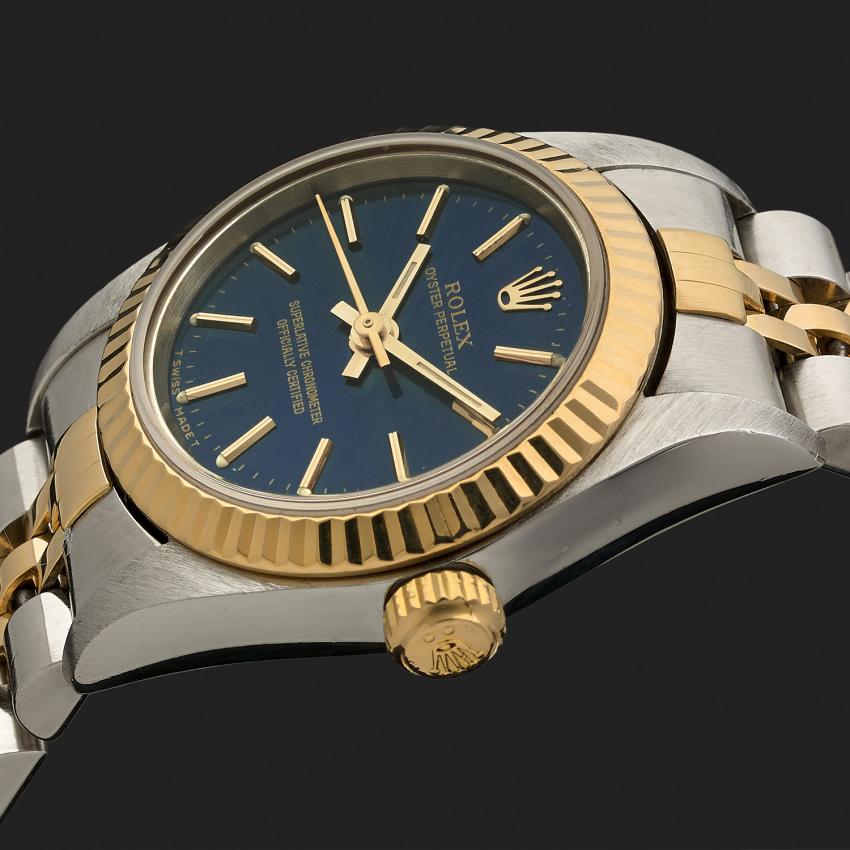
How to Tell if a Rolex Is Real: A Complete Guide for Buyers and Collectors
Owning a Rolex is a goal for many watch enthusiasts. Known for exceptional craftsmanship, timeless design, and precision engineering, Rolex watches have earned a reputation as some of the finest luxury timepieces in the world. Their popularity, however, has also made them one of the most frequently counterfeited watch brands. Modern replicas have become increasingly convincing, making it more difficult than ever to distinguish a genuine Rolex from a fake.
Whether you're purchasing a pre-owned watch, inheriting a family timepiece, or simply verifying a watch before making an investment, knowing how to identify an authentic Rolex is essential. While no single characteristic can guarantee authenticity, examining multiple details together can provide a much clearer picture.
Examine the Overall Quality
The first thing to notice is the overall quality of the watch. Rolex has built its reputation on meticulous craftsmanship, and genuine watches reflect an exceptional level of precision.
A real Rolex should feel solid and well-constructed in your hand. The bracelet, case, bezel, crown, and clasp should fit together seamlessly without gaps or rough edges. Surfaces should display consistent finishing, whether polished or brushed, and transitions between finishes should be crisp and even.
Counterfeit watches often look acceptable from a distance but reveal flaws upon closer inspection. Uneven engraving, poorly finished edges, inconsistent polishing, and loose bracelet components are common signs of inferior manufacturing.
Luxury watchmaking is all about attention to detail, and genuine Rolex watches demonstrate that quality throughout every component.
Check the Weight
One of the easiest ways to notice a difference is by holding the watch.
Authentic Rolex watches are manufactured using premium materials, including stainless steel, gold, platinum, and high-quality sapphire crystal. These materials give the watch a substantial feel without making it uncomfortable to wear.
Many counterfeit watches use lighter metals and less expensive components to reduce production costs. As a result, fake watches often feel noticeably lighter than genuine models.
Weight alone should never determine authenticity, but it can be an early indicator when combined with other observations.
Look Closely at the Dial
The dial is one of the most carefully produced parts of every Rolex watch.
Hour markers should be perfectly aligned, evenly spaced, and securely attached. Printed text should appear crisp, sharp, and easy to read even under magnification. The Rolex logo should be precisely centered, and every letter should have clean, well-defined edges.
Counterfeit watches frequently display slight imperfections that become noticeable upon close inspection. Letters may appear uneven, spacing can be inconsistent, or markers may not align perfectly.
Because Rolex manufacturing standards are extremely high, even small dial defects deserve careful attention.
Inspect the Cyclops Lens
Many Rolex models feature a magnifying lens above the date display known as the Cyclops.
On authentic watches, the date should appear significantly enlarged and remain easy to read. The lens itself should be perfectly centered over the date window and integrated smoothly into the crystal.
Poor magnification, misalignment, or distorted viewing angles may indicate a counterfeit or an aftermarket replacement crystal.
While magnification varies between certain references, clarity and alignment should always be excellent.
Observe the Movement
Unlike quartz watches that tick once per second, most Rolex watches use automatic mechanical movements.
The second hand should move with an exceptionally smooth sweeping motion rather than making large one-second jumps. While the movement is not perfectly continuous, it creates many small beats each second that appear fluid to the naked eye.
Counterfeit watches sometimes use inexpensive quartz movements, resulting in a noticeable ticking motion.
However, some modern replicas also use automatic movements, meaning a sweeping second hand alone cannot confirm authenticity.
Examine the Crown
The winding crown is another area where Rolex demonstrates exceptional machining quality.
The crown should screw into the case smoothly and securely. When unscrewed, winding should feel precise with consistent resistance rather than rough or loose.
The engraved Rolex crown logo should display sharp, clean edges without irregularities.
Poor threading, loose operation, or low-quality engraving may indicate that the watch is not genuine.
Inspect the Bracelet and Clasp
Rolex bracelets are known for their strength, comfort, and precision.
Links should articulate smoothly without excessive looseness. The bracelet should feel substantial while remaining comfortable on the wrist.
The clasp should close securely with a precise, confident action. Opening and closing the clasp should feel smooth rather than stiff or flimsy.
Engravings inside the clasp should be crisp and consistent. Poorly executed markings, rough metal edges, or excessive play within the bracelet may suggest counterfeit construction.
Check the Crystal
Rolex primarily uses scratch-resistant sapphire crystal on modern watches.
The crystal should appear exceptionally clear, allowing the dial to remain highly legible under different lighting conditions.
Scratches on a supposedly newer watch may not necessarily indicate a fake, but inexpensive mineral glass often behaves differently than sapphire crystal.
Viewing the dial from different angles can reveal distortions that lower-quality crystals sometimes produce.
Review the Serial and Reference Numbers
Every genuine Rolex contains identifying numbers that correspond to the watch model and production information.
These engravings should appear clean, evenly spaced, and deeply engraved rather than lightly etched.
The numbers themselves should correspond to the correct model, bracelet style, and production period.
Although counterfeiters have become increasingly skilled at reproducing serial numbers, incorrect formatting or poor engraving quality may still raise concerns.
It's important to remember that the presence of a serial number alone does not guarantee authenticity.
Consider the Documentation
Original documentation can support authenticity but should never be relied upon as the sole indicator.
Many authentic Rolex watches have become separated from their original paperwork over decades of ownership. Conversely, counterfeit watches are often sold with convincing-looking boxes, warranty cards, manuals, and certificates.
Documentation should always be evaluated alongside the watch itself rather than viewed as definitive proof.
The quality of the watch remains far more important than the accessories accompanying it.
Buy from Trusted Sources
Perhaps the best protection against counterfeit watches is purchasing from a reputable seller.
Established luxury watch retailers, respected pre-owned specialists, and experienced dealers typically inspect watches carefully before offering them for sale. Many also provide authenticity guarantees and detailed service histories when available.
Buying from an unknown individual or an unusually inexpensive online listing carries greater risk, particularly when the asking price seems too good to be true.
Taking time to research the seller can be just as important as inspecting the watch itself.
Professional Authentication
If there is any uncertainty, professional authentication remains the most reliable option.
Experienced watchmakers and qualified luxury watch specialists have the expertise and specialized equipment needed to examine movement components, case construction, engravings, and other details that may not be visible during a basic inspection.
Professional evaluation can provide valuable peace of mind before making a significant purchase or selling a valuable timepiece.
For expensive vintage models or highly collectible references, expert authentication is often considered an essential step.
Conclusion
Learning how to tell if a Rolex is real requires careful observation and attention to detail. Rather than relying on one feature, it is best to evaluate the watch as a whole, considering its craftsmanship, weight, dial quality, movement, bracelet, engravings, and overall construction.
As counterfeit technology continues to improve, identifying an authentic Rolex has become increasingly challenging. Fortunately, genuine Rolex watches continue to stand apart through their exceptional engineering, precise finishing, and uncompromising quality.
Whether you are buying your first luxury watch or adding another piece to an established collection, taking the time to inspect the watch carefully—and seeking professional authentication when necessary—can help ensure that your investment is genuine and built to last for generations.