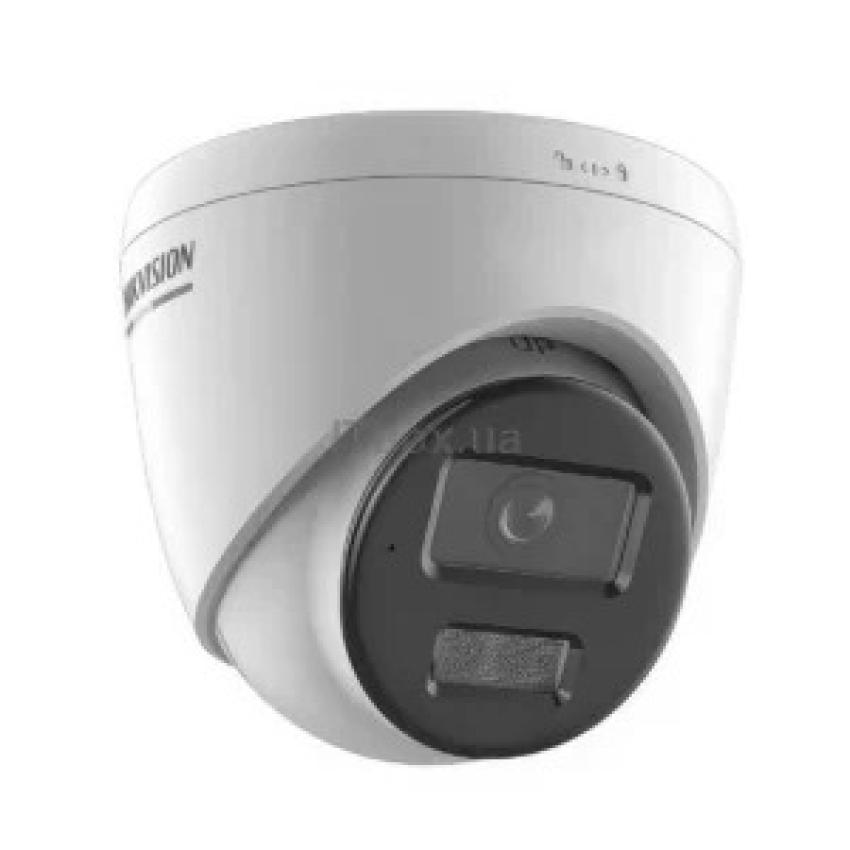
Security technology has evolved significantly over the past decade. Traditional surveillance systems once relied heavily on manual monitoring, requiring security personnel to continuously watch screens and review recordings. Today, Artificial Intelligence (AI) is changing the entire landscape of security and surveillance. The integration of AI into CCTV systems is creating smarter, faster, and more efficient security solutions for homes, businesses, industries, and public spaces.
As technology advances, surveillance systems are becoming more intelligent than ever before. AI-powered systems can analyze behavior, detect suspicious activity, recognize faces, and provide instant alerts in real time. This transformation is shaping the future of security and improving the effectiveness of surveillance systems across different industries.
The Evolution of CCTV Surveillance
Traditional CCTV systems were primarily designed to record video footage for later review. Although they provided valuable security evidence, they had several limitations. Human operators often had to monitor multiple screens simultaneously, increasing the chances of missing critical incidents.
AI-powered surveillance systems are solving these challenges by introducing automated analysis and intelligent monitoring capabilities. Instead of only recording footage, modern systems can understand and interpret activities taking place within a monitored environment.
This shift from passive recording to active monitoring represents one of the most significant technological advancements in the security industry.
How Artificial Intelligence Improves CCTV Systems
AI uses machine learning algorithms and advanced analytics to process video footage more effectively. Rather than simply storing video data, AI systems identify patterns and recognize unusual behaviors.
Some major improvements include:
Real-Time Threat Detection
AI systems can instantly identify suspicious activities such as unauthorized entry, unusual movement patterns, abandoned objects, or restricted area access. Immediate alerts allow faster responses and help reduce security risks.
Facial Recognition Technology
Facial recognition is one of the most discussed applications of AI in surveillance. Advanced systems can identify individuals within seconds and compare faces with stored databases. This technology is increasingly used in airports, offices, government facilities, and commercial buildings.
Reduced Human Error
Human monitoring can become less effective over long periods due to fatigue and distractions. AI operates continuously without losing focus, improving surveillance accuracy and reducing missed incidents.
Smart Video Analytics
Video analytics can provide useful information beyond security purposes. Businesses can analyze customer behavior, visitor traffic patterns, and movement trends to improve operations and decision-making.
AI Surveillance for Homes and Businesses
Modern residential and commercial properties are adopting AI-powered surveillance solutions because of their convenience and efficiency.
Homeowners increasingly prefer intelligent security systems that provide remote access and instant notifications. Smart surveillance allows users to monitor properties from mobile devices regardless of location.
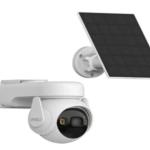
Many users now search for wireless cctv camera solutions because they offer flexibility, easy installation, and reduced wiring requirements. These systems integrate well with smart home environments and support remote monitoring features.
For businesses, AI surveillance provides multiple advantages. Retail stores use intelligent monitoring to reduce theft and track customer movement patterns. Warehouses and industrial facilities use AI systems to monitor employee safety and prevent unauthorized access.
Predictive Security: The Next Step in Surveillance
One of the most exciting developments in AI surveillance is predictive security. Traditional systems react after an incident occurs, while AI aims to identify potential risks before they happen.
Predictive systems analyze historical data and identify patterns that indicate possible threats. For example, unusual movement around restricted zones or repeated suspicious behavior may trigger warnings before an actual security breach occurs.
This proactive approach helps organizations prevent incidents rather than simply recording them.
Integration with Smart Access Control Systems
The future of surveillance is not limited to cameras alone. AI systems are increasingly integrated with broader security ecosystems.
Access control technologies such as smart locks, biometric systems, and communication devices are becoming part of unified security networks.
Many modern buildings combine surveillance systems with door phone intercom system technology. These solutions improve visitor verification processes and allow property owners to communicate with visitors before granting access.
Similarly, biometric technologies are becoming more popular for residential and commercial security. Users frequently evaluate fingerprint door lock price in pakistan when considering advanced access control options that provide both security and convenience.
When multiple technologies work together, organizations gain better visibility and stronger protection.
Cloud-Based AI Surveillance
Cloud technology is playing an important role in the future of CCTV systems. Traditional systems often required large storage devices and complicated infrastructure.
Cloud-based surveillance provides several benefits:
Remote access to recorded footage
Secure backup storage
Reduced hardware requirements
Automatic software updates
Improved scalability
Organizations can monitor multiple locations from centralized platforms while minimizing maintenance costs.
AI combined with cloud technology creates highly flexible security systems capable of adapting to changing needs.
Privacy and Ethical Concerns
While AI surveillance offers many advantages, it also raises important privacy and ethical considerations.
Facial recognition and advanced monitoring technologies create concerns regarding personal privacy and data protection. Questions about how data is collected, stored, and used continue to influence discussions surrounding surveillance technologies.
Governments and regulatory bodies worldwide are developing guidelines to ensure responsible use of AI-powered monitoring systems.
Businesses implementing AI surveillance should prioritize transparency and comply with privacy regulations to maintain trust with customers and employees.
Future Trends in AI Surveillance
The future of CCTV surveillance will likely include several emerging innovations.
Advanced Behavioral Analysis
Future AI systems may become more capable of understanding human behavior and identifying subtle indicators of suspicious activities.
Edge AI Technology
Edge computing allows AI processing to occur directly on surveillance devices rather than relying entirely on cloud servers. This approach improves speed and reduces latency.
Autonomous Security Systems
Future surveillance systems may automatically respond to incidents without human intervention. Cameras could communicate with alarms, locks, and security devices to create immediate protective actions.
Greater Integration with Smart Cities
Many urban development projects are adopting smart city technologies. AI-powered surveillance can improve traffic management, public safety, and emergency response systems.
These advancements may significantly transform how cities operate and maintain security.
Understanding Market Demand for Security Technology
The growing demand for smart surveillance solutions has increased interest in security products and technologies worldwide. Buyers often compare features, reliability, and installation requirements before making decisions.
Consumers also regularly search for cctv camera price in pakistan to understand available options and identify solutions that match their budgets and security requirements.
As technology becomes more accessible, AI-powered surveillance is expected to become a standard feature in both residential and commercial environments.