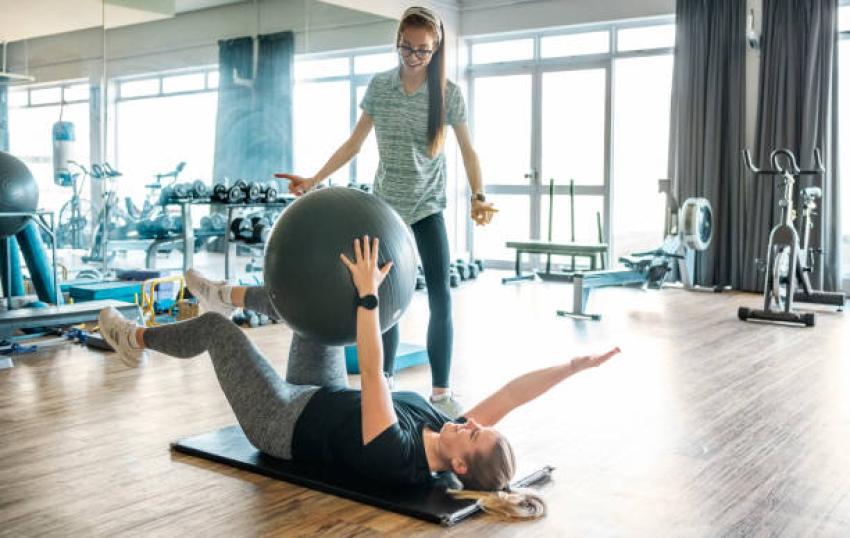
A lot of women hit the same wall. They've tried YouTube workouts, group fitness classes, maybe a gym membership they used twice in January. Nothing sticks, or the results just don't match the effort. So the question comes up: would working with a personal trainer actually change things, or is it just an expensive version of something you could figure out on your own? That's a fair thing to wonder. If you're somewhere in the Sacramento area and weighing your options, Sacramento Women's Personal Training Services can give you a concrete sense of what this kind of coaching actually looks like in practice. This article gives you the honest version: what you're really paying for, what works, what doesn't, and who it's genuinely a good fit for.
What You're Actually Paying For
Most people assume personal training is just someone counting your reps and telling you to push harder. That's a pretty small part of it. What you're really buying is a program designed around your specific body, your history, your goals, and your schedule. Not a template. Not the same plan they hand to everyone who walks in.
A good trainer also handles the thinking for you. That sounds minor, but it's not. Knowing what to do, in what order, at what intensity, and how to adjust when something hurts or life gets busy, that's the part most people get wrong on their own. For women specifically, there's also programming that accounts for hormonal shifts across the menstrual cycle, recovery needs that differ from male clients, and goals that often don't look like "get as big as possible." Those things require a trainer who actually knows what they're doing with female clients.
The Real Cost Breakdown
Let's be straight about money. Personal training isn't cheap. Sessions typically run anywhere from $60 to $120 per hour depending on the trainer's experience, location, and whether you're doing one-on-one or semi-private sessions. In Sacramento specifically, expect to pay somewhere in that range for quality coaching.
Compare that to a standard gym membership, which might cost $30 to $60 a month, or a group fitness studio running $100 to $200 a month for unlimited classes. On paper, personal training looks much more expensive. But the comparison isn't really apples to apples. A gym membership gives you access to equipment. A group class gives you a workout. Personal training gives you a plan, adjustments, accountability, and someone who actually notices if your form is going to hurt you in six months. Worth it? That depends entirely on what you need.
Most trainers sell packages rather than single sessions, usually 8 to 12 sessions at a time. Some offer monthly retainers. It's worth asking about cancellation policies and makeup sessions before you commit to anything.
Benefits That Are Specific to Women
Accountability is the big one. Not in a cheerleader way. More like: you paid for this, someone's expecting you, and skipping feels like a real cost rather than just a vague intention you broke. That alone changes how consistently most people show up.
Beyond accountability, there are real physiological reasons why women benefit from programming that's built for them. Research on hormonal influences on exercise performance suggests that training intensity and recovery needs shift across different phases of the menstrual cycle. A trainer who understands that can program accordingly, which tends to mean fewer plateaus and less burnout. Most generic plans don't account for any of this.
Goal alignment matters too. Plenty of women come in wanting to build strength without bulk, manage weight around perimenopause, recover after pregnancy, or just feel less exhausted day to day. These aren't one-size goals. A Women Personal Trainer in Sacramento CA who works primarily with female clients is going to have a much better read on what actually moves the needle for those specific outcomes than a generalist would.
The Downsides (And They're Real)
The cost is the obvious one. If your budget is tight, spending $300 to $500 a month on training sessions is a real sacrifice, and it needs to be worth it to you. Not everyone can swing that, and that's just honest.
Scheduling dependency is another thing nobody really warns you about. You're working around two calendars now, yours and your trainer's. If your trainer gets sick, goes on vacation, or moves to a new gym, your whole routine can get disrupted. It's not a dealbreaker, but it's something to think about going in.
And here's the part people don't love hearing: the sessions are maybe three hours of your week. The other 165 hours still matter. Sleep, food, stress, what you do on the days you're not training, all of that still falls on you. A trainer can give you the best program in the world, and you can still not see results if everything outside the gym is a mess. Personal training speeds things up. It doesn't do the work for you.
If you're based in Sacramento and looking for a local option, Samera Fit is one service that focuses specifically on women's fitness, which is worth knowing about if the general approach described here sounds like what you're after.
Who Gets the Most Value (And Who Might Not)
Personal training tends to work best for women who are new to structured exercise and feel lost without guidance, who have a specific goal with a timeline attached to it, who've tried going it alone and keep hitting the same wall, or who have health considerations like injury history, hormonal issues, or postpartum recovery that require a more careful approach. That's a pretty wide group, honestly.
It's probably not the right fit if you're already consistent, knowledgeable, and just need access to equipment. A gym membership handles that fine. It's also not ideal if you're looking for the social energy of a group class. That's a different thing, and group fitness genuinely delivers something personal training doesn't.
Ask yourself a few honest questions before deciding. Do you actually know what to do when you get to the gym, or do you wander? Have you been consistent with fitness on your own for more than three months? Do you have a goal that's specific enough that you'd know if you hit it? And can you afford it without it causing financial stress? Your answers will tell you more than any sales pitch will.
The second time you search for a Women Personal Trainer in Sacramento CA, you'll find plenty of options. The trick is knowing what to look for: someone with real experience training women, a clear method, and the willingness to explain their approach before you pay anything. Sacramento Women's Personal Training Services vary a lot in quality, so it pays to ask questions and maybe do a trial session before committing to a full package.
Frequently Asked Questions
How many sessions per week do most women do with a personal trainer?
Two sessions a week is the most common starting point. It gives you enough structure to build momentum without requiring you to rearrange your whole life. Some women do three, especially early on when they're learning form and building habits. One session a week can work as a supplement if you're also training on your own.
Can personal training help with weight loss specifically?
It can, but not by itself. A trainer helps you build a program that supports fat loss and preserves muscle, which matters a lot for how your body looks and feels as weight changes. But nutrition is usually the bigger lever for actual weight loss, and not all trainers are qualified to give detailed nutrition advice. Worth asking upfront what their approach is.
What's the difference between a women's personal trainer and a general trainer?
Mostly it comes down to experience and focus. A trainer who works primarily with women tends to have a better understanding of female physiology, common goals among female clients, and how things like the menstrual cycle or perimenopause affect training. That said, credentials and experience matter more than marketing language, so always ask about their background.
Is online personal training a good alternative to in-person?
For some people, yes. Online training is usually cheaper and more flexible. You get a program and check-ins, but you don't get real-time form correction, which is a real tradeoff. If you're new to lifting or have injury history, in-person is probably the safer starting point. If you're more experienced and just need structure and accountability, online can work well.
How long before you start seeing results from personal training?
Most women notice changes in energy and strength within the first four to six weeks, even if the scale doesn't move much. Visible physical changes usually take longer, often eight to twelve weeks of consistent work. Results depend heavily on what's happening outside the gym too, so anyone promising fast dramatic results is probably overselling it.