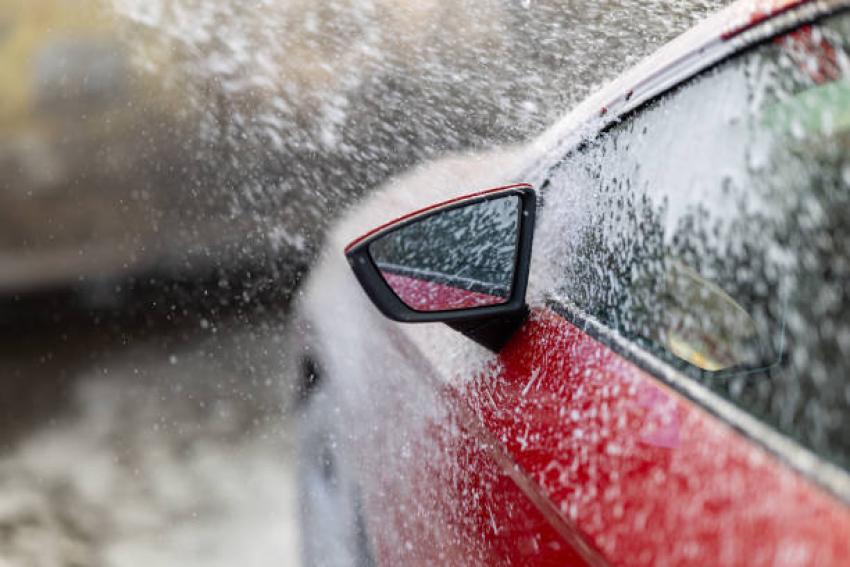
Most car owners have stood at that crossroads. Do you run it through the tunnel real quick, or do you break out the buckets and do it right? It's not always obvious which choice is smarter, and picking wrong can mean swirl marks you didn't ask for or money spent on a wash that barely touched the door jambs. If you're trying to figure out the right call for your car, this breakdown covers everything you actually need to know. For anyone looking for a Car Wash in Clovis CA that treats your paint with some respect, the method matters a lot more than most people realize.
How Automatic Tunnel Washes Actually Work
Pull into a tunnel wash and you're moving through a gauntlet of spinning brushes, cloth rollers, high-pressure jets, and foam applicators. The whole thing takes maybe four minutes. Fast, cheap, convenient. But here's what's happening to your paint during those four minutes: those brushes and rollers have already touched hundreds of other cars that day, picking up grit, sand, and debris along the way. That grit gets dragged across your clear coat at speed. Over time, that's where swirl marks come from.
Not every automatic wash is equally rough. Touchless systems use only high-pressure water and chemical cleaners, so there's no physical contact. That's gentler on paint but often less thorough on actual dirt. Soft-cloth systems are better than old-school bristle brushes, but they still accumulate contaminants between cars. The different types of automatic car wash systems each come with their own tradeoffs, and knowing which kind you're pulling into makes a difference.
Water spots are another issue. Many tunnel washes use tap water in their rinse cycle, and if your car sits in the sun right after, mineral deposits can etch into the clear coat. Not the end of the world after one visit. But after fifty? You'll notice it.
What a Proper Hand Wash Actually Involves
A real hand wash isn't just a guy with a sponge and a hose. Done right, it's a process. First, a pre-rinse to knock loose dirt off before anything touches the surface. Then a pH-neutral car shampoo, because dish soap strips wax and protective coatings faster than you'd think. The two-bucket method keeps one bucket clean with fresh soapy water and one as a rinse bucket for the wash mitt, so you're not dragging dirty water back across the paint. Microfiber mitts are used instead of sponges because they trap particles in the fibers rather than grinding them into the surface.
After the wash, a proper hand detail usually includes a clay bar treatment to pull bonded contaminants off the surface, followed by a wax or sealant layer for protection. That's a totally different level of care than a tunnel run. Takes longer. Costs more. But the results are visible, especially on darker paint colors where swirl marks show up under sunlight like a road map.
Side-by-Side: The Honest Comparison
Here's how the two methods stack up across the things that actually matter to most car owners:
Paint safety: Hand wash wins. Less physical contact, controlled technique, cleaner tools. Automatic washes, especially brush-based ones, carry real risk of micro-scratches over repeated use.
Cleaning thoroughness: Hand wash wins again. Wheel wells, door jambs, lower body panels, and tight corners get actual attention. Tunnel machines miss plenty.
Time: Automatic wash wins easily. Four to six minutes versus an hour or more for a full hand wash and detail.
Cost per visit: Automatic wash wins. Most run between eight and twenty dollars. A quality hand wash or mobile detail costs more, though the paint protection you get back is worth factoring in.
Convenience: Automatic wash wins. No appointment, no planning, drive in and drive out.
So it's not a clean sweep either way. The best option depends on what you're trying to protect and how often you're washing.
Which Cars Benefit Most From Hand Washing
Dark-colored vehicles, especially black, navy, and dark gray, show swirl marks and micro-scratches far more than lighter colors. If you drive a black car and you're running it through a brush tunnel every week, you're probably already seeing the damage in direct sunlight. Single-stage paint, which you'll find on older vehicles that haven't been repainted with a clear coat layer, is also much more vulnerable to abrasion from automatic systems.
New cars fresh off the lot deserve some extra care too. Factory paint is sometimes thinner than people expect, and the first few months set the tone for how the paint holds up long-term. Vehicles with vinyl wraps or matte finishes should never go through a tunnel wash. Full stop. The pressure and chemistry in those systems can lift edges, dull the finish, or cause peeling in ways that aren't cheap to fix.
If you've got a daily driver in decent shape and you just need to knock off a week's worth of dust, an occasional touchless wash probably won't wreck your paint. But if you care about the long-term condition of the clear coat, hand washing is the smarter habit to build. For Clovis residents who want that level of care without the weekend driveway project, the Best Car Wash in Clovis CA option is usually a mobile detail service that comes to you.
Warning Signs Your Current Method Is Causing Damage
Swirl marks are the most common sign. Look at your hood or roof in direct sunlight at an angle. If you see a web of fine circular scratches, that's almost always wash-related. They don't come from driving. They come from brushes, dirty mitts, or wiping a dry car with a regular towel.
Water spot etching shows up as cloudy rings or white spots that don't come off with a normal wash. That's mineral deposits that have bonded to or slightly into the clear coat. A light polish can remove early-stage etching, but if it's been sitting a while, you might need a paint correction. That's a few hundred dollars a panel, so catching it early matters.
If your paint feels rough or gritty even after washing, that's bonded contamination, things like iron fallout from brake dust or tree sap residue that a regular wash won't touch. A clay bar treatment fixes that. J3 Mobile Detail handles this kind of work regularly and can assess whether your paint just needs a decontamination wash or something more involved like a polish or protective coating.
The fix for all of these issues starts with switching to a gentler wash method and being more consistent about it. Doing a proper hand wash once a month is better for your paint than running through a tunnel wash every week. Frequency doesn't compensate for technique.
When the Automatic Wash Is Fine
Honestly, there are times when a quick tunnel wash makes total sense. Road trip and your car's caked in bugs and highway grime? A touchless wash to get the bulk off before you do a proper clean is a reasonable call. Same goes for winter driving in areas that use road salt. Getting that salt off fast matters more than perfect technique. The Best Car Wash in Clovis CA for your situation might just be whatever gets the job done before the salt eats through to the metal.
Use automatic washes as a stopgap, not a long-term paint care strategy. And if you do use them, pick touchless over brush systems whenever you can.
Frequently Asked Questions
Do automatic car washes actually scratch paint?
Brush-based tunnel washes can and do cause micro-scratches over time, especially if the brushes aren't cleaned regularly between cars. Touchless washes are gentler but not completely risk-free since the high-pressure water and strong chemicals can stress older or compromised clear coats.
How often should I hand wash my car?
Every two to four weeks is a solid rhythm for most climates. If you park under trees, drive in heavy traffic, or live somewhere with lots of dust or pollen, washing every one to two weeks makes more sense. Don't let dirt sit too long since some contaminants start bonding to the paint quickly.
Is a touchless car wash safe for new paint?
Generally yes, though the chemical cleaners used in touchless systems can be fairly aggressive. If your car has a fresh wax or sealant on it, a touchless wash will strip that protection faster than a hand wash with pH-neutral soap would.
What's the two-bucket method and why does it matter?
It's pretty simple. One bucket holds your clean, soapy wash water. The other holds plain rinse water. After each pass with the wash mitt, you rinse it in the second bucket before dipping it back into the soap. This keeps you from dragging dirt and grit back across the paint, which is where most wash-related scratches actually come from.
Can I fix swirl marks already on my car?
Yes, in most cases. Light swirl marks respond well to a machine polish with a finishing compound. Deeper scratches might need a more aggressive cut followed by polish and then a protective layer. A professional paint correction service can assess the severity and give you realistic options without overselling the job.
The bottom line is pretty simple. If you care about your paint, hand washing wins on almost every measure except speed and price. If you just need a quick clean and your car's paint is in good shape, an occasional touchless wash won't hurt. Know what you're choosing and choose it on purpose.