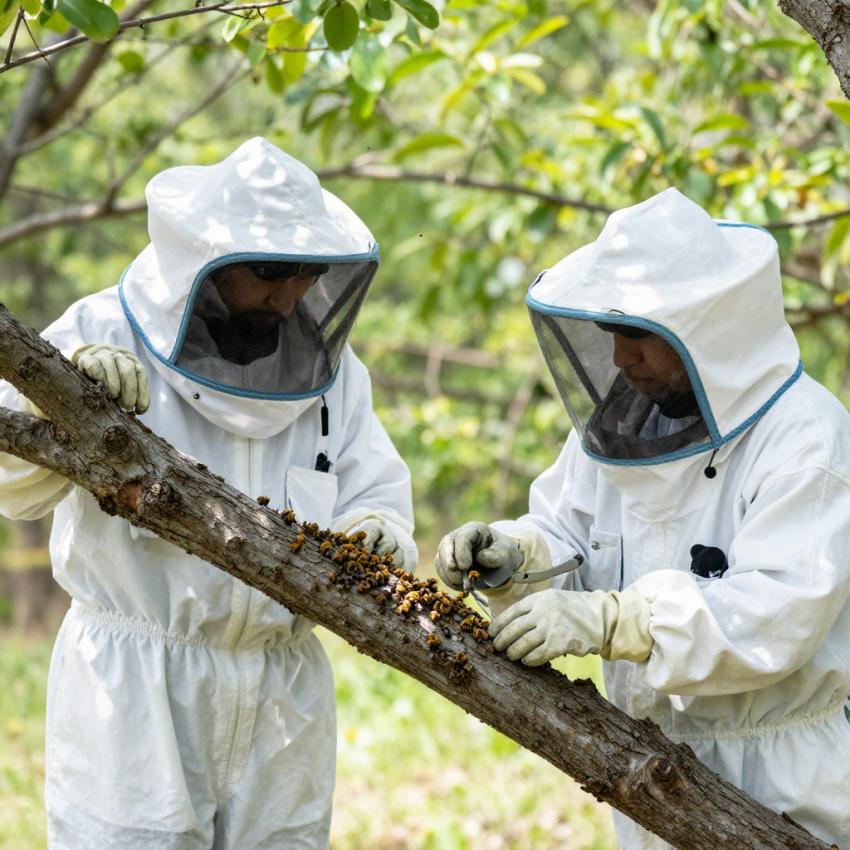
Bees are helpful insects. They help flowers, trees, and plants grow. But when a large bee colony moves close to your home, it can become a problem. A large hive may have thousands of bees. It can be inside a wall, roof, attic, or tree. When this happens, it is best to call bee removal experts in Katy TX.
They know how to remove bees safely and protect your property. In this guide, you will learn how professionals handle large bee colonies.
What Is a Large Bee Colony?
A bee colony starts small. Over time, more bees join the hive. Soon, the colony can grow very large. Large bee colonies may have:
Thousands of bees
A queen bee
Honeycomb
Honey stores
Many worker bees
These colonies live in places that are hard to reach.
Why Large Bee Colonies Are a Problem?
A big bee colony can cause several issues.
More Bee Activity
You may see bees flying around your home all day.
More Stings
Bees protect their hive. If they feel danger, they may sting.
Damage to Your Home
Bees build honeycomb inside walls and roofs. Honey and wax can damage building materials.
More Pests
Old honey can attract ants, roaches, and other insects. That is why many homeowners search for experts as soon as they notice a hive.
Step 1: Inspecting the Hive
The first thing bee removal specialists do is inspect the area.
They look for:
Where the bees are living
How large the colony is
How the bees enter the property
The safest way to remove them
This helps them make a good removal plan.
Step 2: Wearing Safety Gear
Large colonies can have thousands of bees.
Professionals wear:
Bee suits
Gloves
Face protection
Safety boots
This gear protects them while they work near the hive.
Step 3: Reaching the Colony
Some hives are easy to see. Others are hidden.
Large colonies are found in:
Walls
Attics
Roofs
Garages
Trees
Sheds
Experts use special tools to reach the hive safely.
Step 4: Removing the Bees
Many bee removal experts remove bees alive when possible.
They collect:
Worker bees
The queen bee
Parts of the hive
The bees can then be moved to a safer place. This protects honey bees, which are important pollinators.
Step 5: Removing the Honeycomb
Taking away the bees is not enough. Professionals also remove:
Honeycomb
Wax
Honey
Nest materials
If these items stay behind, new bees may return later. Complete bee hive removal is very important.
Step 6: Cleaning the Area
After the hive is removed, the area is cleaned. Cleaning helps remove:
Honey
Wax
Bee scents
Sticky residue
This stops other bees from moving into the same spot.
Step 7: Sealing Entry Points
Experts look for holes and cracks around the property. They seal:
Small gaps
Wall openings
Roof cracks
Vent openings
This keeps future bee colonies away.
Signs You Need Professional Bee Removal
Call bee removal experts in Katy TX if you notice:
Lots of bees around your home
Bees entering the same hole
Buzzing sounds in walls
Honey stains
A visible hive
Growing bee activity
The sooner you act, the easier the problem may be to fix.
Why Hire Bee Removal Experts?
Professionals offer many benefits.
Better Safety
Experts know how to work around large colonies.
Complete Removal
They remove the bees and the hive.
Home Protection
They prevent damage to your property.
Long-Term Prevention
They seal entry points to stop future problems.
Bee Protection
Many professionals use live bee removal methods when possible.
Final Thoughts
A large bee colony should never be ignored. Thousands of bees can create safety risks and property damage. Bee removal experts in Katy TX have the training and tools needed to handle large hives safely.
If you see signs of a bee colony, do not try to remove it yourself. Professional bee removal can protect your family, your home, and the bees at the same time.