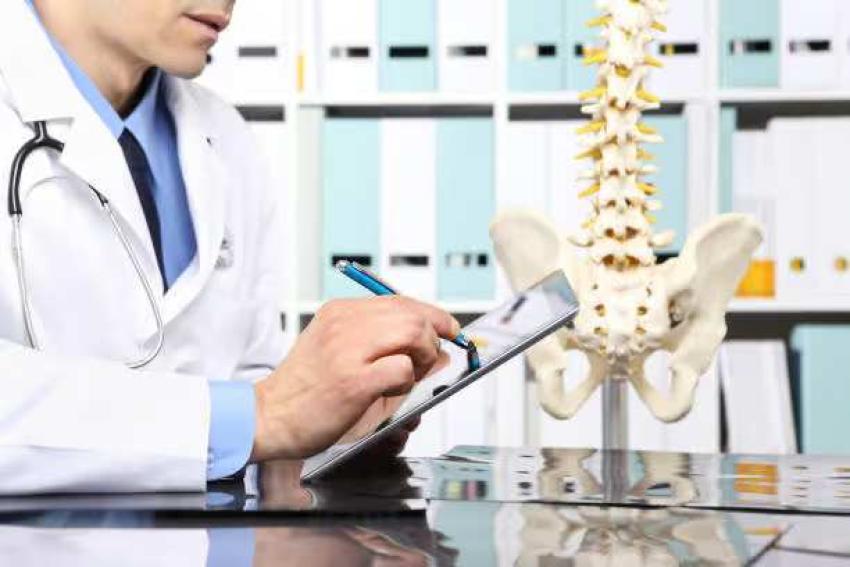
Many people seek the help of a dubai orthopedic surgeon when they experience ongoing pain, fractures, sports injuries, or joint-related problems. Orthopedic care focuses on diagnosing, treating, and preventing conditions affecting bones, joints, ligaments, tendons, muscles, and the spine.
This article explains the role of an orthopedic surgeon, common orthopedic conditions, available treatment options, and when to seek professional care.
Understanding Orthopedic Care
Orthopedics is a medical specialty that focuses on the musculoskeletal system. This system includes:
- Bones
- Joints
- Muscles
- Tendons
- Ligaments
- Cartilage
- Spine
Orthopedic specialists help patients recover from injuries, manage chronic conditions, and improve movement and function.
Their goal is not only to treat pain but also to restore mobility and improve quality of life.
What Does an Orthopedic Surgeon Do?
An orthopedic surgeon evaluates and treats a wide variety of conditions affecting the body's movement system.
Their responsibilities may include:
- Diagnosing orthopedic conditions
- Treating fractures and injuries
- Managing joint disorders
- Performing surgical procedures when necessary
- Recommending rehabilitation programs
- Supporting recovery after injuries
- Helping patients prevent future orthopedic problems
Many orthopedic conditions can be treated without surgery through medication, physical therapy, and lifestyle modifications.
Common Bone Conditions Treated by Orthopedic Specialists
Bones provide support and structure to the body. When they become injured or weakened, professional treatment may be needed.
Fractures
A fracture is a broken bone caused by:
- Falls
- Sports injuries
- Road accidents
- Direct trauma
Fractures can range from simple cracks to complex breaks requiring surgical treatment.
Osteoporosis
Osteoporosis causes bones to become weak and fragile. It increases the risk of fractures, especially in older adults.
Common fracture sites include:
- Hip
- Wrist
- Spine
Early diagnosis and treatment can help reduce complications.
Bone Deformities
Some people develop bone deformities due to congenital conditions, injuries, or diseases. These issues may affect movement, posture, and daily activities.
Orthopedic specialists evaluate these conditions and recommend appropriate treatment plans.
Common Joint Problems
Joints allow smooth movement between bones. When joints become damaged or inflamed, pain and stiffness may occur.
Osteoarthritis
Osteoarthritis is one of the most common joint conditions. It occurs when cartilage gradually wears down over time.
Symptoms may include:
- Joint pain
- Swelling
- Reduced flexibility
- Stiffness after rest
Commonly affected joints include:
- Knees
- Hips
- Shoulders
- Hands
Rheumatoid Arthritis
Rheumatoid arthritis is an autoimmune condition that causes inflammation in the joints.
Patients may experience:
- Joint swelling
- Pain
- Fatigue
- Morning stiffness
Early treatment can help manage symptoms and protect joint function.
Joint Instability
Joint instability occurs when ligaments become damaged or weakened.
Common examples include:
- Shoulder instability
- Knee instability
- Ankle instability
Treatment may involve rehabilitation exercises or surgical correction in severe cases.
Sports Injuries and Orthopedic Care
Sports injuries affect athletes and active individuals of all ages. Prompt treatment helps reduce recovery time and prevents long-term complications.
Ligament Injuries
Ligaments connect bones and provide joint stability.
Common ligament injuries include:
- ACL tears
- MCL injuries
- Ankle ligament sprains
These injuries often occur during sudden twisting movements or high-impact sports.
Tendon Injuries
Tendons connect muscles to bones.
Common tendon conditions include:
- Achilles tendon injuries
- Rotator cuff tears
- Tennis elbow
- Golfer's elbow
Treatment may involve rest, physical therapy, injections, or surgery.
Meniscus Injuries
The meniscus is a cartilage structure within the knee joint.
Meniscus tears can occur due to:
- Sports activities
- Sudden twisting motions
- Age-related degeneration
Symptoms often include pain, swelling, and difficulty moving the knee.
Spine Conditions Managed by Orthopedic Specialists
The spine provides support and protects the spinal cord. Various conditions can affect spinal health.
Herniated Disc
A herniated disc occurs when the soft material inside a spinal disc pushes outward.
Symptoms may include:
- Neck pain
- Back pain
- Arm pain
- Leg pain
- Numbness
Degenerative Disc Disease
As people age, spinal discs may gradually wear down.
This condition can cause:
- Chronic back pain
- Reduced flexibility
- Difficulty with daily activities
Scoliosis
Scoliosis refers to an abnormal curvature of the spine.
Treatment depends on:
- Age
- Severity
- Symptoms
Some patients may benefit from observation, bracing, or surgery.
Signs You Should Visit an Orthopedic Specialist
Many people ignore orthopedic symptoms until they become severe. Seeking early medical attention can improve outcomes.
You should consider an orthopedic evaluation if you experience:
- Persistent joint pain
- Difficulty walking
- Limited movement
- Chronic back pain
- Frequent sports injuries
- Joint swelling
- Bone fractures
- Muscle weakness
- Shoulder pain
- Knee pain
Early diagnosis often leads to more effective treatment.
Diagnostic Methods Used in Orthopedic Care
Accurate diagnosis is essential for creating an effective treatment plan.
Orthopedic specialists may use several diagnostic tools.
Physical Examination
The doctor evaluates:
- Joint movement
- Muscle strength
- Flexibility
- Balance
- Pain levels
X-Rays
X-rays help identify:
- Fractures
- Bone deformities
- Arthritis-related changes
MRI Scans
MRI scans provide detailed images of:
- Ligaments
- Tendons
- Cartilage
- Muscles
CT Scans
CT imaging helps evaluate complex bone injuries and joint conditions.
Ultrasound
Ultrasound can assist in diagnosing soft tissue injuries and inflammation.
Non-Surgical Orthopedic Treatments
Not all orthopedic conditions require surgery. Many patients improve through conservative treatment approaches.
Physical Therapy
Physical therapy helps:
- Improve strength
- Increase flexibility
- Reduce pain
- Restore movement
Therapists create personalized rehabilitation programs based on each patient's needs.
Medication
Doctors may prescribe medications to manage:
- Pain
- Inflammation
- Muscle spasms
Medication is often combined with other treatments for better results.
Lifestyle Modifications
Simple lifestyle changes can improve orthopedic health.
Examples include:
- Weight management
- Regular exercise
- Proper posture
- Healthy nutrition
Braces and Supports
Braces can provide stability and reduce stress on injured joints.
Commonly used supports include:
- Knee braces
- Wrist braces
- Ankle supports
- Back supports
Injection Therapy
In some cases, injections may help reduce inflammation and relieve pain.
These treatments can support recovery and improve mobility.
Surgical Orthopedic Treatments
Surgery may be recommended when conservative treatments fail to provide relief.
Arthroscopic Surgery
Arthroscopy is a minimally invasive procedure performed using small incisions and a camera.
It is commonly used for:
- Knee injuries
- Shoulder injuries
- Cartilage damage
- Meniscus tears
Fracture Surgery
Complex fractures sometimes require surgical stabilization using:
- Plates
- Screws
- Rods
This helps ensure proper healing and alignment.
Joint Replacement Surgery
Severely damaged joints may require replacement.
Common joint replacements include:
- Knee replacement
- Hip replacement
- Shoulder replacement
These procedures can significantly improve mobility and reduce pain.
Spine Surgery
Some spinal conditions may require surgery to relieve pressure on nerves and improve stability.
The specific procedure depends on the patient's condition and symptoms.
Rehabilitation After Orthopedic Treatment
Recovery is an important part of orthopedic care.
A successful rehabilitation program may include:
- Physical therapy
- Strength exercises
- Stretching routines
- Balance training
- Activity modifications
Patients who follow rehabilitation instructions often experience better outcomes and faster recovery.
Preventing Bone and Joint Problems
Although not all orthopedic conditions can be prevented, certain habits may help reduce risks.
Stay Active
Regular exercise helps maintain:
- Bone strength
- Joint flexibility
- Muscle support
Maintain a Healthy Weight
Excess body weight places additional stress on joints, particularly the knees and hips.
Eat a Balanced Diet
Nutrients such as calcium and vitamin D support bone health.
Healthy foods include:
- Dairy products
- Fish
- Leafy green vegetables
- Nuts and seeds
Use Proper Sports Techniques
Athletes should:
- Warm up before activity
- Use proper equipment
- Follow safe training practices
Avoid Smoking
Smoking may negatively affect bone healing and overall musculoskeletal health.
Benefits of Early Orthopedic Treatment
Early treatment offers several advantages.
These include:
- Faster recovery
- Reduced pain
- Better mobility
- Lower risk of complications
- Improved quality of life
Ignoring symptoms may allow conditions to worsen over time, making treatment more challenging.
Choosing the Right Orthopedic Care
When seeking orthopedic treatment, patients should consider:
- Experience and expertise
- Comprehensive diagnostic services
- Personalized treatment plans
- Modern treatment techniques
- Rehabilitation support
A patient-centered approach helps ensure effective care and long-term results.
Conclusion
Bone, joint, and injury problems can affect people of all ages and significantly impact daily life. Seeking help from a qualified orthopedic specialist can lead to accurate diagnosis, effective treatment, and improved mobility. Whether dealing with sports injuries, arthritis, fractures, or chronic joint pain, timely orthopedic care can support recovery and help patients return to normal activities.
For patients seeking expert orthopedic care, Dr Marouane Bouloudhnine provides professional evaluation and treatment for a wide range of musculoskeletal conditions, helping individuals achieve better movement, comfort, and long-term joint health.