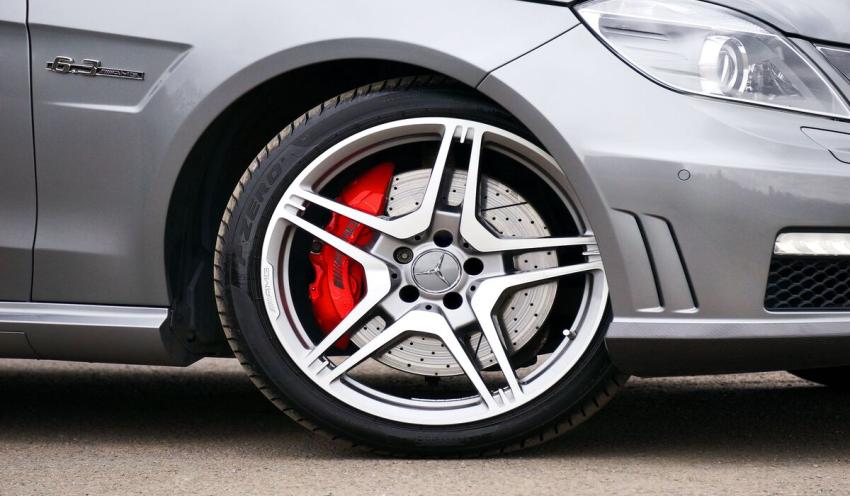
Let’s face it. Nobody wakes up thrilled about dropping cash on new rubber.
But your tyres are the only things keeping your two-tonne machine glued to the tarmac. They cop an absolute beating out there. Driving in Australia means throwing everything from scorching summer freeways to corrugated outback dirt at your vehicle. Finding the right fit can be a massive headache, whether you’re dropping into a local tyre shop in Pakenham or endlessly scrolling through online catalogues on your phone.
This guide cuts the waffle. We're going to break down exactly what you need for your ride, your wallet, and your typical weekend drives.
Is It Actually Time for New Tyres?
Hold your horses before buying anything. Do you really need them?
The Australian legislation requires that tyres must not be less than 1. 5 mm thick on the surface. The use of fancy equipment is unnecessary. Simply the presence of rubber bars located inside the grooves will help you estimate when to replace the tyre. When they appear on a plane level with the tread, then your tyre needs to be replaced. The car won't be roadworthy according to the law.
However, pay attention to the sidewalls. If you see cuts, missing pieces of rubber or weird blisters, it means that you ran into a pothole. Such tyres have a high probability of sudden bursting. Have you noticed any fine cracks? The name of the phenomenon is crazing, and the reason for it is exposure to sun and sea salt.
Cracking the Code: Sizes, Loads, and Speeds
Guessing your tyre size is a terrible idea.
Open your glove box, pop the bonnet, or look inside the driver’s door pillar. You'll find the tyre placard. That sticker is your holy grail, listing the exact tyre sizes, load capacities, and speed ratings the factory recommends.
Never, ever downgrade the load or speed rating. Slapping on replacement tyres makes your car legally unroadworthy. If things go pear-shaped and you have a prang, your insurance company might just walk away.
Picking Your Tread
How do you use your car?
Most days filled with school runs, city traffic, or highway stretches? These tyres suit that life well. Quiet rides come standard. Fuel use tends to drop. Stopping power holds up when roads are wet. Comfort meets practicality without extra noise. Smooth performance matters most on long drives. They handle daily demands without fuss. Driving feels easier, especially in rain.
Even so, driving a pickup or rugged four-wheel vehicle while enjoying weekend camping on rough paths makes AT tyres the right match. These tyres often have strong sidewalls along with treads built for loose dirt and muddy ground. Yet keep in mind - slapping them onto a regular urban SUV just to look tough brings trouble. Fuel use climbs fast. Inside the car, road hum fills the space louder than expected.
Price Tag: Budget, Mid-Range, or Premium?
How deep are your pockets?
A basic sedan tyre might cost between 109 and 180 dollars each. These models work well enough for regular city driving. Because the rubber is stiffer, sound from the road comes through clearer. Wet conditions also mean brakes take just a bit more space to slow things down.
Most people find middle-tier tyres just right. Priced from $180 to $280 each, these options blend solid traction, long life, and smooth rides - without emptying your wallet. While premium models boast flashy features, these deliver where it matters: everyday performance.
Premium brands are upwards of $280, and can easily go well over $450. What are you buying into? Better, softer rubber compounds, constant testing and new tread designs that stop better and last longer. After you hit the buy button, sound booking practices with your professional tyre services to keep the fitment and balancing, then ensure they roll perfectly from zero miles.
Warranty Fine Print
Yep, tyres come with warranties.
But don't get too excited. Standard manufacturer warranties cover actual factory blunders, like faulty rubber or tread that randomly peels off. They absolutely do not cover road hazards. Drive over a nail or smash a curb? That's on you.
For your warranty to remain valid, stick closely to every guideline they provide. Tyres need proper fitting and correct inflation matching the given specs. Wheel alignment must be accurate. Rotate them every 5,000 to 10,000 kilometres without fail.
Maintenance and Mistakes
One big mistake people around make is grabbing the cheapest tyres out there and then neglecting them afterwards. At minimum, make sure you check your tyre air pressure once a month when the tyres are cold. It's a walk in the park at the gas station - just two minutes. How come?
Because regular tyre maintenance saves you money down the road to spend on other stuff instead of just burning it on fuel! Properly inflated tyres don't wear out prematurely on the edges, and they offer less rolling resistance. That means less fuel consumption on every single drive.
Conclusion:
There is no magical "perfect" tyre out there.
It all comes down to what you drive, where your weekend takes you, and what your bank account looks like. Read your placard. Be realistic about your daily driving habits. And don't be afraid to ask an expert for their two cents. Getting it right changes how your car feels on the road, and most importantly, gets you home in one piece.