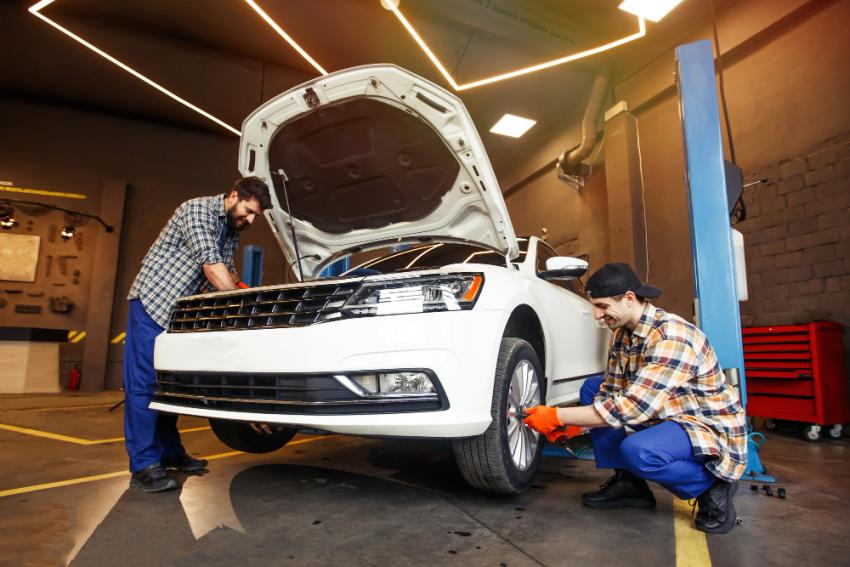
Choosing the right body shop after an accident is one of the highest-stakes consumer decisions most drivers face. You are trusting a shop with your vehicle’s structural safety, its appearance, and often a multi-thousand-dollar insurance claim. Most drivers have never needed a body shop before and have no framework for evaluating one. Here is what actually matters.
Information credit: https://www.invisibletouchinc.com/guides/how-to-choose-auto-body-shop/
You Have the Right to Choose Your Own Shop
In every U.S. state, including Massachusetts, you have the legal right to choose your own body shop for insurance-covered repairs. Your insurer may provide a list of “preferred” or “direct repair” shops, but you are not required to use any of them. The insurer must pay the claim regardless of which licensed shop performs the work. This is federal law under the Magnuson-Moss Warranty Act, and it applies to all auto insurance policies.
What Certifications Actually Mean
I-CAR Gold Class is a facility-level certification that means the shop’s technicians complete ongoing training in current repair techniques, materials, and vehicle technologies. Only about 20% of collision repair shops in the U.S. hold this designation. ASE certification applies to individual technicians and verifies they have passed rigorous testing in their specific repair discipline.
OEM (Original Equipment Manufacturer) certifications mean a specific automaker — BMW, Audi, Mercedes, Ford — has reviewed and approved the shop to perform repairs according to that manufacturer’s standards. This matters most for luxury and European vehicles that use specialized materials and construction methods.
Questions to Ask Before You Authorize Work
Will the shop provide a written estimate before starting work? A reputable shop always documents the full scope of repairs in writing. Will they use OEM or aftermarket parts? OEM parts are made by the vehicle’s manufacturer; aftermarket parts are third-party reproductions. Both can be appropriate depending on the vehicle and the repair, but you should know which you’re getting.
Does the shop handle insurance communication directly? Shops experienced with insurance work will file supplements, communicate with adjusters, and manage the claims process on your behalf. If a shop expects you to be the middleman between them and your insurer, that’s a red flag.
What is the warranty on the repair? Most quality shops offer a lifetime warranty on their workmanship. If a shop won’t warranty its own work, consider why.
Red Flags to Watch For
Pressure to start immediately without a written estimate. Reluctance to let you see the vehicle during the repair process. No clear answer about parts sourcing. A “preferred shop” recommendation that comes with unusual urgency from your insurance company. Significantly lower estimates than other shops in the area — an estimate that’s 30% below everyone else often means corners will be cut or hidden damage will go unrepaired.
What a Good Shop Looks Like
The facility is organized and clean. Technicians can explain what they’re doing in plain language. The shop has been operating in the same location for multiple years — stability is a trust signal. Online reviews mention specific services and outcomes, not just “great service.” The shop works with multiple insurance carriers, not just one preferred network.