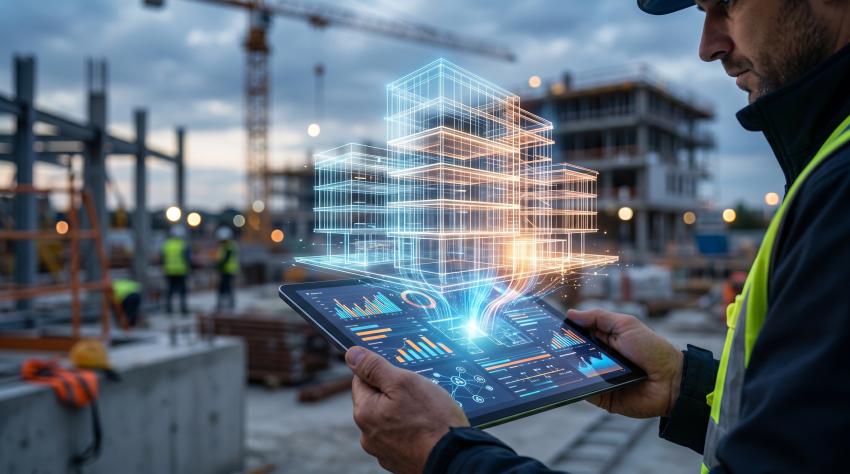
The construction industry is becoming more digital every year. Companies are looking for better ways to manage projects, reduce delays, and improve collaboration across teams. One technology that has changed how construction projects are planned and executed is Building Information Modeling (BIM). When BIM is integrated with construction software, project teams gain better visibility into every stage of development.
Research from Dodge Construction Network shows that more than 70% of construction professionals use BIM in some form. This growing adoption highlights how important digital workflows have become for modern construction projects.
What Is BIM in Construction?
Building Information Modeling is a digital process that creates detailed 3D models of buildings and infrastructure projects. These models contain important information about design, materials, costs, schedules, and maintenance requirements.
Unlike traditional drawings, BIM provides a complete digital representation of a project. Architects, engineers, contractors, and project managers can access the same information throughout the project lifecycle. This creates a single source of truth and reduces communication gaps between teams.
Why Integrate BIM with Construction Software?
BIM alone delivers significant value. However, its true potential is unlocked when connected with construction management platforms and other business systems.
Integration allows project data to flow between different tools without manual updates. Teams can connect design information with scheduling systems, cost estimation tools, procurement platforms, and field management applications.
According to industry studies, companies using integrated BIM workflows can reduce project rework by up to 40%. This leads to better efficiency and lower project costs.
Key Benefits of BIM and Software Integration
Better Project Collaboration
Construction projects involve many stakeholders. Miscommunication often leads to costly mistakes and delays.
When BIM is integrated with construction software, all project participants can access real-time information. Design updates become visible to everyone immediately. This improves coordination and helps teams make faster decisions.
Improved Cost Control
Budget overruns remain one of the biggest challenges in construction.
Integrated BIM systems help teams track material quantities, labor requirements, and project costs with greater accuracy. Managers can identify potential budget issues early and take corrective action before problems grow larger.
Faster Project Delivery
Project delays can impact profitability and client satisfaction.
By combining BIM with scheduling software, construction teams can visualize project timelines and identify scheduling conflicts. This enables better planning and helps keep projects on track.
Many organizations now invest in Construction AI Development Services to further improve scheduling accuracy and automate project monitoring tasks.
Enhanced Risk Management
Construction projects carry significant risks. Design clashes, safety concerns, and resource shortages can affect project outcomes.
Integrated BIM platforms help identify potential issues during the planning phase. Teams can run simulations and detect conflicts before construction begins. This proactive approach reduces risks and improves overall project quality.
The Role of AI in BIM Integration
Artificial intelligence is adding new capabilities to BIM-enabled construction environments.
AI-powered systems can analyze large volumes of project data and generate valuable insights. These tools can predict delays, identify cost risks, and recommend process improvements.
As digital transformation continues across the industry, many firms are adopting Construction AI Development Services to build intelligent solutions that work alongside BIM platforms. These technologies help companies make data-driven decisions and improve operational performance.
Future of BIM and Construction Technology
The future of construction will depend heavily on connected digital ecosystems. BIM will continue to serve as the foundation for project information management while advanced software solutions provide automation and analytics capabilities.
Cloud platforms, digital twins, and AI-driven applications will strengthen the value of BIM integration. Construction companies that embrace these technologies today will be better positioned to manage complex projects and meet growing client expectations.
Conclusion
The integration of BIM with construction software is transforming how projects are planned, managed, and delivered. It improves collaboration, strengthens cost control, reduces project risks, and increases efficiency across the construction lifecycle. As the industry moves toward smarter digital operations, organizations that invest in integrated BIM solutions will gain a significant competitive advantage. Companies like Tech.us are helping businesses build modern construction technology ecosystems that support long-term growth and innovation.