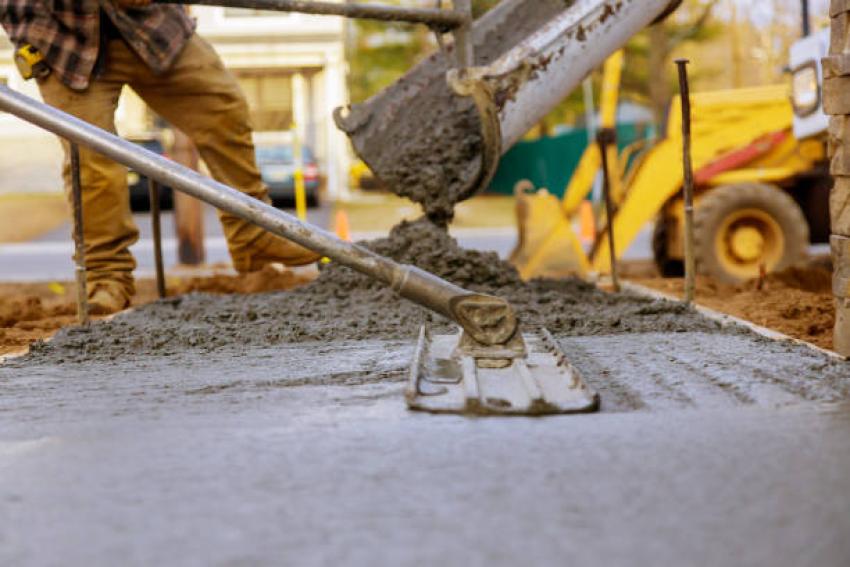
Cracks and uneven concrete can make any place feel less safe. Also, they can trip kids, scratch cars, and hold puddles. Over time, those puddles can soak in and weaken the slab. So, fixing the problem early often saves money and stress later. Many homeowners in Woodland Hills deal with heat, dry soil, and sudden rain. Because of that, slabs can shift and split. Moreover, choosing concrete services in Woodland Hills CA, often handles cracks and uneven surfaces. You’ll learn what causes the damage, what repairs work best, and how to spot trouble early. Most of all, you’ll know what to expect before any work starts.
Why do concrete cracks occur, and choose concrete services in Woodland Hills CA
Concrete feels rock-hard, yet it still moves a little. First, the ground below can swell or shrink with moisture changes. Then, the slab can bend and crack under stress. Also, tree roots can lift edges over time. Heavy vehicles can add pressure, especially near thin sections. However, many cracks start from shrinkage as the concrete dries. That drying pull can create small lines within days. Later, water can enter those lines and widen them. In colder areas, freezing water expands and worsens cracks. Even in warm places, water still weakens the base soil. Because of that, a tiny crack can turn into a bigger gap.
“Is this crack serious?” A simple way to judge risk
Not every crack means a big problem. Still, it helps to know what to watch for. First, look at width, length, and depth. Hairline cracks often come from normal drying. However, wide cracks can hint at movement below. Also, cracks that change height across the line matter more. That step can signal settling or lifting. Next, check if water pools near the crack because standing water can seep in and soften the base. Then, watch for new cracks forming in patterns. For example, concrete services in Woodland Hills CA, can suggest surface stress or poor support. If doors stick nearby, that can also hint at shifting soil. So, quick checks can guide next steps.
Measure the crack width with a coin or ruler.
Note any “lip” where one side sits higher.
Track changes monthly with photos.
Cleaning and prep: the step that decides success
Repairs often fail when prep gets rushed. So, many crews start with careful cleaning. First, they remove loose concrete and gritty dust. Then, they wash out the crack so the patch material bonds well. Also, they dry the area when the repair needs a dry surface. Next, they may cut a neat groove along the crack. This step can help the patch lock in. However, cutting must stay shallow to avoid weakening the slab. For uneven areas, crews also check drainage. Because water flow can cause repeated damage. Then, they mark high spots and low spots. So, concrete services Woodland Hills CA plan fits the surface, not guesswork. Good prep feels slow, yet it saves repeat repairs later.
Crack repair methods: fillers, sealants, and patching
Concrete services use different materials for different cracks. First, flexible sealants can help prevent small moving cracks. They stretch a bit as temperatures change. Also, they block water from getting into the slab. Next, rigid fillers work well for cracks that stay stable. These fillers can restore strength in some spots. However, wide or missing edges often need patching. In that case, crews rebuild the broken area with a repair mix. Then, they shape it to match the surface. For long cracks, some teams also use stitching with metal ties. That approach can reduce future spreading in certain slabs. Because of that, the method depends on movement, size, and location. So, the best fix often starts with a simple crack “map” of the area.
Fixing uneven surfaces with grinding and resurfacing
Uneven concrete can create a dangerous trip edge. So, many teams fix it by grinding high spots. Grinding shaves the raised edge until it meets the lower side. Also, it keeps the slab in place, which can cost less than replacement. However, grinding works best for small height changes. For larger dips, crews may use resurfacing. Resurfacing adds a thin layer on top to smooth the look and feel. Then, they texture it for slip resistance. Because a smooth skim coat can get slick when wet. Also, crews check the base support before resurfacing. If the base keeps sinking, the new layer can crack. So, surface fixes should match what the ground is doing.
Lifting sunken slabs with foam or grout injection
Sunken concrete often comes from soil settling below. So, lifting can restore the level without full removal. Two common methods include grout and foam injection. First, crews drill small holes in the slab. Then, they inject material to fill voids under the concrete. As the void fills, the slab rises slowly. Foam expands quickly and can weigh less than grout. Grout can add more mass and may suit some bases. However, both methods need skilled control to avoid over-lifting. Also, crews must fix the water or drainage issue that caused the void because the slab can sink again if water keeps washing soil away. In some neighborhoods, Woodland Hills expert concrete contractor offers fixes for longer-lasting results.
Preventing repeat damage with smart habits
Repairs last longer when the cause gets handled, too. First, improve drainage so water runs away from the concrete. Also, keep gutters and downspouts aimed away from slabs. Next, seal cracks early to block water entry. Because water often does more damage than people expect. Then, avoid heavy loads near thin edges when possible. If a slab borders soil, keep the soil level slightly below the concrete edge. That plan accepts that concrete can crack, yet controls where it happens. So, prevention keeps small problems from turning into big problems.
“What to expect next” and how to feel confident about the plan
Even after learning the basics, it helps to know the usual order of work. First, a careful check identifies crack types and height changes. Then, the surface gets cleaned and prepped for bonding. Next, the repair method gets matched to movement and soil support.
When the surface feels smooth again, daily life gets easier. Trips drop, puddles shrink, and peace of mind rises. And if a next project ever comes up, The DesignTractor can help keep ideas organized while planning improvements.