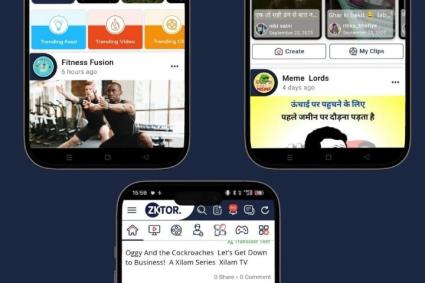
Recent advancements in mobile technology have significantly influenced the rise of fitness apps. With smartphones becoming not just communication devices but also powerful health monitoring tools, fitness applications have seamlessly integrated into everyday life for millions worldwide. These apps offer a wide range of features designed to support users' goals—from tracking daily steps and calories burned to providing nutritional guidance, sleep analysis, stress management techniques, and even virtual coaching sessions.
Features and Capabilities
Fitness applications have evolved beyond basic tracking mechanisms to include a plethora of functionalities. Many apps now feature personalized workout plans based on user inputs such as fitness goals, current health conditions, and preferred exercise styles. Moreover, they often provide comprehensive nutritional information and meal planning suggestions, helping users achieve balanced diets in alignment with their fitness objectives.
Another significant development is the integration of wearable technology into these applications. Smartwatches or other wearables sync seamlessly with popular fitness apps, allowing for real-time data collection and analysis. This not only enhances user experience by reducing manual input but also enables more precise monitoring of heart rate variability, sleep patterns, and even stress levels.
In recent years, mental health has gained considerable attention in the field of wellness applications. Many fitness app developers have incorporated features targeting anxiety reduction through guided meditation sessions or breathing exercises tailored for users seeking to manage their psychological well-being alongside physical fitness goals. These additions reflect a broader trend towards holistic health solutions within the fitness application space.
Market Share and Usage Statistics
The global fitness app market has seen substantial growth over recent years, driven by increasing consumer demand for convenient and accessible health management tools. According to industry reports, top fitness apps like Fitbit, MyFitnessPal, and Strava have consistently held significant market shares. Moreover, these applications not only cater to a wide demographic but also offer localized versions catering to specific regions or cultures.
Usage statistics reveal the varied nature of app adoption across different demographics. For instance, young adults tend to favor apps that allow for social interaction within fitness communities while older individuals may prioritize those focusing on mental health and wellness programs. Moreover, corporate wellness initiatives have spurred interest in mobile health solutions among businesses seeking cost-effective alternatives to traditional gym memberships.
Challenges and Future Outlook
Fitness app developers face several challenges as the market matures. One major obstacle is maintaining user engagement through regular updates that offer fresh content or features without overwhelming users with notifications. Additionally, ensuring data security and privacy compliance remains crucial in this era of increasing cybersecurity concerns.
To address these issues, fitness apps are increasingly incorporating AI-driven analytics to tailor recommendations based on individual preferences and behaviors. Furthermore, partnerships between app developers and healthcare professionals can help ensure that the applications adhere to established best practices for mental health support while still providing users with an enjoyable user experience.
As technology continues to evolve, the future of fitness apps looks bright. With ongoing advancements in wearable tech, AI integration, and personalized medicine, we can expect even more sophisticated features tailored to individual needs. These developments promise not only greater convenience for users but also deeper insights into health trends and outcomes across diverse populations.