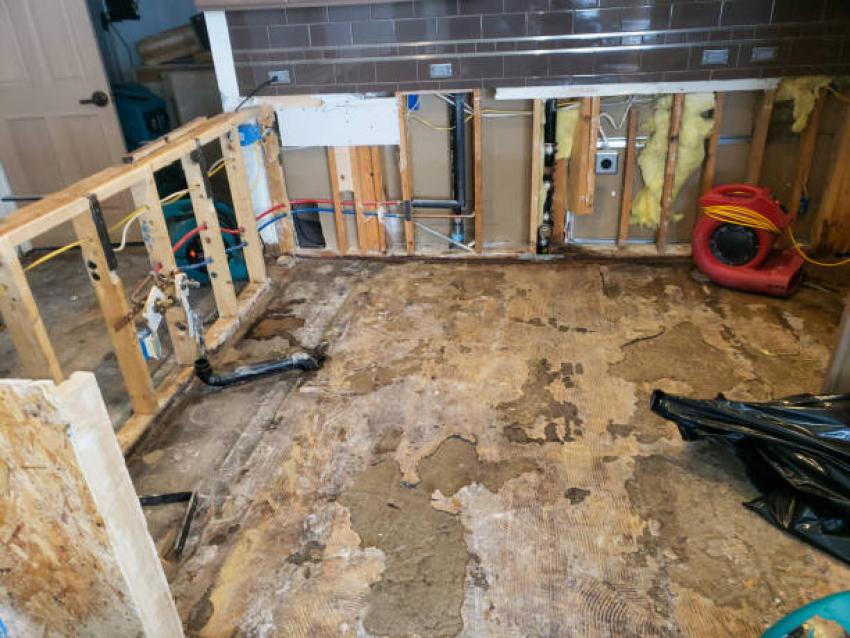
Water can ruin a home fast. One small leak can turn into soaked floors, swollen walls, and ruined furniture. And it often happens when you feel least ready. That is why quick action matters so much. The sooner you respond, the less you lose. Also, you protect your air, your comfort, and your peace of mind. When flooding happens, emergency water damage restoration York, Maine, gives homeowners a faster path to safety and drying. You need to know what to do first, how the drying process works, and how to stop damage before it spreads—especially near the coast, where storms and burst pipes can hit hard.
1) Why Emergency Water Damage Restoration York, Maine Matters More Than You Think
Water damage grows in stages. First, it soaks up what you can see. Then it creeps into what you can’t see. Because of that, every hour matters. Wet drywall can soften quickly. Wood can swell and crack. Also, water can reach wiring and raise safety risks.
A simple truth guides pros:
“Water always follows gravity, but it also spreads sideways.”
So, quick action helps you get ahead of the spread. It can lower repair needs later. It can also reduce bad smells and musty air. Emergency water damage restoration often starts with stopping the source. Then, teams remove water right away. After that, they control moisture in the air. That step helps surfaces dry faster and more evenly.
2) The First 60 Minutes: What To Do Right Away
In the first hour, your choices matter. However, safety comes first. So, slow down long enough to avoid shocks or slips. Then take simple steps that limit harm.
Here are smart moves to make:
Turn off the water source if you can.
Shut off power in wet areas, if it is safe.
Move small items to a dry spot.
Lift curtains and rugs off wet floors.
Take photos for records and insurance.
Next, open windows only if the outdoor air is dry. Otherwise, outside air can add more moisture. Also, avoid using a normal vacuum on water. It can be dangerous. If you must wait for help, start blotting and mopping to reduce puddles. That small start can save flooring edges.
3) How Pros Find Hidden Water In Walls And Floors
Water hides in places you may not notice. For example, it can sit under baseboards or inside insulation. So, pros use tools to spot it early. That saves time and prevents repeat damage.
Moisture checks
Techs use moisture meters on drywall, wood, and trim. They look for wet “hot spots.”
Thermal scans
They often use heat images to find cooler, damp zones. Then they test those areas.
Mapping the wet zone
After that, they mark where drying must focus. This keeps drying targeted.
People searching for water damage restoration York often want this exact step. It helps prevent “it looked dry” mistakes. Also, it supports better repair choices later. When hidden water stays, paint can bubble, and floors can cup. So, finding it early protects your home and your budget.
4) Drying Isn’t Just Fans: It’s Moisture Control
Many people think fans fix everything. But fans alone can push wet air around. Instead, real drying manages water in the air and in materials. So, pros balance airflow, heat, and dehumidifying.
Here is a simple view of what they aim to do:
Drying goal Why it helps What it prevents
Pull moisture from the air Air holds water and slows drying Musty smell
Move air across wet surfaces Speeds evaporation Warping
Keep humidity in a safe range Stops moisture from “stalling” Mold growth
Check moisture levels daily Confirms progress Hidden damp spots
Also, pros may remove baseboards or drill small access points. That helps dry wall cavities. Because of these steps, drying becomes faster and safer than guessing with box fans.
5) How Fast Action Helps Block Mold And Odors
Mold can start growing quickly in damp spaces. That fact scares many homeowners, and it should. However, you can lower the risk with early drying and clean-up. First, pros remove standing water. Then they dry the structure. After that, they may clean and treat affected surfaces based on the material.
One reminder stands out:
“If it smells musty, moisture is still there.”
So, do not ignore odor. It often signals hidden dampness. Also, soft items like carpet pads and upholstered furniture can trap water. Pros may recommend removing some items when they cannot dry safely. That choice feels hard, yet it can protect your air. When drying stays on track, you reduce allergy triggers and keep your home more comfortable.
6) What “Restoration” Really Includes After The Water Is Gone
Once the rooms are dry, restoration work can begin with York Maine water damage restoration services, which include repair planning, safety checks, and steps that help your home feel comfortable again.
Common next steps include:
Replacing damaged drywall sections
Repairing or resetting flooring
Treating or replacing insulation
Sealing stains so they do not bleed through paint
Checking cabinets for swelling and loose joints
Then, pros re-test moisture to confirm the structure is truly dry. Also, they watch for delayed issues, like floor cupping. Emergency water damage restoration often connects drying results to repair choices. That link matters because it avoids patchwork fixes that fail later.
7) What Can You Do To Lower The Risk Next Time
Water emergencies feel unfair, yet you can reduce the odds of a repeat. Start with small habits that pay off later. As part of emergency water damage restoration York, Maine, check supply lines on washers and dishwashers. Also, clean gutters so water drains away from your home. Then, make sure downspouts point away from your foundation.
If you have a basement, consider a water alarm. It can alert you before water spreads. In addition, store valuables off the floor. Keep a simple “water kit,” too. Include towels, gloves, trash bags, and a phone charger. In York-area homes, storms can hit fast, so keep shut-off locations labeled and easy to find. For quick help and practical preparation, turn to Garvey Construction LLC to limit damage, reduce stress, and protect your home before small problems grow.
FAQ
How soon should drying start after a leak?
Start right away. The first day is the most important.
Can I just paint over a water stain?
Not yet. First, confirm the area is fully dry, or the stain may return.
Why does my floor still smell after it “dried”?
Odor often means trapped moisture. Hidden wet spots need checking.
Should I open windows during drying?
Only if outdoor air is dry. Humid air can slow drying.