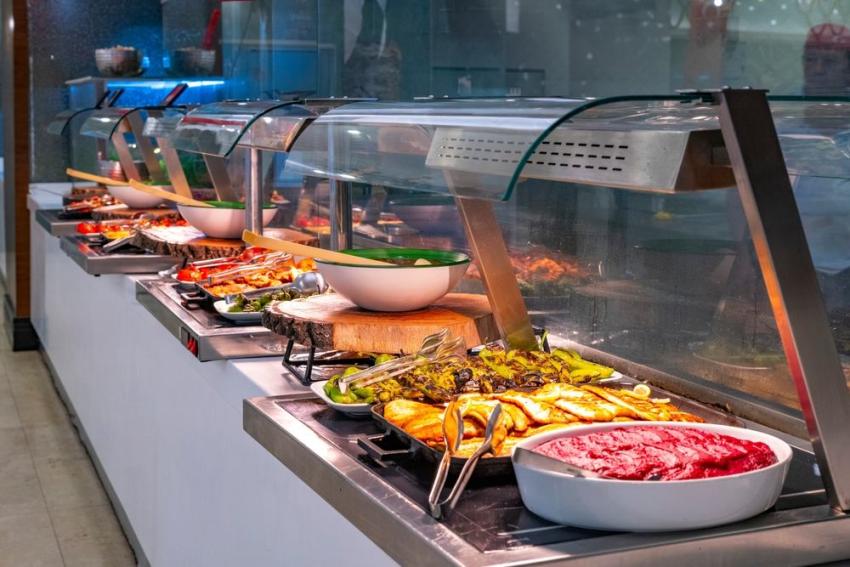
A Bain Marie is one of those workhorse pieces of equipment you barely notice until it stops performing properly. Whether you run a café in Melbourne, a takeaway in Sydney, or a catering business in Brisbane, keeping your Bain Marie clean and well-maintained directly affects food safety, energy use, and the unit's lifespan.
This guide walks you through practical, real-world steps to clean and maintain a Bain Marie in Australian conditions. It’s written for busy kitchens, so everything here is straightforward and actionable.
Why Proper Maintenance Matters?
A neglected Bain Marie doesn’t just look bad. It creates real problems:
Food safety risks from bacterial growth
Uneven heating that affects food quality
Higher power consumption
Shorter equipment lifespan
Potential compliance issues with local health regulations
In Australia, food businesses must follow Food Standards Australia New Zealand (FSANZ) guidelines. That means equipment must be clean, in good repair, and safe to use at all times.
Types of Bain Maries You’ll Find in Australia
Before maintenance, it is helpful to know what you’re operating with.
Type
Description
Common Use
Wet Bain Marie
Uses water to transfer heat
Buffets, hotels, catering
Dry Bain Marie
Uses direct heat (no water)
Fast service environments
Countertop
Compact units
Cafés, small kitchens
Mobile Bain Marie
On wheels
Events, catering
Each type has slightly different cleaning needs, especially wet vs dry units.
Daily Cleaning Routine (Non-Negotiable)
Daily cleaning is the single biggest factor in long-term performance.
Step-by-Step Daily Cleaning
Step
Action
Tip
1
Turn off and unplug
Safety first
2
Allow the unit to cool
Prevent burns
3
Remove pans and inserts
Wash separately
4
Drain water (wet units)
Use proper drainage
5
Wipe interior with mild detergent
Avoid harsh chemicals
6
Rinse with clean water
Remove residue
7
Dry thoroughly
Prevent corrosion
What to Use
Warm water
Mild food-safe detergent
Soft cloth or sponge
Non-abrasive scrub pad
Avoid steel wool. It scratches stainless steel, leading to rust.
Weekly Deep Cleaning
Daily cleaning keeps things tidy, but weekly cleaning keeps things running properly.
Focus Areas
Area
Why It Matters
Cleaning Method
Heating elements
Build-up reduces efficiency
Gentle wipe, avoid soaking
Water well
Mineral deposits accumulate
Descale if needed
Exterior surfaces
Hygiene and appearance
Stainless steel cleaner
Seals and edges
Food debris collects
Use a small brush
Dealing with Limescale (Common in Australia)
In many parts of Australia, especially in regional areas, water hardness is a real issue. That means limescale build-up is almost guaranteed in wet Bain Maries.
Signs of Limescale
White chalky residue
Slower heating
Uneven temperatures
Descaling Method
Step
Action
1
Fill with water and add food-safe descaler.
2
Let it sit (follow product instructions)
3
Drain and rinse thoroughly.
4
Repeat if needed
You can use a commercial descaler or a vinegar solution (1:1 with water), but always rinse well to avoid odours.
Dry Bain Marie Maintenance Tips
Dry units don’t have water issues, but they come with their own risks.
Key Points
Never run empty for long periods
Avoid food spills burning onto surfaces
Check for hot spots regularly
Problem
Cause
Fix
Burning smell
Food residue
Clean immediately
Uneven heating
Element wear
Inspect and replace
Overheating
Thermostat fault
Get professional service
Temperature Control and Calibration
A Bain Marie is only useful if it maintains safe temperatures.
Safe Holding Temperatures (Australia)
Hot food must stay above 60°C
Below this, bacteria can grow rapidly
Weekly Temperature Check
Step
Action
1
Use a calibrated thermometer.
2
Check multiple spots
3
Compare with the unit setting.
4
Adjust if needed
If your unit struggles to maintain temperature, it may need servicing.
Preventive Maintenance Checklist
A little attention each week prevents costly repairs later.
Weekly Checklist
Inspect power cords for damage
Check thermostat function
Look for rust or corrosion
Ensure drainage works properly
Confirm even heating
Monthly Checklist
Deep descale (if needed)
Inspect heating elements
Tighten loose components
Review overall performance
Common Mistakes to Avoid
These are the habits that shorten your Bain Marie’s lifespan.
Mistake
Why It’s a Problem
Using harsh chemicals
Damages stainless steel
Not drying after cleaning.
Leads to rust
Ignoring limescale
Reduces efficiency
Overfilling water
Can damage components
Running dry (wet units)
Burnt-out elements
Energy Efficiency Tips
Energy costs in Australia aren’t cheap, so efficiency matters.
Simple Ways to Save Power
Preheat only when needed
Keep lids on pans
Avoid frequent opening
Use correct water levels
Turn off during quiet periods
Action
Impact
Keeping lids on
Reduces heat loss
Proper water level
Improves heat transfer
Regular cleaning
Maintains efficiency
When to Call a Professional?
Some issues shouldn’t be handled in-house.
Call a Technician If:
Unit won’t heat
Temperature fluctuates wildly
Electrical issues appear
Water leaks internally
In Australia, always use a licensed technician for electrical repairs.
Hygiene and Compliance in Australia
Food businesses must meet strict hygiene standards.
Key Requirements
Equipment must be easy to clean
Surfaces must be non-porous
Units must be kept in good repair
Failure to maintain your Bain Marie properly can lead to:
Fines
Failed inspections
Temporary closure
Storage and Downtime Care
If you’re not using your Bain Marie for a while (as is common in seasonal businesses), proper storage is essential.
Before Storing
Step
Action
1
Deep clean thoroughly
2
Dry completely
3
Remove all water
4
Cover to prevent dust.
Store in a dry area to avoid corrosion.
Choosing the Right Cleaning Products (Australia)
Look for products that are:
Food-safe
Non-corrosive
Suitable for stainless steel
Avoid generic industrial cleaners unless they’re approved for food equipment.
Quick Reference Maintenance Table
Task
Frequency
Time Required
Basic cleaning
Daily
10–15 mins
Deep cleaning
Weekly
30–45 mins
Descaling
Monthly (or as needed)
30 mins
Full inspection
Monthly
20 mins
A Bain Marie doesn’t need complicated care, but it does need consistent attention. Daily cleaning, regular descaling, and basic checks go a long way in keeping it reliable.
In Australian kitchens, where compliance and efficiency matter, proper maintenance isn’t optional. It protects your food, your customers, and your bottom line. If you build these routines into your workflow, your Bain Marie will stay dependable for years without unexpected breakdowns or costly repairs.